
Is Chamomile Oil Safety Safe? Uses, Benefits, and Precautions
Introduction
Chamomile oil, derived from the flowers of the chamomile plant (Matricaria chamomilla or Chamaemelum nobile), has been treasured for centuries for its therapeutic properties and calming aroma. This essential oil is a staple in the realm of aromatherapy and natural wellness. However, as with all essential oils, understanding the safety, benefits, and appropriate uses of chamomile oil is crucial for maximizing its advantages while minimizing potential risks. This article aims to provide a comprehensive overview of chamomile oil, focusing on its safety, benefits, common applications, and necessary precautions.
What Is Chamomile Oil Safety?
Chamomile oil is extracted through steam distillation from the flowers of the chamomile plant. Its soothing fragrance and versatile properties have made it popular in various applications, from skincare to relaxation techniques. While chamomile oil is generally regarded as safe for many users, certain precautions should be observed, particularly regarding dilution, potential allergic reactions, and specific health conditions.
The safety of chamomile oil primarily revolves around the following factors:
- Quality of the Oil: The purity and quality of the chamomile oil can significantly affect its safety. Essential oils should ideally be sourced from reputable suppliers who adhere to safety standards.
- Dilution: Essential oils are highly concentrated substances, and direct application to the skin can lead to irritation or allergic reactions. Proper dilution with a carrier oil is essential before topical application.
- Individual Sensitivities: Some individuals may have allergies or sensitivities to chamomile, particularly those with allergies to plants in the Asteraceae family (e.g., ragweed, marigolds, daisies).
- Anti-inflammatory: Chamomile oil is known for its anti-inflammatory properties, making it beneficial for soothing skin irritations and reducing redness.
- Calming and Relaxing: The oil is often used for its tranquilizing effects. Its aroma is believed to promote relaxation and alleviate stress and anxiety.
- Antioxidant: Chamomile contains antioxidants, which can help protect cells from oxidative stress and support overall health.
- Antimicrobial: Some studies suggest that chamomile oil may possess antimicrobial properties, making it useful in promoting skin health.
- Digestive Aid: While chamomile oil is not commonly ingested, chamomile has traditionally been used to support digestive health.
- Aromatherapy: Frequently used in diffusers, chamomile oil can create a calming environment, making it suitable for relaxation, meditation, or sleep enhancement.
- Topical Applications: When diluted with a carrier oil, chamomile oil can be applied to the skin to soothe minor irritations, sunburns, or dry patches.
- Bath Products: Chamomile oil can be added to bath products, such as bath salts or oils, to enhance relaxation and promote a sense of well-being.
- Massage: It can be blended with other essential oils or carrier oils for massage, providing both physical and emotional benefits.
- Diffusion: Adding a few drops of chamomile oil to a diffuser can help purify the air while imparting a peaceful fragrance. This method is particularly effective in bedrooms or relaxation spaces.
- Inhalation: Inhaling chamomile oil directly from the bottle or a cotton ball can provide immediate calming effects. This technique may be useful during moments of heightened stress or anxiety.
- Blending: Chamomile oil blends well with other essential oils, such as lavender or bergamot, to enhance its calming effects. Experimenting with different combinations can create personalized blends for relaxation.
- Allergic Reactions: Individuals with known allergies to chamomile or related plants should avoid using chamomile oil. A patch test on a small area of skin can help determine sensitivity before broader use.
- Pregnancy and Breastfeeding: Pregnant or breastfeeding individuals should consult with a healthcare provider before using chamomile oil, as its effects during these periods are not well-studied.
- Children: Chamomile oil can be used with children, but it is essential to dilute it properly and consult with a healthcare professional for age-appropriate guidelines.
- Medication Interactions: Chamomile may interact with certain medications, such as blood thinners or sedatives. It is advisable for individuals on medication to consult their healthcare provider before using chamomile oil.
- Dilution Guidelines: When applying chamomile oil topically, a general guideline is to dilute it to a concentration of 1-2% in a carrier oil. This means adding about 1-2 drops of chamomile oil to a teaspoon of carrier oil.
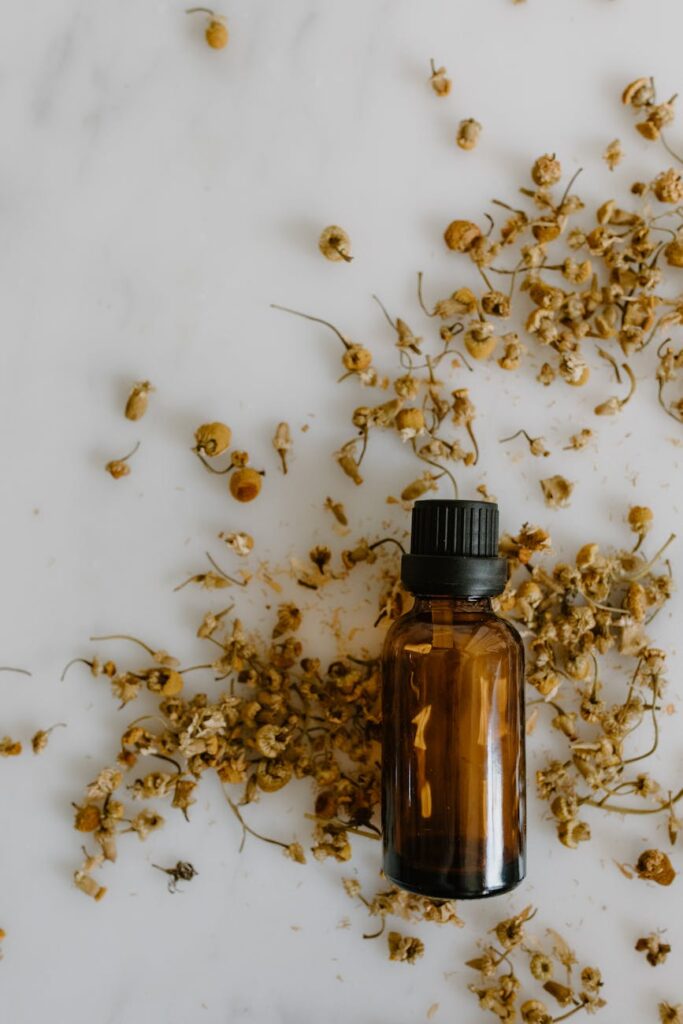
- Dark Glass Bottles: Store chamomile oil in dark glass bottles to protect it from light exposure, which can degrade the oil.
- Cool, Dry Place: Keep the oil in a cool, dry place, away from direct sunlight and heat sources. High temperatures can affect the quality of the oil.
- Shelf Life: Chamomile oil has a shelf life of approximately 1-2 years when stored properly. It’s advisable to check the oil for any changes in color, aroma, or consistency before use.
Key Benefits and Properties
Chamomile oil is celebrated for its numerous benefits, which can be attributed to its unique chemical composition. Some of its key properties include:
Common Uses
Chamomile oil is versatile and can be used in various ways:
Aromatherapy Applications
In the realm of aromatherapy, chamomile oil is often used to create a calming atmosphere. Its soothing properties make it a popular choice for individuals dealing with stress, anxiety, or sleep disturbances. Here are some common aromatherapy applications:
Safety Considerations
While chamomile oil is generally considered safe for most individuals, certain precautions should be taken to ensure responsible use:
Storage and Shelf Life
Proper storage of chamomile oil is essential to maintain its potency and safety. Here are some tips for effective storage:
Frequently Asked Questions
1. Can chamomile oil be ingested?
Chamomile oil is primarily used for topical and aromatic applications. Ingesting essential oils should be done with caution and under the guidance of a healthcare professional.
2. Is chamomile oil safe for sensitive skin?
Chamomile oil can be beneficial for sensitive skin when properly diluted. However, a patch test is recommended to check for any adverse reactions.
3. Can I use chamomile oil for anxiety?
Chamomile oil is often used in aromatherapy to promote relaxation and reduce anxiety. However, individual responses may vary, and it may be beneficial to combine it with other relaxation techniques.
4. How can I blend chamomile oil with other essential oils?
Chamomile oil blends well with calming oils such as lavender, bergamot, and ylang-ylang. A general guideline is to use a maximum of 3-5 essential oils in a blend, ensuring compatibility in properties and aromas.
5. Is there anyone who should avoid using chamomile oil?
Individuals with allergies to chamomile or related plants, pregnant or breastfeeding individuals, and those on specific medications should consult a healthcare provider before using chamomile oil.
Conclusion
Chamomile oil is a valuable addition to the world of essential oils, offering a range of benefits from relaxation to skin soothing. By understanding its properties, common uses, and safety considerations, individuals can use chamomile oil effectively and responsibly. Always prioritize quality sourcing, proper dilution, and personal sensitivities to ensure a safe and enjoyable experience with this remarkable essential oil.