
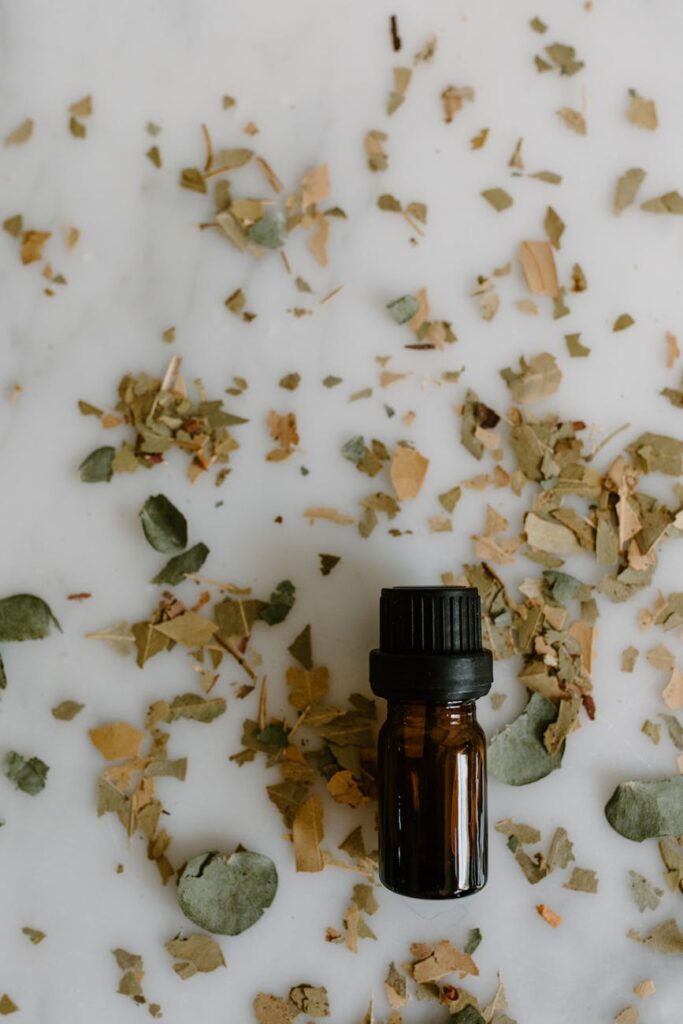
Is Cinnamon Leaf Oil Safe? Uses, Benefits and Precautions
Introduction
Cinnamon leaf oil, derived from the leaves of the Cinnamomum verum tree, has been utilized for centuries in traditional medicine, culinary practices, and perfumery. Known for its warm, spicy aroma, this essential oil is celebrated not only for its fragrance but also for its potential therapeutic properties. This article aims to provide an in-depth understanding of cinnamon leaf oil, including its benefits, common applications, safety considerations, and storage tips.
What Is Cinnamon Leaf Oil?
Cinnamon leaf oil is extracted from the leaves of the Cinnamomum verum tree, commonly referred to as true cinnamon or Ceylon cinnamon. The extraction process typically involves steam distillation, a method that preserves the oil’s aromatic compounds. Unlike cinnamon bark oil, which is derived from the inner bark of the tree, cinnamon leaf oil possesses a different chemical composition, resulting in unique properties and uses.
The primary constituents of cinnamon leaf oil include eugenol, cinnamaldehyde, and various other phenolic compounds. These components contribute to its distinctive scent and therapeutic potential.
Key Benefits and Properties
Cinnamon leaf oil is renowned for its various beneficial properties:
1. Antimicrobial: Research suggests that cinnamon leaf oil may exhibit antimicrobial activity, making it a popular choice for natural cleaning products and air purifiers.
2. Anti-Inflammatory: Some studies indicate that compounds found in cinnamon leaf oil may help reduce inflammation, which can be beneficial for various applications.
3. Antioxidant: The oil is rich in antioxidants, which can help protect cells from oxidative stress and free radical damage.
4. Mood Enhancer: The warm and spicy aroma of cinnamon leaf oil is thought to promote feelings of comfort and well-being, making it a popular choice in aromatherapy.
5. Digestive Support: Traditionally, cinnamon leaf oil has been associated with digestive health, though further research is needed to substantiate these claims.
Common Uses
Cinnamon leaf oil has a variety of applications across different domains:
- Aromatherapy: Its rich aroma is commonly used in diffusers to create a cozy atmosphere.
- Cosmetics: With its pleasant scent and potential skin benefits, it is often incorporated into skincare products.
- Household Cleaners: Due to its antimicrobial properties, cinnamon leaf oil can be added to homemade cleaning solutions.
- Culinary Uses: Although less common than cinnamon bark oil, some culinary applications incorporate cinnamon leaf oil for flavoring.
- Massage Oils: When diluted with a carrier oil, it can be used in massages for its potential soothing effects.
- Diffusion: Adding a few drops of cinnamon leaf oil to a diffuser can create a warm and inviting ambiance, ideal for relaxation or social gatherings.
- Inhalation: Inhaling the aroma directly from the bottle or a tissue can provide a quick mood boost.
- Blending: Cinnamon leaf oil blends well with other essential oils, such as clove, orange, or cedarwood, enhancing its aromatic profile and therapeutic effects.
- Cool, Dark Place: Store the oil in a cool, dark environment to protect it from heat and light, which can degrade its quality.
- Tightly Sealed: Ensure that the bottle is tightly sealed to prevent oxidation and evaporation.
- Use Dark Glass Bottles: Dark glass containers can help protect the oil from light exposure, prolonging its shelf life.
- Expiration: The shelf life of cinnamon leaf oil typically ranges from 1 to 3 years, depending on storage conditions. It is advisable to check for any changes in aroma, color, or consistency before use.
Aromatherapy Applications
In the realm of aromatherapy, cinnamon leaf oil is frequently employed for its uplifting and comforting properties. It is often used in the following ways:
Safety Considerations
While cinnamon leaf oil is generally regarded as safe for most individuals when used appropriately, certain precautions should be observed:
1. Dilution: Essential oils are highly concentrated and should always be diluted with a carrier oil before topical application to minimize the risk of skin irritation.
2. Patch Test: Conducting a patch test prior to widespread use is recommended. Apply a diluted drop on a small area of skin and monitor for any adverse reactions over 24 hours.
3. Pregnancy and Nursing: Pregnant or nursing individuals should consult a healthcare professional before using cinnamon leaf oil, as the effects during these periods are not well-studied.
4. Allergic Reactions: Individuals with allergies to cinnamon or related spices should avoid using cinnamon leaf oil.
5. Not for Ingestion: Generally, cinnamon leaf oil is not recommended for internal use unless under the supervision of a qualified healthcare provider.
6. Children and Pets: Caution should be exercised when using cinnamon leaf oil around children and pets, as they may have different sensitivities to essential oils.
Storage and Shelf Life
Proper storage is essential to maintain the quality of cinnamon leaf oil. Here are some tips:
Frequently Asked Questions
1. What is the difference between cinnamon leaf oil and cinnamon bark oil?
Cinnamon leaf oil is extracted from the leaves of the Cinnamomum verum tree, while cinnamon bark oil comes from the inner bark. They have different chemical compositions, which results in variations in aroma and properties.
2. Can I use cinnamon leaf oil in cooking?
While some people may use cinnamon leaf oil for culinary purposes, it is less common than cinnamon bark oil. If considering its use in food, consult with a culinary expert or health professional.
3. Is cinnamon leaf oil safe for skin?
When properly diluted with a carrier oil, cinnamon leaf oil can be safe for topical use. However, a patch test is recommended to rule out any allergic reactions.
4. How can I incorporate cinnamon leaf oil into my home?
Cinnamon leaf oil can be added to diffusers, homemade cleaning solutions, or personal care products to enjoy its aromatic and potential therapeutic benefits.
5. Can cinnamon leaf oil be used in aromatherapy for stress relief?
Yes, the warm and comforting scent of cinnamon leaf oil is often used in aromatherapy to create a calming atmosphere and promote relaxation.
Conclusion
Cinnamon leaf oil offers a variety of potential benefits and applications, making it a valuable addition to the world of essential oils. While it possesses many appealing properties, it is essential to use this oil responsibly and with caution. By understanding its uses, benefits, and safety considerations, individuals can make informed decisions on how to incorporate cinnamon leaf oil into their daily lives. Always remember to consult with a qualified professional for personalized guidance and recommendations.