
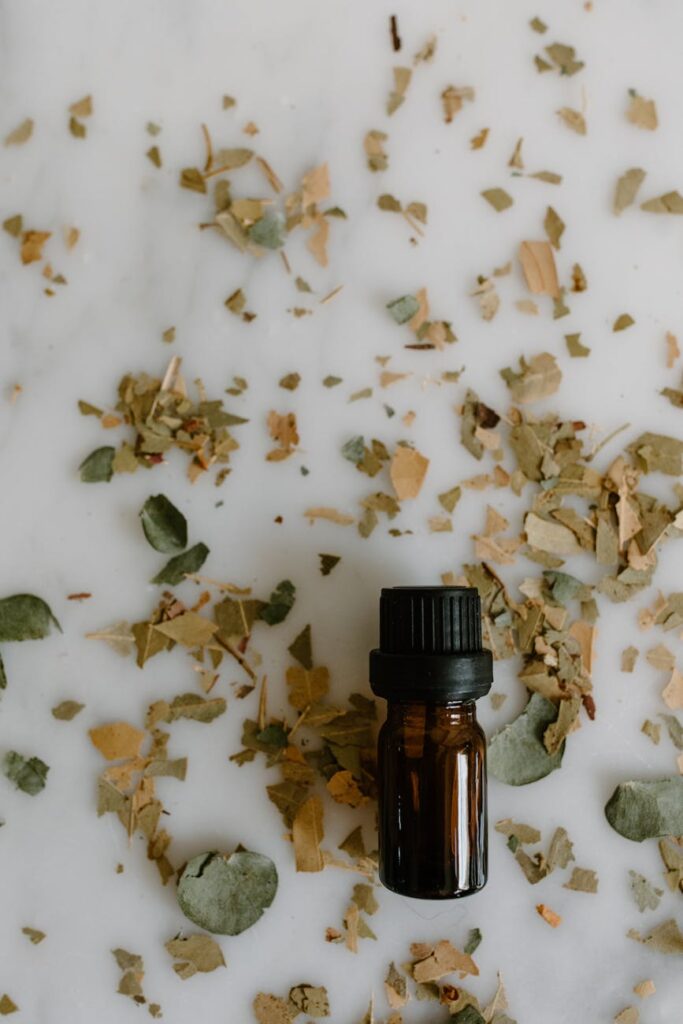
Is Cinnamon Oil Safe? Uses, Benefits, and Precautions
Introduction
Cinnamon oil, derived from the bark or leaves of the cinnamon tree (Cinnamomum verum or Cinnamomum cassia), has been cherished for centuries for its aromatic and therapeutic properties. With a rich history in culinary and traditional medicine, cinnamon oil has gained popularity in modern aromatherapy and natural wellness practices. However, as with any essential oil, understanding its safety, potential benefits, and appropriate uses is crucial for anyone interested in incorporating it into their routine.
What Is Cinnamon Oil?
Cinnamon oil typically comes in two varieties: Ceylon cinnamon oil, extracted from the bark of Cinnamomum verum, and cassia cinnamon oil, derived from Cinnamomum cassia. The extraction process often involves steam distillation or cold pressing, allowing the volatile compounds to be captured effectively. Ceylon cinnamon oil is often preferred for its sweeter, more delicate scent, while cassia cinnamon oil is more robust and warming.
The primary active compounds in cinnamon oil include cinnamaldehyde, eugenol, and linalool, each contributing to its distinctive fragrance and potential benefits.
Key Benefits and Properties
Cinnamon oil is known for its rich array of properties, which include:
- Antimicrobial Activity: Cinnamon oil possesses natural antibacterial and antifungal properties, making it useful in various applications, including household cleaning products and personal care items.
- Anti-inflammatory Effects: The oil may help reduce inflammation, contributing to its potential use in soothing discomfort associated with minor aches and pains.
- Antioxidant Properties: Rich in antioxidants, cinnamon oil can help combat oxidative stress, which is linked to various chronic conditions.
- Mood Enhancement: The warm, spicy aroma of cinnamon oil is often associated with comfort and warmth, which may help uplift mood and reduce feelings of anxiety.
- Digestive Support: Traditionally, cinnamon has been used to aid digestion and may help alleviate digestive discomfort.
- Aromatherapy: Used in diffusers, cinnamon oil can create a warm and inviting atmosphere, promoting relaxation and emotional balance.
- Personal Care Products: Due to its antimicrobial properties, cinnamon oil is often added to skin care products, soaps, and shampoos.
- Household Cleaners: Its pleasant scent and antibacterial properties make it a popular ingredient in natural cleaning solutions.
- Flavoring Agent: In culinary applications, cinnamon oil can enhance flavor in baked goods, beverages, and savory dishes.
- Massage Oils: When diluted with a carrier oil, it may be used in massage blends to promote relaxation and relieve tension.
- Enhance Concentration: The invigorating aroma may help improve focus and mental clarity, making it beneficial in study or work environments.
- Promote Relaxation: While it has stimulating properties, the sweet and warm scent of cinnamon can also create a calming atmosphere, helping to alleviate stress and anxiety.
- Boost Immunity: Some practitioners use cinnamon oil in blends aimed at supporting overall health and wellness, particularly during cold and flu seasons.
- Create a Welcoming Environment: Its rich aroma can enhance social interactions, making it a favored choice for gatherings and family events.
- Dilution: Always dilute cinnamon oil with a carrier oil, such as jojoba, coconut, or almond oil, before applying it to the skin. A common ratio is 1-2 drops of essential oil per teaspoon of carrier oil.
- Patch Test: Conduct a patch test before widespread use to check for any allergic reactions or sensitivities. Apply a diluted drop to a small area of skin and wait 24 hours.
- Pregnancy and Children: Pregnant or nursing individuals and children should consult a healthcare professional before using cinnamon oil.
- Internal Use: While some sources suggest cinnamon oil can be ingested, it is vital to seek guidance from a qualified aromatherapist or healthcare provider before doing so, as internal use can pose risks.
- Sensitive Skin: Individuals with sensitive skin or pre-existing conditions should exercise caution and consult a professional if unsure about using cinnamon oil.
- Cool, Dark Place: Store cinnamon oil in a cool, dark place away from direct sunlight to prevent degradation.
- Tightly Sealed Containers: Keep the oil in tightly sealed glass or amber bottles to minimize exposure to air.
- Shelf Life: When stored correctly, cinnamon oil typically has a shelf life of 1-2 years. However, it’s advisable to check for any changes in scent or consistency before use.
Common Uses
Cinnamon oil is versatile and can be used in various ways, including:
Aromatherapy Applications
In aromatherapy, cinnamon oil is known for its warming and stimulating properties. It is believed to:
Safety Considerations
While cinnamon oil offers many potential benefits, it is essential to use it safely:
Storage and Shelf Life
Proper storage is essential to maintain the quality and efficacy of cinnamon oil:
Frequently Asked Questions
1. Can I use cinnamon oil on my skin?
Yes, but it should be well diluted with a carrier oil to avoid skin irritation. Always perform a patch test first.
2. Is cinnamon oil safe for children?
Caution is advised when using cinnamon oil on children. Consult with a healthcare professional or qualified aromatherapist for guidance.
3. Can cinnamon oil be ingested?
While some practitioners advocate for the internal use of cinnamon oil, it is crucial to seek professional advice before doing so, as it can potentially cause adverse effects.
4. How can I use cinnamon oil in a diffuser?
Add 3-5 drops of cinnamon oil to a diffuser filled with water and follow the manufacturer’s instructions for operation. This can help create a cozy atmosphere.
5. Does cinnamon oil have any side effects?
Cinnamon oil can cause skin irritation or allergic reactions in some individuals. Always conduct a patch test and dilute appropriately.
6. Can I mix cinnamon oil with other essential oils?
Yes, cinnamon oil blends well with various essential oils, including citrus oils like orange and lemon, as well as grounding oils like cedarwood and sandalwood.
7. Is there a difference between Ceylon and cassia cinnamon oil?
Yes, Ceylon cinnamon oil is derived from Cinnamomum verum and is considered to be of higher quality, with a sweeter aroma, while cassia cinnamon oil, from Cinnamomum cassia, has a stronger, spicier scent.
Conclusion
Cinnamon oil is a versatile and aromatic essential oil with a range of potential benefits and applications. However, it is essential to approach its use with caution, adhering to safety guidelines and recommendations. When used responsibly, cinnamon oil can enhance your aromatherapy practices, personal care routines, and even culinary creations, providing warmth and comfort for the mind and body. As always, educating yourself about any essential oil you plan to use is the best way to ensure a safe and rewarding experience.