
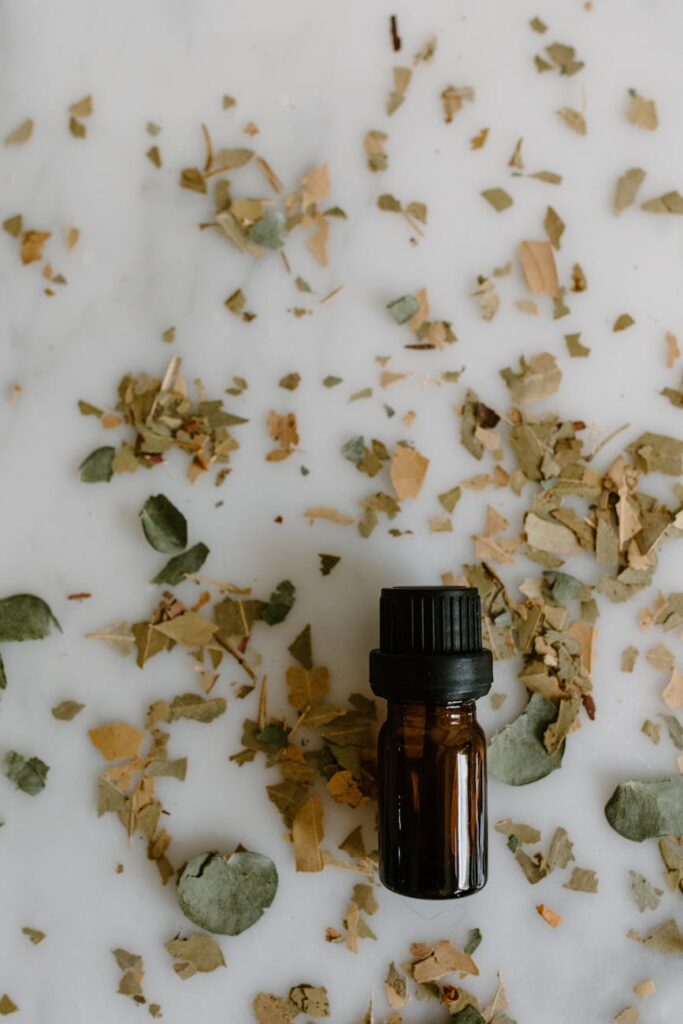
Is Cinnamon Oil Safe? Uses, Benefits and Precautions
Introduction
Cinnamon oil, derived from the bark or leaves of the cinnamon tree (Cinnamomum verum or Cinnamomum cassia), is a popular essential oil known for its warm, spicy aroma and a wide range of applications. In recent years, there has been growing interest in the safety and efficacy of cinnamon oil, particularly in the realms of aromatherapy, personal care, and culinary uses. This article aims to provide a comprehensive overview of cinnamon oil, including its benefits, common uses, and important safety considerations.
What Is Cinnamon Oil?
Cinnamon oil is extracted through steam distillation or cold pressing from the bark or leaves of cinnamon trees. The two primary types of cinnamon oil are:
1. Ceylon Cinnamon Oil (Cinnamomum verum): Often referred to as “true cinnamon,” this type is generally considered to have a milder flavor and aroma. It is typically more expensive and is favored for therapeutic uses.
2. Cassia Cinnamon Oil (Cinnamomum cassia): This oil is more commonly found in commercial products and has a stronger, more pungent scent. It is generally less expensive but may contain higher levels of certain compounds that can be irritating.
Cinnamon oil is rich in various chemical constituents, including cinnamaldehyde, eugenol, and linalool, which contribute to its distinctive aroma and potential therapeutic properties.
Key Benefits and Properties
Cinnamon oil is celebrated for its numerous benefits, which include:
- Antioxidant Properties: The compounds found in cinnamon oil are known to have antioxidant effects, helping to neutralize free radicals and protect cells from oxidative stress.
- Anti-inflammatory Effects: Some studies suggest that cinnamon oil may help reduce inflammation, which can be beneficial for overall health.
- Antimicrobial Activity: Cinnamon oil has been studied for its potential to inhibit the growth of certain bacteria, fungi, and viruses, making it a popular choice for natural disinfectants.
- Digestive Support: Traditionally, cinnamon has been used to aid digestion and alleviate discomfort, although scientific evidence is still emerging.
- Mood Enhancement: The warm, spicy aroma of cinnamon oil is often associated with feelings of comfort and warmth, making it a popular choice in aromatherapy for mood enhancement.
- Culinary Uses: It is often added to baked goods, beverages, and savory dishes for its distinct flavor profile.
- Personal Care Products: Cinnamon oil is frequently included in cosmetics and skincare products for its fragrance and potential skin benefits.
- Household Cleaners: Due to its antimicrobial properties, cinnamon oil is sometimes incorporated into natural cleaning products.
- Insect Repellent: The scent of cinnamon oil can be a deterrent to certain pests, making it a popular ingredient in natural insect repellents.
- Stress Relief: The aroma of cinnamon oil may help alleviate stress and anxiety, promoting a sense of calm and relaxation.
- Increased Focus: Some users report that the stimulating scent of cinnamon can enhance concentration and mental clarity.
- Energy Booster: The invigorating properties of cinnamon oil can promote a sense of vitality, making it a popular choice for energizing blends.
- Skin Irritation: Cinnamon oil can be a skin irritant for some individuals, especially when used undiluted. Always perform a patch test before applying it to larger skin areas.
- Pregnancy and Nursing: Pregnant or nursing individuals should consult with a qualified healthcare provider before using cinnamon oil, as its effects during these periods are not well-studied.
- Allergic Reactions: Some individuals may experience allergic reactions to cinnamon oil. Symptoms can include rash, itching, or respiratory issues. If any adverse reactions occur, discontinue use immediately.
- Ingestion: While cinnamon is often used in cooking, concentrated essential oils should not be ingested without professional guidance. High concentrations can be toxic.
- Drug Interactions: Cinnamon oil may interact with certain medications, particularly anticoagulants and medications for diabetes. Always consult a healthcare provider if you are taking medications.
- Storage Conditions: Store in a cool, dark place away from direct sunlight. Essential oils are sensitive to heat and light, which can degrade their quality.
- Containers: Use dark glass containers to help protect the oil from light exposure.
- Shelf Life: The shelf life of cinnamon oil is typically 1-3 years, depending on storage conditions and the quality of the oil. Always check for any changes in aroma, color, or consistency before use.
Common Uses
Cinnamon oil can be utilized in various ways, including:
Aromatherapy Applications
In aromatherapy, cinnamon oil is valued for its warm, comforting scent and is believed to have the following effects:
To use cinnamon oil in aromatherapy, it can be added to a diffuser, inhaled directly from the bottle, or blended with carrier oils for topical application.
Safety Considerations
Despite its numerous benefits, it is essential to approach cinnamon oil with caution. Here are some important safety considerations:
Storage and Shelf Life
To maintain the quality and efficacy of cinnamon oil, proper storage is essential:
Frequently Asked Questions
1. Can cinnamon oil be used for cooking?
Cinnamon oil can be used in cooking, but it is much more concentrated than ground cinnamon or cinnamon sticks. Use it sparingly to avoid overpowering flavors.
2. Is cinnamon oil safe for children?
Cinnamon oil can be irritating for young children, and it’s advisable to consult with a healthcare provider before using it on or around children.
3. Can I use cinnamon oil in my diffuser?
Yes, cinnamon oil can be used in a diffuser, but it’s best to blend it with other essential oils or carrier oils to enhance the aroma and mitigate any potential irritation.
4. How can I tell if my cinnamon oil has gone bad?
Signs that cinnamon oil may have expired include a change in aroma, color, or consistency. If in doubt, it’s best to discard the oil.
5. Is there a difference between cinnamon oil and cinnamon bark oil?
Yes, cinnamon bark oil is derived from the bark of the cinnamon tree and has a different chemical profile compared to cinnamon leaf oil, which is extracted from the leaves. The bark oil is typically more potent and aromatic.
Conclusion
Cinnamon oil is a versatile essential oil with a rich history of use in culinary, therapeutic, and personal care applications. While it offers numerous benefits, it is essential to approach its use with caution due to potential skin irritations, allergies, and interactions with medications. By understanding the properties, uses, and safety considerations associated with cinnamon oil, individuals can make informed choices that align with their health and wellness goals. Always consult a qualified professional if you have specific health concerns or questions regarding the use of essential oils.