
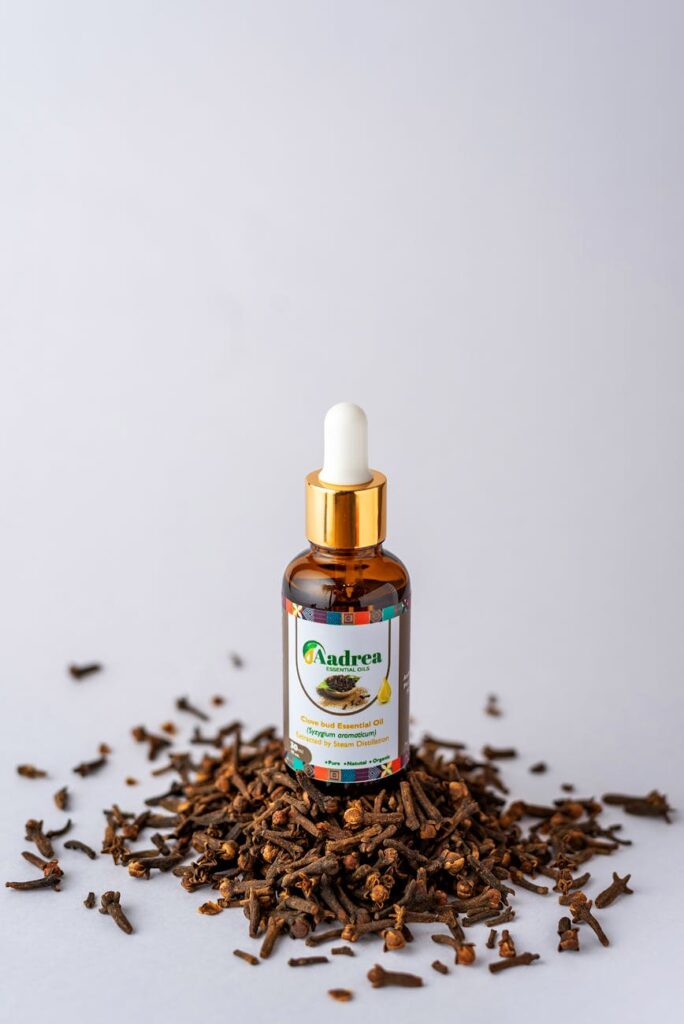
Is Clove Oil Safe? Uses, Benefits, and Precautions
Introduction
Clove oil, derived from the buds of the clove tree (Syzygium aromaticum), has been treasured for centuries for its unique aroma and numerous applications. Its warm, spicy scent and rich flavor make it a popular choice in both culinary and therapeutic contexts. However, like all essential oils, it is essential to understand its properties, potential benefits, and safety considerations before use. This article will explore what clove oil is, its key benefits, common uses, and necessary precautions to ensure safe application.
What Is Clove Oil?
Clove oil is an essential oil extracted from the dried flower buds, leaves, and stems of the clove tree, primarily found in tropical regions such as Indonesia and Madagascar. The extraction method commonly used is steam distillation, which preserves the oil’s potent properties. Clove oil is known for its high eugenol content, which contributes to its characteristic aroma and therapeutic effects.
Key Benefits and Properties
1. Antimicrobial Properties: Clove oil exhibits significant antimicrobial activity due to its eugenol content. This makes it a popular choice for natural cleaning products and personal care items.
2. Anti-inflammatory Effects: The oil is known for its anti-inflammatory properties, which can help alleviate minor irritations and discomfort when applied topically.
3. Antioxidant Activity: Clove oil contains compounds that are effective antioxidants, helping to protect cellular integrity from oxidative stress.
4. Pain Relief: Traditionally, clove oil has been used to provide relief from dental pain and headaches. Its analgesic properties can give temporary relief from discomfort.
5. Digestive Support: In aromatherapy and culinary practices, clove oil is believed to aid digestion and reduce bloating.
Common Uses
Clove oil’s versatility lends itself to various applications, including:
- Dental Care: Due to its analgesic and antimicrobial properties, clove oil is often used in dental products, such as mouthwashes and toothpaste, to promote oral health.
- Skin Care: Clove oil is found in some skincare formulations for its antibacterial properties and its ability to soothe minor skin irritations.
- Flavoring: In culinary applications, clove oil is used sparingly to impart flavor to dishes, particularly in spicy cuisines and baked goods.
- Household Cleaning: Its antimicrobial properties make clove oil a natural choice for homemade cleaning solutions.
- Relaxation and Stress Relief: When diffused, clove oil can help promote relaxation and reduce stress levels, making it a popular choice for meditation and wellness practices.
- Enhancing Focus: The invigorating scent of clove oil may help improve concentration and mental clarity, making it useful during study or work sessions.
- Seasonal Blends: Clove oil is a favored ingredient in autumn and winter blends, often combined with other spices like cinnamon and nutmeg to evoke a warm, festive ambiance.
- Cool, Dark Place: Store clove oil in a cool, dark location, away from direct sunlight and heat sources, which can degrade the oil.
- Tightly Sealed Containers: Ensure that the container is tightly sealed to prevent oxidation and contamination. Amber or cobalt glass bottles are ideal for preserving the oil’s quality.
- Shelf Life: When stored correctly, clove oil can last for about 2 to 3 years. Regularly check for changes in color or scent, which may indicate that the oil has expired.
Aromatherapy Applications
In aromatherapy, clove oil is appreciated for its warm, comforting scent. It is often used in diffusers and oil blends to create a cozy atmosphere. Some common aromatherapy applications include:
Safety Considerations
While clove oil offers numerous benefits, it is vital to consider safety before use:
1. Skin Sensitivity: Clove oil is potent and may cause skin irritation or allergic reactions in some individuals. It is advisable to perform a patch test before applying it topically. Dilution with a carrier oil, such as coconut or jojoba oil, is recommended.
2. Ingestion Caution: Although clove oil can be used as a flavoring agent, it should be used sparingly. High doses can be toxic and lead to adverse effects. Always consult with a qualified professional before ingesting essential oils.
3. Pregnancy and Nursing: Pregnant or nursing individuals should exercise caution and consult a healthcare provider before using clove oil, as its effects during these periods are not fully understood.
4. Interactions with Medications: Clove oil may interact with certain medications, particularly anticoagulants and antiplatelet drugs, due to its blood-thinning properties. Individuals on such medications should seek guidance from a healthcare professional.
5. Children and Pets: Keep clove oil out of reach of children and pets. Its concentrated nature can be harmful if ingested or improperly used.
Storage and Shelf Life
To maintain the integrity and potency of clove oil, proper storage is essential. Here are some guidelines:
Frequently Asked Questions
1. Can clove oil be used in cooking?
Yes, clove oil can be used in cooking, but it should be done sparingly due to its potent flavor. It is best to dilute it in a carrier ingredient, such as honey or oil, before adding it to dishes.
2. Is clove oil safe for children?
Clove oil should be used with caution around children. Always consult a healthcare provider for appropriate usage and dilution guidelines for young ones.
3. How can I use clove oil for dental pain?
For dental pain, clove oil can be applied topically to the affected area using a cotton swab, but it should be diluted with a carrier oil to minimize irritation.
4. Can clove oil help with respiratory issues?
Clove oil is sometimes included in blends aimed at respiratory support, but it should not replace medical treatment. Always consult a healthcare professional for respiratory concerns.
5. How can I incorporate clove oil into my skincare routine?
To use clove oil in skincare, dilute it with a carrier oil and perform a patch test before applying it to larger areas. It can help with minor irritations but should be used cautiously.
Conclusion
Clove oil is a fascinating essential oil with a rich history of use in various applications, from culinary to therapeutic. Its antimicrobial, anti-inflammatory, and antioxidant properties make it a valuable addition to natural health practices and aromatherapy. However, it is crucial to approach its use with caution, paying close attention to safety considerations. By understanding clove oil’s benefits and limitations, individuals can safely enjoy its rich aroma and potential advantages while minimizing risks. Always consult with a qualified professional for personalized guidance on essential oil usage tailored to individual needs and circumstances.