
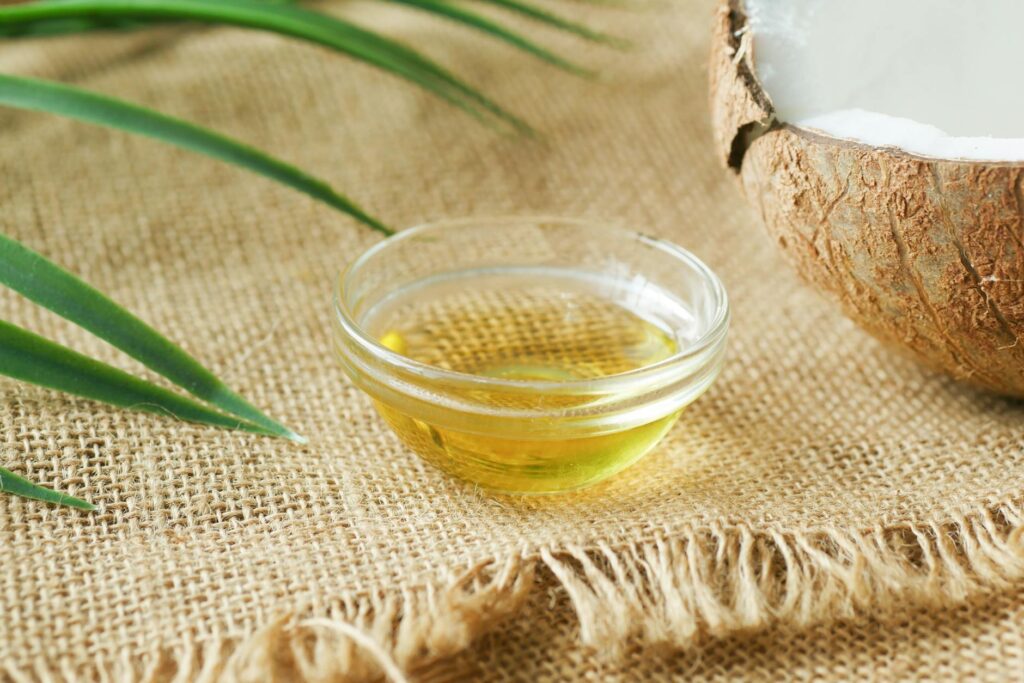
Is Coconut Fractionated Oil Safe? Uses, Benefits and Precautions
Introduction
Coconut fractionated oil, often simply referred to as fractionated coconut oil (FCO), has gained popularity in both the beauty and wellness industries. Known for its versatility, this oil is a staple ingredient in many products, from skincare formulations to massage oils. Unlike traditional coconut oil, fractionated coconut oil remains liquid at room temperature, making it an appealing option for various applications. This article explores what fractionated coconut oil is, its benefits, common uses, and important safety considerations.
What Is Coconut Fractionated Oil?
Coconut fractionated oil is derived from the coconut fruit (Cocos nucifera) through a process called fractionation. This process involves heating the oil and separating the medium-chain triglycerides (MCTs) from the long-chain fatty acids. The result is a lightweight, odorless oil that is easily absorbed by the skin.
Due to its unique composition, fractionated coconut oil has a longer shelf life than regular coconut oil, making it suitable for various applications. It is rich in caprylic and capric acids, which contribute to its moisturizing properties and make it an effective carrier oil for essential oils.
Key Benefits and Properties
1. Lightweight Texture: Fractionated coconut oil is non-greasy and absorbs quickly into the skin, making it an excellent choice for topical applications.
2. Moisturizing: The oil helps retain moisture in the skin, providing hydration without clogging pores. This makes it suitable for all skin types, including oily and acne-prone skin.
3. Antimicrobial Properties: Some studies suggest that fractionated coconut oil may have antimicrobial effects, which can help protect the skin from harmful microorganisms.
4. Non-Allergenic: Fractionated coconut oil is generally well-tolerated by most skin types, making it a safe choice for individuals with sensitivities.
5. Versatile Carrier Oil: Its ability to blend well with essential oils enhances its appeal in aromatherapy and massage.
Common Uses
Coconut fractionated oil is versatile and can be used in various applications:
- Skin Care: It is commonly used as a base in lotions, creams, and serums. Its light texture makes it suitable for facial products and body moisturizers.
- Hair Care: FCO can be used as a conditioner or styling product. It helps to hydrate and nourish hair without leaving a heavy residue.
- Massage Oil: Its smooth application and quick absorption make it an ideal base for massage oils, providing a slip that enhances the massage experience.
- Makeup Remover: Fractionated coconut oil effectively dissolves makeup, making it a gentle option for removing cosmetics.
- Carrier Oil for Essential Oils: It is often used to dilute essential oils for topical application, ensuring safe application on the skin.
- Relaxation Blends: When combined with calming essential oils like lavender or chamomile, fractionated coconut oil can enhance relaxation during massages or baths.
- Uplifting Blends: Citrus oils, such as lemon or orange, mixed with FCO can uplift mood and enhance the sensory experience when used in diffusers or topical applications.
- Skin Treatments: Essential oils with skincare benefits, like tea tree or frankincense, can be diluted in fractionated coconut oil for targeted skin applications.
- Keep It Cool: Store in a cool environment, away from direct sunlight or heat sources.
- Seal Tightly: Ensure the container is sealed tightly to prevent oxidation.
- Use Dark Glass Containers: If possible, store in dark glass bottles to minimize light exposure, which can degrade the oil over time.
Aromatherapy Applications
In aromatherapy, fractionated coconut oil serves as a carrier oil for essential oils, allowing for safe and effective topical application. It helps to dilute potent essential oils, making them safe for skin contact while allowing their therapeutic properties to be absorbed.
Some common aromatherapy applications include:
Safety Considerations
While coconut fractionated oil is generally considered safe for topical use, certain precautions should be taken:
1. Patch Testing: Always perform a patch test before using a new product, especially if you have sensitive skin. Apply a small amount of the oil to a discreet area (such as the inside of the wrist) and observe for any adverse reactions.
2. Essential Oil Dilution: When using FCO as a carrier for essential oils, adhere to recommended dilution guidelines. Generally, a concentration of 1-3% essential oil to carrier oil is recommended for topical use.
3. Avoiding Eye Contact: Keep the oil away from the eyes and mucous membranes. If contact occurs, rinse thoroughly with water.
4. Consulting with Professionals: If you have specific skin conditions or concerns, consult with a dermatologist or qualified aromatherapist before use.
5. Storage: Store fractionated coconut oil in a cool, dark place to maintain its quality.
Storage and Shelf Life
Coconut fractionated oil has a long shelf life due to its stable composition, typically lasting up to two years when stored properly. To ensure the oil retains its quality:
Frequently Asked Questions
Is fractionated coconut oil the same as regular coconut oil?
No, fractionated coconut oil is processed to remove long-chain fatty acids, leaving only medium-chain triglycerides. This results in a liquid oil that remains stable at room temperature, unlike regular coconut oil, which solidifies.
Can fractionated coconut oil clog pores?
While individual reactions may vary, fractionated coconut oil is generally considered non-comedogenic, meaning it is unlikely to clog pores. Its lightweight nature makes it suitable for various skin types.
Can I use fractionated coconut oil on my hair?
Yes, fractionated coconut oil can be used for hair care. It acts as a moisturizer and can help reduce frizz, making it a popular choice for conditioners and styling products.
Is fractionated coconut oil safe for sensitive skin?
Fractionated coconut oil is generally well-tolerated, but it’s always advised to conduct a patch test to ensure that no allergic reaction occurs.
How do I choose a quality fractionated coconut oil?
Look for products labeled as 100% pure, organic, and unrefined. Transparency in sourcing and processing can also indicate a quality product.
Conclusion
Coconut fractionated oil is a safe and versatile oil with numerous benefits for skin and hair care, aromatherapy, and more. Its lightweight nature, moisturizing properties, and compatibility with essential oils make it a popular choice among natural beauty enthusiasts and wellness practitioners alike. By understanding its uses and precautions, individuals can incorporate this oil into their routines effectively. Always remember to perform patch tests and consult professionals when necessary to ensure a safe and enjoyable experience with fractionated coconut oil.