
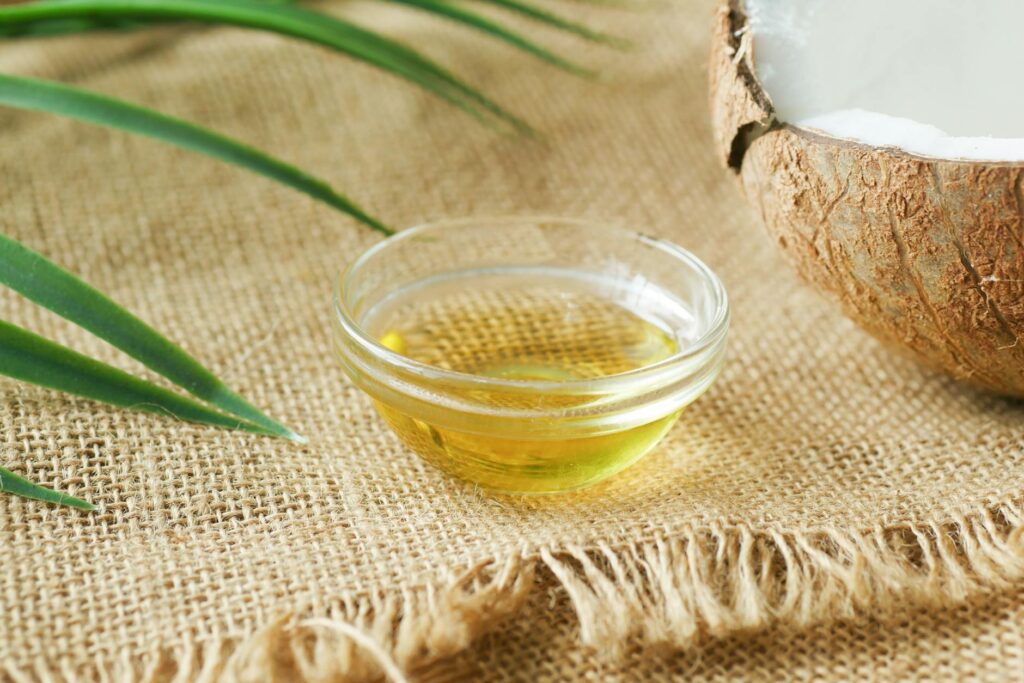
Is Coconut Oil Blend with Essential Oils for Massage Safe? Uses, Benefits and Precautions
Introduction
In recent years, the practice of using essential oils for therapeutic and relaxation purposes has gained significant popularity. One of the most common carrier oils for diluting essential oils is coconut oil. This article explores the safety, uses, benefits, and precautions of blending coconut oil with essential oils for massage.
What Is Coconut Oil Blend with Essential Oils for Massage?
Coconut oil is derived from the fruit of the coconut palm (Cocos nucifera) and is known for its moisturizing properties and pleasant aroma. It is often used as a carrier oil, which means it serves as a base to dilute essential oils before applying them to the skin. The combination of coconut oil and essential oils can create a soothing blend, ideal for massage practices.
Essential oils are concentrated plant extracts that capture the natural fragrance and beneficial properties of various plants. When combined with coconut oil, these oils can enhance the overall experience of a massage by providing both physical and aromatic benefits.
Key Benefits and Properties
1. Moisturizing
Coconut oil is renowned for its ability to hydrate and nourish the skin. Its fatty acids can penetrate the skin barrier, providing deep moisture and enhancing the skin’s overall texture. This is particularly beneficial during massage, as hydrated skin allows for smoother movements.
2. Anti-inflammatory
Certain essential oils, such as lavender and chamomile, have anti-inflammatory properties. When blended with coconut oil, they can help soothe skin irritations and reduce redness or swelling, making the massage experience more comfortable.
3. Aromatic Benefits
The addition of essential oils not only enhances the therapeutic effects of the massage but also enriches the sensory experience. The aromas released during the massage can influence mood and emotional well-being, promoting relaxation and stress relief.
4. Enhanced Absorption
Coconut oil is often praised for its ability to facilitate the absorption of essential oils into the skin. This can enhance the effectiveness of the essential oils, allowing their beneficial properties to be more readily available for the body to utilize.
5. Antimicrobial Properties
Coconut oil possesses natural antimicrobial properties, which can be beneficial during massage to reduce the risk of skin infections. Certain essential oils, like tea tree and eucalyptus, further enhance this aspect, making the blend particularly advantageous for maintaining skin health.
Common Uses
1. Relaxation Massage
A blend of coconut oil and calming essential oils, such as lavender or ylang-ylang, can be used for relaxation massages. This combination helps to unwind the body and mind, promoting tranquility and reducing stress.
2. Sports Massage
For athletes or individuals engaged in physical activities, a blend that includes invigorating essential oils like peppermint or rosemary can be beneficial. These oils may help relieve muscle tension and improve circulation, making them suitable for pre- or post-workout massages.
3. Aromatherapy
Coconut oil blends can be utilized in aromatherapy practices, where the emphasis is on the therapeutic benefits of essential oils. The calming scent of the oils combined with the smooth texture of coconut oil can enhance the overall experience.
4. Skin Care
The moisturizing properties of coconut oil make it an excellent choice for general skin care. Blending it with essential oils like tea tree or frankincense can target specific skin concerns, such as dryness or blemishes.
Aromatherapy Applications
The aromatic properties of essential oils play a crucial role in the effectiveness of a coconut oil blend. Here are some essential oils commonly used in conjunction with coconut oil for various aromatherapy applications:
1. Lavender
Known for its calming effects, lavender essential oil is frequently used in relaxation massages. Its floral aroma helps alleviate anxiety and promotes a sense of peace.
2. Peppermint
Peppermint oil is often used for its invigorating properties. When blended with coconut oil, it can provide a cooling sensation, making it suitable for sports massages that aim to relieve muscle soreness.
3. Eucalyptus
Eucalyptus essential oil is well-known for its refreshing scent and respiratory benefits. It can be blended with coconut oil for massages aimed at relieving congestion and promoting easier breathing.
4. Tea Tree
Tea tree oil is often used in skin care formulations due to its antimicrobial properties. When combined with coconut oil, it can help address skin issues while providing a soothing massage experience.
Safety Considerations
While blending coconut oil with essential oils for massage can be beneficial, it is essential to keep certain safety considerations in mind:
1. Dilution
Essential oils are highly concentrated and should always be diluted before applying to the skin. A general guideline is to use a dilution of 1-2% for topical applications, which translates to about 1-2 drops of essential oil per teaspoon of coconut oil.
2. Skin Sensitivity
Before using a new essential oil blend, it’s advisable to perform a patch test. Apply a small amount of the diluted blend to an inconspicuous area of skin to check for any adverse reactions.
3. Allergies
Individuals with known allergies to specific plants or essential oils should avoid using those oils in their blends. Reading labels and conducting thorough research on essential oils is crucial to prevent allergic reactions.
4. Medical Conditions
Certain essential oils may interact with medications or exacerbate medical conditions. While this article does not provide medical advice, individuals with pre-existing health conditions should consult a qualified healthcare professional before using essential oils.
5. Pregnancy and Nursing
Pregnant or nursing individuals should exercise caution when using essential oils, as some may not be safe during these periods. It is advisable to consult a healthcare provider for personalized guidance.
Storage and Shelf Life
Proper storage of coconut oil and essential oil blends is essential to maintain their quality. Here are some tips:
1. Store in a Cool, Dark Place
Coconut oil and essential oils should be kept in a cool, dark place away from direct sunlight. Heat and light can degrade the quality of the oils, reducing their effectiveness.
2. Use Dark Glass Containers
Using dark glass containers for storage can help protect the oils from light exposure. Clear containers should be avoided, as they may allow light to penetrate and affect the oils’ integrity.
3. Shelf Life
Coconut oil has a long shelf life, typically lasting up to two years when stored properly. Essential oils vary in shelf life depending on the type, with some lasting several years while others may have a shorter duration. It is advisable to check the specific recommendations for each essential oil.
Frequently Asked Questions
1. Can I use any essential oil with coconut oil for massage?
While many essential oils can be safely blended with coconut oil, it is essential to research each oil’s properties and potential effects. Some oils may not be suitable for certain individuals or situations.
2. Is coconut oil suitable for all skin types?
Coconut oil is generally safe for most skin types, but individuals with oily or acne-prone skin should exercise caution, as it may clog pores. Patch testing is recommended for those with sensitive skin.
3. How can I enhance the aroma of my coconut oil blend?
To enhance the aroma, consider blending multiple essential oils that complement each other. However, ensure that you adhere to safe dilution practices.
4. Is it safe to use essential oil blends during pregnancy?
Pregnant individuals should consult a qualified healthcare professional before using essential oils, as some may not be safe during this time.
5. How often can I use coconut oil blends for massage?
The frequency of use may depend on individual preferences and skin sensitivity. Regular use is generally safe, but it is advisable to listen to your body and adjust accordingly.
Conclusion
Blending coconut oil with essential oils for massage can be a delightful and beneficial practice, offering a range of therapeutic properties and aromatic experiences. While the combination is generally safe when prepared and used correctly, it is essential to consider individual sensitivities, allergies, and specific health conditions. By following safety precautions and storing oils appropriately, one can enjoy the myriad benefits that this blend has to offer in their self-care and wellness routines.