
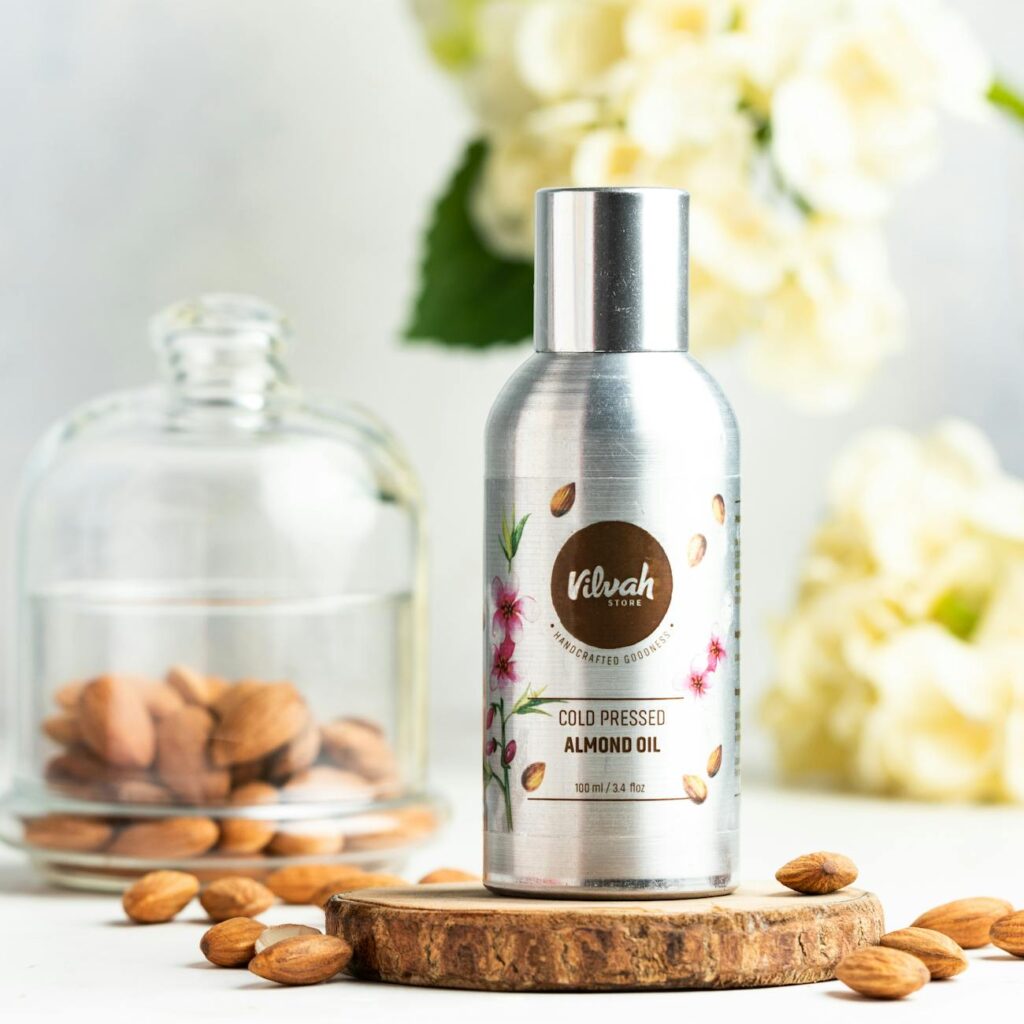
Is Cold-Pressed Almond Oil Safe? Uses, Benefits, and Precautions
Introduction
Cold-pressed almond oil has gained popularity in recent years as a versatile oil with various applications in culinary arts, skincare, and aromatherapy. Extracted without the use of heat, this method preserves the oil’s natural nutrients, making it an appealing choice for many. This article explores the properties, uses, benefits, and precautions associated with cold-pressed almond oil, providing a comprehensive understanding of its safety and applications.
What Is Cold-Pressed Almond Oil?
Cold-pressed almond oil is derived from the seeds of the almond tree (Prunus dulcis). The oil extraction process involves mechanically pressing the almonds at low temperatures, which helps retain the oil’s beneficial properties. Unlike refined oils, which may undergo chemical processes and high heat, cold-pressed almond oil remains unrefined, thus preserving its flavor, aroma, and nutritional value.
There are two main types of almond oil: sweet almond oil, commonly used in skincare and culinary applications, and bitter almond oil, which is primarily used in aromatherapy and must be used cautiously due to its potential toxicity.
Key Benefits and Properties
Cold-pressed almond oil is rich in various nutrients, making it beneficial for both internal and external use:
1. Nutritional Profile: It contains essential fatty acids, particularly oleic acid, and linoleic acid, which are crucial for maintaining healthy skin and hair. Additionally, it is a source of vitamin E, an antioxidant that helps protect cells from oxidative damage.
2. Moisturizing Properties: Known for its emollient qualities, almond oil is effective in moisturizing the skin. It penetrates easily, making it suitable for various skin types, including sensitive skin.
3. Anti-Inflammatory Effects: The oil may help soothe irritation and reduce inflammation, making it useful for conditions such as eczema and psoriasis.
4. Nutritional Benefits: When consumed, almond oil may support heart health due to its monounsaturated fats, which can help lower bad cholesterol levels.
5. Hair Care: Almond oil is often used in hair treatments, as it can nourish the scalp, reduce dandruff, and add shine to hair.
Common Uses
Cold-pressed almond oil has a wide range of applications:
Culinary Uses
- Cooking and Baking: Sweet almond oil has a mild flavor and can be used in salad dressings, marinades, or as a finishing oil.
- Nutritional Supplement: Some people incorporate almond oil into their diets for its health benefits, often drizzling it over dishes or adding it to smoothies.
- Moisturizer: It can be applied directly to the skin as a moisturizer, helping to hydrate and soften.
- Massage Oil: Its smooth texture makes it an excellent choice for massage, providing lubrication while nourishing the skin.
- Makeup Remover: Almond oil can effectively remove makeup without stripping the skin of its natural oils.
- Conditioner: Used as a pre-shampoo treatment, almond oil can help condition and nourish hair.
- Styling Aid: A few drops can be used to tame frizz and add shine.
- Dilution of Essential Oils: When mixed with essential oils, almond oil can help enhance their absorption and reduce skin irritation.
- Massage Blends: It is frequently used in aromatherapy massage, allowing practitioners to combine therapeutic essential oils with a nourishing base.
- Relaxation and Stress Relief: By combining almond oil with calming essential oils such as lavender or chamomile, users can create a soothing blend for relaxation.
- Storage Conditions: Store in a cool, dark place, away from heat and light. An airtight container can help reduce exposure to oxygen, which can lead to oxidation and rancidity.
- Refrigeration: While not necessary, refrigeration can help preserve the oil for a longer period.
Skincare
Hair Care
Aromatherapy Applications
In aromatherapy, cold-pressed almond oil serves as a carrier oil, which dilutes essential oils for safe topical application. Its mild scent complements many essential oils, making it a versatile choice for blending. Here are some common applications:
Safety Considerations
While cold-pressed almond oil is generally considered safe for most individuals, there are some precautions to keep in mind:
1. Allergic Reactions: Those with nut allergies should avoid almond oil, as it may trigger allergic responses. It is essential to conduct a patch test before using the oil extensively on the skin.
2. Quality and Purity: Ensure you purchase high-quality, pure cold-pressed almond oil from reputable sources. Adulterated or synthetic oils may not provide the same benefits and can cause adverse reactions.
3. Storage: Proper storage is crucial to maintaining the oil’s quality. Keep almond oil in a cool, dark place, away from direct sunlight, to prevent rancidity.
4. Consumption: If using almond oil for culinary purposes, it is advisable to use it in moderation. While it offers health benefits, excessive consumption of any oil can lead to increased caloric intake.
5. Consultation: If you are pregnant, nursing, or have existing health conditions, consult with a healthcare provider before incorporating almond oil into your routine.
Storage and Shelf Life
Cold-pressed almond oil has a shelf life of about 12 months when stored correctly. To extend its longevity, follow these guidelines:
Frequently Asked Questions
1. Is cold-pressed almond oil safe for all skin types?
Yes, cold-pressed almond oil is generally safe for most skin types, including sensitive skin. However, those with nut allergies should avoid it.
2. Can I use cold-pressed almond oil on my hair every day?
While almond oil is nourishing for hair, it is best to use it in moderation. Daily application may lead to buildup or greasiness.
3. How can I tell if my almond oil has gone bad?
Signs of rancidity include an off smell, change in color, or a sticky texture. If you notice these signs, it is best to discard the oil.
4. Can I use almond oil in cooking?
Yes, sweet almond oil can be used in cooking and baking. However, it is best to use it for low-heat applications to retain its nutritional properties.
5. Is cold-pressed almond oil the same as sweet almond oil?
Yes, cold-pressed almond oil typically refers to sweet almond oil, which is safe for consumption and topical use. Bitter almond oil, on the other hand, is not safe for consumption and should be used cautiously in aromatherapy.
Conclusion
Cold-pressed almond oil is a versatile and beneficial oil with a wide range of applications in cooking, skincare, and aromatherapy. Its rich nutritional profile and moisturizing properties make it a popular choice for many. However, it is essential to consider safety precautions, especially for individuals with allergies or specific health conditions. By understanding its uses, benefits, and proper storage methods, one can effectively incorporate cold-pressed almond oil into their daily routine, enjoying its many advantages safely.