
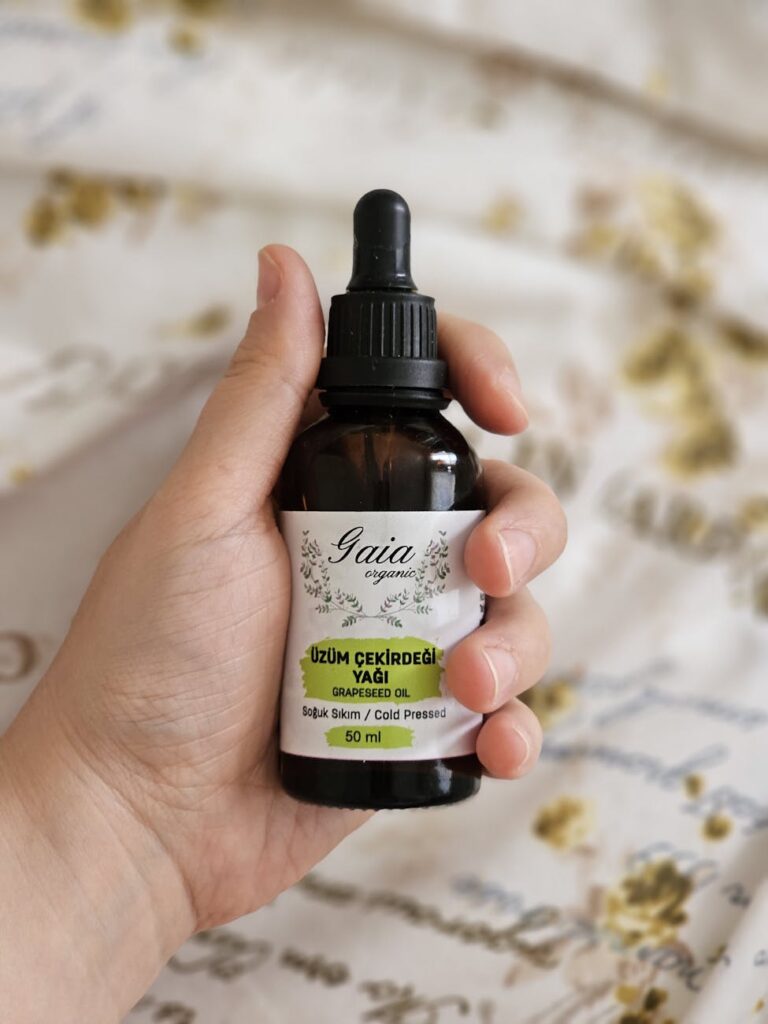
Is Cold-Pressed Chia Seed Oil Safe? Uses, Benefits and Precautions
Introduction
Cold-pressed chia seed oil has gained popularity in recent years, both in culinary applications and natural health circles. Extracted from the seeds of the Salvia hispanica plant, this oil is rich in omega-3 fatty acids, antioxidants, and other beneficial compounds. However, as with any natural product, understanding its safety, uses, and potential precautions is essential for informed usage. This article will explore the nature of cold-pressed chia seed oil, its benefits, common uses, aromatherapy applications, safety considerations, and storage recommendations.
What Is Cold-Pressed Chia Seed Oil?
Chia seed oil is derived from the seeds of the chia plant, native to Central and South America. The process of cold pressing involves mechanically pressing the seeds without applying heat, which helps retain the oil’s beneficial properties. This method preserves the oil’s nutritional profile, including its high content of alpha-linolenic acid (ALA), a plant-based omega-3 fatty acid.
The oil is typically light to dark amber in color and has a mild, nutty aroma. Its composition consists primarily of polyunsaturated fats, making it a versatile ingredient for various applications, from cooking to skincare.
Key Benefits and Properties
Chia seed oil boasts numerous health and wellness benefits attributed to its rich nutrient profile:
1. Rich in Omega-3 Fatty Acids
Chia seed oil contains a significant amount of ALA, which is essential for heart health. Omega-3 fatty acids are known for their anti-inflammatory properties and may contribute to reducing the risk of chronic diseases.
2. Antioxidant Properties
The oil is rich in antioxidants, such as tocopherols and phenolic compounds. These antioxidants may help combat oxidative stress in the body, potentially reducing the risk of certain diseases and promoting overall well-being.
3. Skin Benefits
Chia seed oil is often used in cosmetic formulations due to its moisturizing properties. Its fatty acid composition may help improve skin hydration, elasticity, and overall appearance.
4. Digestive Health
Incorporating chia seed oil into one’s diet may contribute to improved digestive health, thanks to its high fiber content when consumed as whole seeds.
5. Anti-Inflammatory Effects
The omega-3 fatty acids in chia seed oil may possess anti-inflammatory properties, which could be beneficial in managing conditions characterized by inflammation.
Common Uses
Chia seed oil is versatile and can be used in various applications, including:
1. Culinary Uses
Its mild flavor makes chia seed oil suitable for salad dressings, drizzling over vegetables, or adding to smoothies. However, due to its low smoke point, it is not recommended for frying or high-heat cooking.
2. Skincare
Chia seed oil is popular in skincare formulations. It can be incorporated into lotions, creams, and serums for its moisturizing and soothing properties. It may also be used on its own as a facial oil.
3. Hair Care
The nourishing properties of chia seed oil can benefit hair health. It may be used as a hair treatment to enhance shine, reduce frizz, and moisturize the scalp.
4. Nutritional Supplements
Some individuals may choose to take chia seed oil as a dietary supplement for its omega-3 content. However, it is essential to consult with a healthcare professional regarding supplementation.
Aromatherapy Applications
While chia seed oil is not typically used as a primary essential oil in aromatherapy, it can play a supportive role in holistic practices. It often serves as a carrier oil, diluting essential oils for safe application on the skin. Its light texture makes it suitable for blending with more potent essential oils, allowing for effective topical use without overwhelming the senses.
Blending with Essential Oils
When used in aromatherapy, chia seed oil can be combined with essential oils such as lavender, chamomile, or eucalyptus for a soothing massage or skin treatment. The dilution helps prevent skin irritation while enhancing the overall aromatic experience.
Safety Considerations
While cold-pressed chia seed oil is generally considered safe for most individuals, there are some precautions to keep in mind:
1. Allergic Reactions
Though rare, some people may experience allergic reactions to chia seeds or chia seed oil. Symptoms may include rashes, itching, or gastrointestinal discomfort. It is advisable to conduct a patch test before extensive use.
2. Moderation in Consumption
While chia seed oil is beneficial, moderation is key. Overconsumption may lead to gastrointestinal upset, particularly for individuals not accustomed to high-fiber diets.
3. Pregnancy and Breastfeeding
Though chia seed oil is generally considered safe, pregnant or breastfeeding individuals should consult a healthcare professional before adding it to their diet or skincare routine.
4. Interactions with Medications
Individuals taking blood-thinning medications should exercise caution, as the omega-3 content may have a blood-thinning effect. Always consult with a healthcare provider regarding potential interactions.
Storage and Shelf Life
Proper storage of chia seed oil is crucial to maintain its quality and extend its shelf life. Here are some recommendations:
1. Storage Conditions
Store chia seed oil in a cool, dark place, such as a pantry or refrigerator. Exposure to light and heat can degrade the oil, leading to rancidity.
2. Container Type
Keep the oil in a dark glass bottle or an opaque container to protect it from light. Make sure the container is tightly sealed to prevent oxidation.
3. Shelf Life
Under proper storage conditions, cold-pressed chia seed oil typically has a shelf life of about 6 to 12 months. Always check for off odors or changes in color before use, as these may indicate spoilage.
Frequently Asked Questions
1. Can I use chia seed oil for cooking?
Yes, chia seed oil can be used in culinary applications, particularly in salad dressings or cold dishes. However, it should not be used for frying or high-heat cooking due to its low smoke point.
2. Is chia seed oil suitable for all skin types?
Chia seed oil is generally safe for most skin types, including sensitive skin. However, it is advisable to perform a patch test before widespread application.
3. How does chia seed oil compare to flaxseed oil?
Both chia seed oil and flaxseed oil are rich sources of omega-3 fatty acids. However, chia seed oil has a higher antioxidant content, while flaxseed oil may have a stronger flavor.
4. Is chia seed oil safe for children?
While chia seed oil is generally safe, it is advisable to consult a pediatrician before introducing it into a child’s diet or skincare routine.
5. What is the best way to incorporate chia seed oil into my diet?
Chia seed oil can be easily added to smoothies, salad dressings, or drizzled over cooked dishes. Start with small amounts to gauge tolerance and preference.
Conclusion
Cold-pressed chia seed oil is a nutrient-rich oil with various applications in cooking, skincare, and aromatherapy. Its benefits, including high omega-3 fatty acid content and antioxidant properties, make it a valuable addition to a healthy lifestyle. However, it is essential to consider safety precautions and proper storage to ensure the oil remains effective and safe for use. As with any natural product, individual experiences may vary, and it is always prudent to consult with professionals when in doubt.