
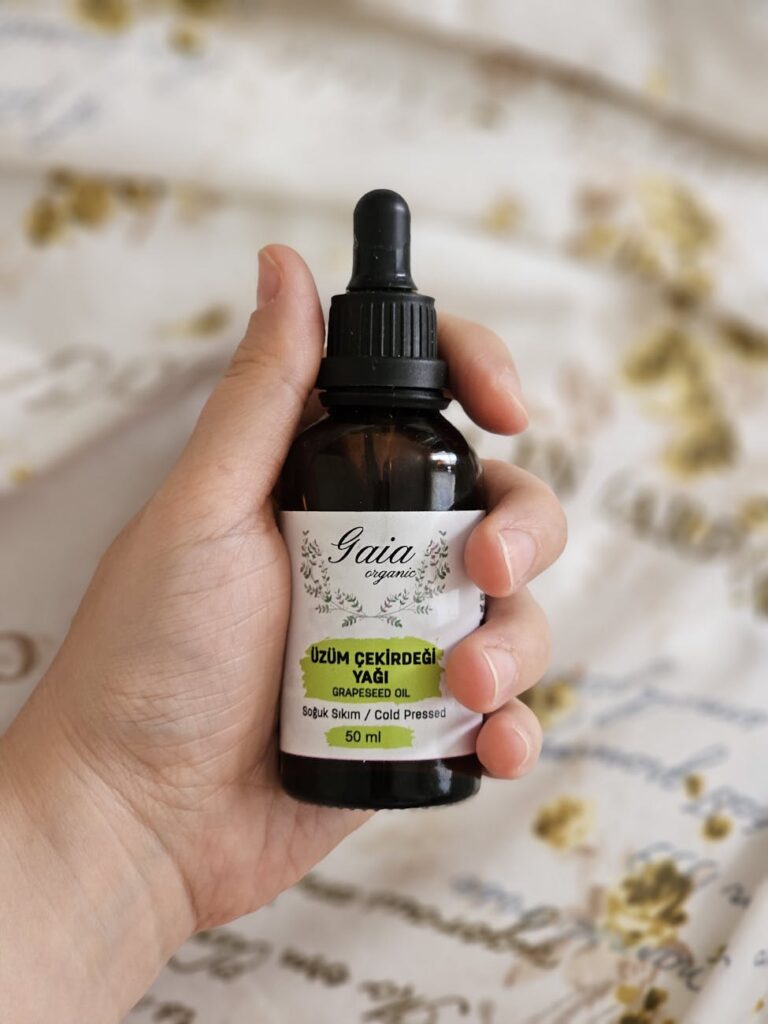
Is Cold-Pressed Jojoba Oil Safe? Uses, Benefits, and Precautions
Introduction
Cold-pressed jojoba oil has gained significant attention in the realms of skincare, hair care, and aromatherapy. Extracted from the seeds of the jojoba plant (Simmondsia chinensis), this oil is often lauded for its unique properties that closely resemble the natural oils produced by the skin. This article aims to explore what cold-pressed jojoba oil is, its benefits and uses, safety considerations, and more, providing a comprehensive overview for those interested in integrating this oil into their routines.
What Is Cold-Pressed Jojoba Oil?
Cold-pressed jojoba oil is derived from the seeds of the jojoba plant through a process that involves pressing the seeds without the application of heat. This method helps preserve the oil’s beneficial properties, maintaining its natural composition and efficacy. Jojoba oil is not technically an oil but a liquid wax ester, which gives it a unique structure and allows it to penetrate the skin easily. It is often favored in cosmetic formulations due to its stability and long shelf life.
Key Benefits and Properties
1. Moisturizing Properties
Jojoba oil is renowned for its moisturizing capabilities. Its structure mimics that of human sebum, allowing it to absorb easily into the skin and providing hydration without clogging pores. This makes it suitable for various skin types, including oily, dry, and combination skin.
2. Anti-Inflammatory Effects
Cold-pressed jojoba oil contains compounds that may help reduce inflammation and redness. It is often used to soothe irritated skin, making it a popular choice in formulations for sensitive or inflamed skin conditions.
3. Antioxidant Rich
The oil is rich in antioxidants, including vitamin E, which can help protect the skin from oxidative stress. This property may contribute to anti-aging benefits by reducing the appearance of fine lines and wrinkles.
4. Non-Comedogenic
One of the key advantages of jojoba oil is its non-comedogenic nature. This means it is unlikely to clog pores, making it an excellent choice for those with acne-prone skin.
5. Balances Oil Production
Due to its ability to closely mimic the skin’s natural oils, jojoba oil can help balance oil production. It can signal the skin to reduce its oil production when it senses sufficient moisture, making it useful for both oily and dry skin types.
Common Uses
1. Skincare
Jojoba oil is often used as a standalone moisturizer or as an ingredient in lotions, creams, and serums. Its lightweight texture makes it suitable for daily use, and it can be applied both in the morning and evening.
2. Hair Care
In hair care, jojoba oil can be used as a conditioning treatment. It helps to hydrate the hair, reduce frizz, and add shine. It is often included in shampoos and conditioners or used as a pre-treatment before washing.
3. Makeup Removal
Thanks to its effective cleansing properties, jojoba oil can be used as a natural makeup remover. It dissolves makeup without stripping the skin of its natural oils.
4. Massage Oil
The smooth texture of jojoba oil makes it an excellent choice for massage. It glides easily over the skin, providing a nourishing layer that enhances the massage experience.
5. Carrier Oil for Essential Oils
Jojoba oil is frequently used as a carrier oil in aromatherapy. It dilutes essential oils, making them safe for topical application while retaining their benefits.
Aromatherapy Applications
In aromatherapy, cold-pressed jojoba oil is commonly used as a carrier oil. When mixed with essential oils, it allows for the safe application of potent plant extracts on the skin. The following are some common blends:
1. Calming Blends
Mixing jojoba oil with essential oils such as lavender or chamomile can create a calming blend that can be applied to pulse points or used in massage for relaxation.
2. Uplifting Blends
Combining jojoba oil with citrus oils like orange or lemon can create an uplifting blend that may enhance mood and energy levels.
3. Skin Healing Blends
Blending jojoba oil with essential oils known for their skin-healing properties, such as tea tree or frankincense, can create a potent combination for soothing and healing various skin conditions.
Safety Considerations
1. Skin Sensitivity
Although jojoba oil is generally considered safe for most skin types, it is always advisable to conduct a patch test before widespread application. Apply a small amount to a discrete area of skin and monitor for any adverse reactions over 24 hours.
2. Allergies
Individuals with known allergies to the jojoba plant or related species should avoid using jojoba oil. While rare, allergic reactions can occur, and it’s essential to be cautious.
3. Interaction with Other Products
When using jojoba oil in conjunction with other skincare products, particularly those containing potent ingredients like retinoids or acids, it is wise to consult with a skincare professional to ensure compatibility.
4. Not for Ingestion
Jojoba oil is intended for external use only. Ingesting the oil can lead to adverse effects and should be avoided.
Storage and Shelf Life
Cold-pressed jojoba oil has a relatively long shelf life compared to other oils, often lasting up to two years when stored properly. To maintain its quality:
- Store in a Cool, Dark Place: Exposure to heat and light can degrade the oil, so it is best kept in a cool, dark cabinet.
- Use Dark Glass Containers: If possible, store jojoba oil in dark glass bottles, as these can help protect the oil from light exposure.
- Seal Tightly: Ensure that the container is sealed tightly to prevent air from entering, as oxidation can also affect the oil’s quality.
Frequently Asked Questions
1. Can jojoba oil be used on all skin types?
Yes, jojoba oil is suitable for all skin types, including oily, dry, and sensitive skin. Its non-comedogenic nature makes it especially beneficial for acne-prone skin.
2. How often should I use jojoba oil?
Jojoba oil can be used daily, both as a standalone moisturizer and as an ingredient in other products. The frequency of use may vary based on individual skin needs.
3. Is cold-pressed jojoba oil the same as refined jojoba oil?
No, cold-pressed jojoba oil is extracted without heat, preserving its beneficial properties, while refined jojoba oil undergoes processing that may strip some of its nutrients.
4. Can jojoba oil help with hair loss?
While jojoba oil can nourish and hydrate the scalp and hair, it is not a cure for hair loss. It may promote a healthier scalp environment, which can support hair health.
5. Is it safe to use jojoba oil during pregnancy?
Jojoba oil is generally considered safe for topical use during pregnancy. However, it is advisable to consult with a healthcare provider for personalized guidance.
Conclusion
Cold-pressed jojoba oil is a versatile and beneficial oil that can enhance skincare, hair care, and aromatherapy practices. Its moisturizing, anti-inflammatory, and non-comedogenic properties make it suitable for a wide range of applications. While generally safe, users should remain aware of potential sensitivities and conduct patch tests when trying new products. With proper storage and consideration of safety precautions, cold-pressed jojoba oil can be a valuable addition to personal care routines.