
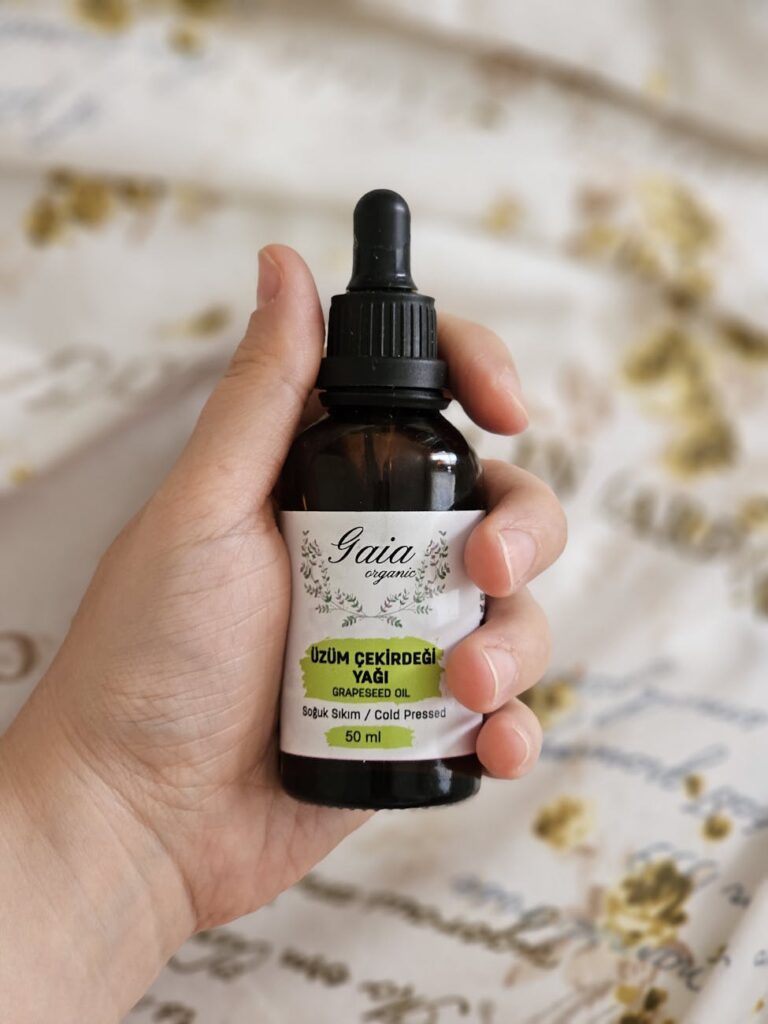
Is Cold Pressed Oils Safe? Uses, Benefits, and Precautions
Introduction
Cold-pressed oils have garnered considerable attention in recent years for their potential health and wellness benefits. Extracted through a method that involves pressing seeds, nuts, or fruits without the application of heat, these oils retain a higher concentration of nutrients, flavor, and aroma compared to oils extracted through methods involving heat or solvents. This article will explore the nature of cold-pressed oils, their benefits, common uses, and essential precautions to ensure safe handling and storage.
What Are Cold Pressed Oils?
Cold-pressed oils are derived from various plant sources, including seeds, nuts, and fruits. The cold pressing process involves mechanically crushing the plant material to release its oil while maintaining a temperature below 120°F (49°C). This method preserves the oil’s natural flavors, aromas, and nutrient content, making it appealing for culinary, cosmetic, and therapeutic applications.
The absence of heat during extraction means that cold-pressed oils retain essential vitamins, minerals, and antioxidants that might otherwise be destroyed. This preservation of nutrients is one of the key reasons these oils are favored in health-conscious circles.
Key Benefits and Properties
1. Nutrient-Rich: Cold-pressed oils are often rich in essential fatty acids, vitamins (such as Vitamin E), and phytochemicals. These components can contribute to overall health and well-being.
2. Antioxidant Properties: Many cold-pressed oils contain antioxidants that help combat oxidative stress in the body, potentially reducing the risk of chronic diseases.
3. Flavor and Aroma: The cold pressing method preserves the oil’s natural flavor and aroma, making them popular choices in gourmet cooking and aromatherapy.
4. Versatility: These oils can be used in various applications, from cooking and salad dressings to skin care and hair treatments.
5. Sustainability: Many cold-pressed oils are derived from sustainable sources, making them an environmentally friendly choice for consumers concerned about sustainability.
Common Uses
Cold-pressed oils have a diverse array of applications across multiple fields:
Culinary Uses
- Cooking: Cold-pressed oils like olive oil, sesame oil, and coconut oil are excellent for cooking due to their rich flavors and health benefits. They can be used for sautéing, frying, and baking.
- Dressings and Marinades: Their robust flavors make them ideal for salad dressings and marinades, enhancing the overall taste of dishes.
- Skincare: Cold-pressed oils, such as jojoba oil and argan oil, are widely used in skincare products for their moisturizing and nourishing properties.
- Hair Care: Oils like coconut and castor oil are often applied to hair to improve shine and manageability.
- Massage: Cold-pressed oils can serve as carrier oils for essential oils in massage therapy, helping to hydrate the skin while alleviating tension.
- Aromatherapy: These oils can also be used in diffusers or inhalers to create a calming environment, enhancing emotional well-being.
- Carrier Oils: They are often used to dilute essential oils, making them safe for topical application. Common carrier oils include sweet almond oil, avocado oil, and grapeseed oil, all of which are cold-pressed.
- Blending: Cold-pressed oils can be blended with essential oils to create unique aromatherapy formulations. Their inherent scents can complement or enhance the therapeutic properties of essential oils.
- Diffusion: While cold-pressed oils are not typically used in oil diffusers alone, they can be blended with essential oils to create soothing and aromatic environments.
- Cool, Dark Place: Store cold-pressed oils in a cool, dark place away from direct sunlight and heat sources. Light and heat can accelerate the oxidation process, leading to rancidity.
- Sealed Containers: Ensure that the oil is stored in a tightly sealed container to minimize exposure to air, which can also lead to oxidation.
- Refrigeration: Some oils, particularly those high in polyunsaturated fatty acids, may benefit from refrigeration to prolong shelf life. Always check the specific storage recommendations for each oil.
- Shelf Life: Cold-pressed oils typically have a shelf life of 6 months to 2 years, depending on the type of oil and storage conditions. Always check the expiration date and use your senses—if the oil smells off or rancid, it is best to discard it.
Cosmetic Uses
Therapeutic Uses
Aromatherapy Applications
In the realm of aromatherapy, cold-pressed oils can serve multiple functions:
Safety Considerations
While cold-pressed oils offer numerous benefits, it is essential to observe certain safety considerations:
1. Allergies: Individuals with specific allergies should exercise caution. For instance, nut oils may not be suitable for those allergic to tree nuts.
2. Quality: The quality of cold-pressed oils can vary significantly among brands. It is advisable to choose oils that are labeled organic and cold-pressed to ensure minimal processing and contamination.
3. Purity: Some cold-pressed oils may be mixed with other oils, which can affect their properties. Always check the ingredient list for purity.
4. Skin Sensitivity: When used topically, it is wise to perform a patch test first to check for any adverse reactions, especially for those with sensitive skin.
5. Heat Sensitivity: Although cold-pressed oils have a higher smoke point than refined oils, they are still more susceptible to oxidation. Therefore, they should not be used for high-heat cooking methods.
Storage and Shelf Life
Proper storage is crucial to maintaining the quality and safety of cold-pressed oils:
Frequently Asked Questions
1. Are cold-pressed oils more nutritious than refined oils?
Yes, cold-pressed oils retain more nutrients, antioxidants, and natural flavors compared to refined oils, which undergo processing that removes many beneficial components.
2. Can I use cold-pressed oils for frying?
While some cold-pressed oils can tolerate moderate heat, it is generally recommended to avoid using them for frying due to their lower smoke points compared to refined oils.
3. How can I tell if cold-pressed oil has gone bad?
Signs of rancidity include an off smell, a change in color, or an unusual taste. If you notice any of these signs, it is best to discard the oil.
4. Can cold-pressed oils be used on all skin types?
Most cold-pressed oils are suitable for various skin types, but it is advisable to perform a patch test first, especially for sensitive skin.
5. Are there any cold-pressed oils that should not be mixed with essential oils?
While many cold-pressed oils can be used as carrier oils, certain oils may have unique properties or reactions. It is always recommended to consult reputable sources or professionals when blending oils.
Conclusion
Cold-pressed oils offer an array of benefits, making them valuable additions to culinary, cosmetic, and therapeutic practices. Their nutrient-rich profile, coupled with their versatility, makes them a popular choice among health-conscious individuals. However, it is essential to understand the safety considerations and proper storage techniques to maximize their benefits. By being informed and cautious, you can safely incorporate cold-pressed oils into your lifestyle, enhancing both your culinary experiences and overall well-being.