
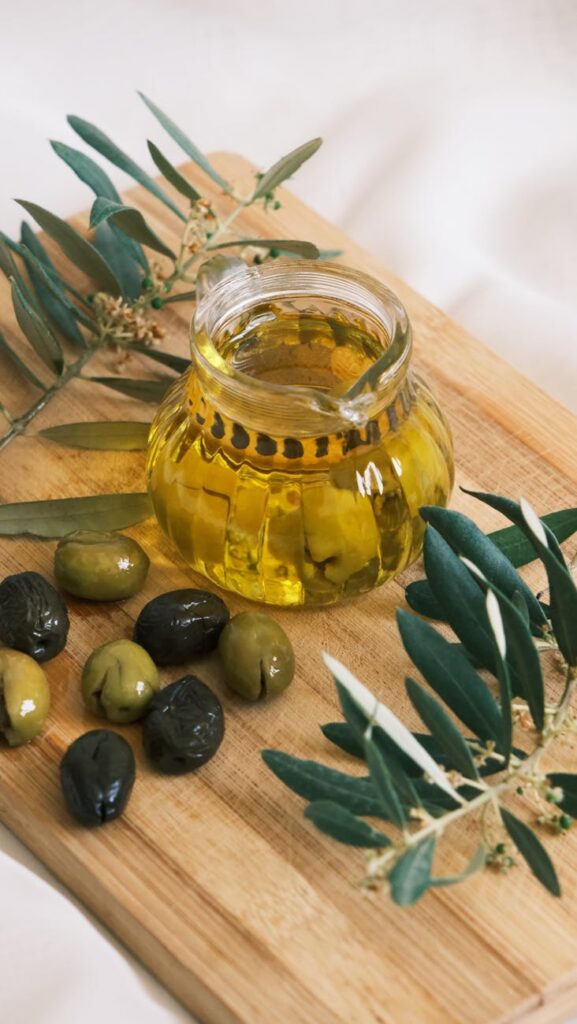
Is Cold-Pressed Olive Pomace Oil Safe? Uses, Benefits and Precautions
Introduction
Olive oil has long been celebrated for its culinary applications and health benefits. Among the various types of olive oil, cold-pressed olive pomace oil is gaining attention for its unique properties and uses. This article delves into what cold-pressed olive pomace oil is, its benefits, applications in aromatherapy, and essential safety considerations for its use.
What Is Cold-Pressed Olive Pomace Oil?
Cold-pressed olive pomace oil is derived from the residue left after the extraction of virgin olive oil from olives. The pomace consists of the olive skins, pits, and pulp that remain after the initial pressing. Unlike extra virgin olive oil, which is obtained through mechanical means without heat, pomace oil is extracted using solvents or further mechanical processes. However, cold-pressing refers to the method of extraction that minimizes heat, preserving some of the oil’s natural properties.
Extraction Process
The extraction method involves treating the pomace with heat and solvents to release oil. Cold-pressed pomace oil specifically employs lower temperatures to maintain some of the beneficial compounds typically found in olive oil, though it may not achieve the same quality and flavor profile as higher-grade olive oils.
Key Benefits and Properties
Cold-pressed olive pomace oil offers a variety of benefits, although it may not hold the same prestige as extra virgin olive oil. Below are some key benefits and properties associated with this oil:
Nutritional Content
While its nutritional profile isn’t as rich as that of virgin olive oil, cold-pressed olive pomace oil still contains fatty acids, including oleic acid, which is known for its heart-healthy properties. It also provides small amounts of antioxidants, vitamins, and polyphenols.
Skin Benefits
Cold-pressed olive pomace oil is often used in cosmetics and skincare products due to its moisturizing properties. It can help hydrate the skin, making it an appealing ingredient in lotions, creams, and soaps. Its emollient characteristics can aid in softening rough skin and improving overall skin texture.
Culinary Applications
This oil has a higher smoke point compared to extra virgin olive oil, making it suitable for frying and sautéing. It is often used in commercial kitchens for cooking due to its cost-effectiveness and stability at high temperatures.
Common Uses
Cold-pressed olive pomace oil is utilized in various sectors ranging from culinary to cosmetic applications. Here are some of its primary uses:
Cooking
Due to its high smoke point (around 400°F or 204°C), cold-pressed olive pomace oil is often favored for frying and roasting. It can add a mild flavor to dishes without overpowering other ingredients.
Skincare
In the realm of skincare, it is frequently found in products designed for dry or sensitive skin. Its moisturizing properties make it an effective carrier oil for essential oils in massage blends.
Hair Care
Cold-pressed olive pomace oil can also be beneficial for hair care. It is sometimes used in hair masks and conditioners to improve shine, manageability, and moisture retention.
Industrial Applications
Beyond personal care and culinary uses, cold-pressed olive pomace oil is often utilized in the production of soaps and as a base for various cosmetic formulations.
Aromatherapy Applications
While cold-pressed olive pomace oil is not typically used as an essential oil itself, it serves as an excellent carrier oil in aromatherapy. When mixed with essential oils, it can dilute their potency, allowing for safe topical application. Here are a few ways it can be integrated into aromatherapy practices:
Carrier Oil
As a carrier oil, cold-pressed olive pomace oil can be mixed with essential oils for massage therapy or topical application. Its moisturizing properties can enhance the benefits of essential oils like lavender or tea tree oil.
Diffusion
While not commonly used in diffusers, it can be included in oil blends that are meant for diffusion when combined with essential oils. This can create a soothing environment conducive to relaxation and stress relief.
Skin Treatments
Incorporating cold-pressed olive pomace oil into homemade skincare formulations can enhance the absorption of essential oils, allowing for targeted therapeutic benefits.
Safety Considerations
While cold-pressed olive pomace oil is generally regarded as safe for most uses, certain precautions should be taken:
Allergies
Individuals with olive allergies should avoid using this oil, as it may trigger allergic reactions. Always conduct a patch test before using it topically to check for any adverse reactions.
Quality and Purity
Not all cold-pressed olive pomace oils are created equal. It is essential to select high-quality products from reputable brands to ensure purity and avoid contaminants. Look for certifications or organic labels when possible.
Skin Sensitivity
While the oil can be beneficial for most skin types, individuals with sensitive skin should exercise caution. It is advisable to perform a patch test to ensure there is no irritation before applying it to larger areas of the skin.
Overconsumption
When used in cooking, moderation is key. Although it has health benefits, excessive consumption of any oil can lead to an imbalance in dietary fats.
Storage and Shelf Life
To maintain the quality of cold-pressed olive pomace oil, proper storage is essential. Here are some storage tips:
Storage Conditions
Keep the oil in a cool, dark place away from direct sunlight and heat sources. Exposure to light and heat can degrade the oil, diminishing its quality.
Container
Store cold-pressed olive pomace oil in a dark glass or metal container to protect it from light. Avoid plastic containers, as they may leach chemicals into the oil over time.
Shelf Life
Generally, cold-pressed olive pomace oil has a shelf life of about 12 to 24 months when stored properly. However, it’s best to check for signs of rancidity, such as off-smells or unusual textures, before use.
Frequently Asked Questions
1. Is cold-pressed olive pomace oil the same as extra virgin olive oil?
No, cold-pressed olive pomace oil is derived from the leftover pulp after the extraction of extra virgin olive oil. It is not of the same quality and has a different flavor profile.
2. Can cold-pressed olive pomace oil be used for cooking?
Yes, it is suitable for cooking, especially frying and sautéing, due to its higher smoke point compared to extra virgin olive oil.
3. Is it safe for all skin types?
While generally safe, individuals with sensitive skin or allergies should perform a patch test before using it topically.
4. How can I incorporate it into my skincare routine?
You can use it as a carrier oil for essential oils in massage blends, or add it to creams and lotions for added moisture.
5. What is the best way to store cold-pressed olive pomace oil?
Store it in a cool, dark place in a dark glass or metal container. Proper storage can help extend its shelf life.
Conclusion
Cold-pressed olive pomace oil presents a versatile option for cooking and skincare applications. While it may not possess the same acclaim as extra virgin olive oil, its unique properties and benefits make it a valuable addition to various practices. Understanding its uses, benefits, and safety considerations allows for informed decisions about incorporating this oil into daily routines. Always prioritize quality and proper storage to ensure the best outcomes.