
Is Cold-Pressed Rosehip Oil Safe? Uses, Benefits, and Precautions
Introduction
Cold-pressed rosehip oil has gained significant popularity in recent years, particularly in the realms of skincare, wellness, and aromatherapy. Extracted from the seeds of the wild rose (Rosa canina), this oil is renowned for its rich profile of nutrients and potential benefits. Understanding its properties, uses, and safety considerations is essential for anyone interested in incorporating it into their routine.
What Is Cold-Pressed Rosehip Oil?
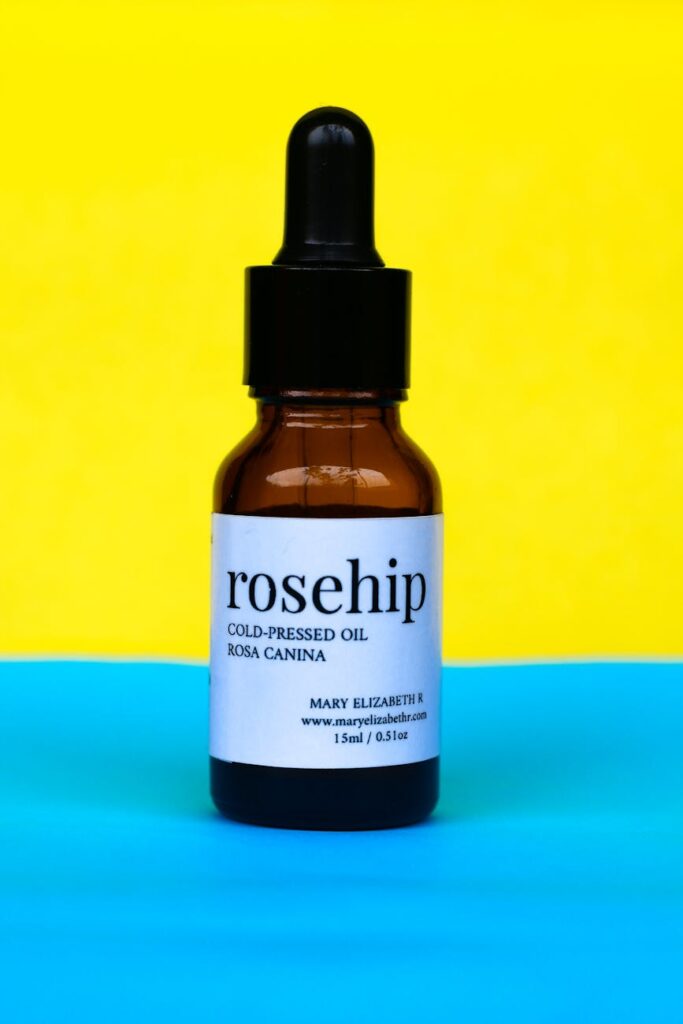
Cold-pressed rosehip oil is obtained through a mechanical extraction process that preserves the oil’s beneficial properties. Unlike other extraction methods that may involve heat or chemicals, cold pressing ensures that the oil retains its natural nutrients, vitamins, and fatty acids. The process involves harvesting the rosehip berries, which are the fruit of the rose plant, and pressing them to extract the oil. The result is a vibrant, amber-colored oil that is rich in essential fatty acids, antioxidants, and vitamins.
Key Benefits and Properties
Cold-pressed rosehip oil is celebrated for its diverse range of beneficial properties. Some of the key components include:
Nutrient-Rich Composition
- Fatty Acids: Rich in essential fatty acids, particularly linoleic acid (omega-6) and alpha-linolenic acid (omega-3), which are known to support skin health.
- Vitamins: High in vitamins A, C, and E, which contribute to a healthy complexion and may help in the repair of damaged skin.
- Antioxidants: Contains antioxidants that can help combat oxidative stress, a factor in skin aging.
- Moisturizing: The fatty acids in rosehip oil can help hydrate and nourish the skin, making it an excellent option for dry or aging skin.
- Anti-Inflammatory: Its anti-inflammatory properties may help reduce redness and irritation, benefiting conditions like eczema or rosacea.
- Healing Properties: Some studies suggest that rosehip oil may assist in the healing of scars and stretch marks.
- Facial Oil: Often applied directly to the skin as a moisturizer or blended with other oils or creams to enhance their effectiveness.
- Serum: Used in serums for added hydration and nourishment.
- Makeup Remover: Some users utilize rosehip oil as a natural makeup remover due to its ability to dissolve makeup while nourishing the skin.
- Hair Treatment: Applied to the scalp or ends of the hair to promote shine and moisture, helping to reduce dryness and breakage.
- Scalp Nourishment: Massaging rosehip oil into the scalp may promote a healthier environment for hair growth.
- Massage Oil: Its soothing properties make it a suitable choice for massage oils, often blended with other essential oils for a more aromatic experience.
- DIY Products: It can be incorporated into homemade lotions, creams, or balms due to its emollient properties.
- Lavender: For relaxation and calming effects.
- Geranium: To enhance skin benefits and promote emotional balance.
- Frankincense: For its grounding properties and potential skin rejuvenation.
- Patch Test: It is advisable to conduct a patch test before using rosehip oil extensively. Apply a small amount to a discreet area of skin and observe for any adverse reactions over 24 hours.
- Sensitivity: Some individuals may experience sensitivity or allergic reactions. If irritation occurs, discontinue use immediately.
- Cool, Dark Place: Store the oil in a cool, dark location away from direct sunlight and heat. Exposure to light and heat can cause the oil to oxidize and lose its beneficial properties.
- Tightly Sealed Container: Keep the oil in its original container or a dark glass bottle to minimize exposure to air.
Skin Benefits
Common Uses
Cold-pressed rosehip oil is versatile and can be used in various ways:
Skincare
Hair Care
Other Uses
Aromatherapy Applications
In aromatherapy, cold-pressed rosehip oil can be used as a carrier oil for diluting essential oils. It serves as an effective base for creating blends that are used for massage or other therapeutic applications. Its subtle, earthy aroma adds a grounding element to essential oil blends.
Blending with Essential Oils
Rosehip oil pairs well with various essential oils, including:
Safety Considerations
While cold-pressed rosehip oil is generally safe for most individuals, there are some important considerations to keep in mind:
Skin Sensitivity
Not for Ingestion
Cold-pressed rosehip oil is intended for topical use only and should not be ingested. It is important to keep the oil out of reach of children and pets to avoid accidental consumption.
Pregnancy and Nursing
While rosehip oil is often considered safe during pregnancy and nursing, it is best to consult with a healthcare provider before using any new products during these periods.
Storage and Shelf Life
To maximize the longevity and efficacy of cold-pressed rosehip oil, proper storage is crucial:
Ideal Storage Conditions
Shelf Life
Cold-pressed rosehip oil typically has a shelf life of 6 to 12 months when stored correctly. Always check the oil for any changes in scent or appearance before use, as these may indicate spoilage.
Frequently Asked Questions
Can I use cold-pressed rosehip oil on all skin types?
Yes, cold-pressed rosehip oil is suitable for most skin types, including oily, dry, and combination skin. Its lightweight texture allows for easy absorption without clogging pores.
Is cold-pressed rosehip oil non-comedogenic?
Rosehip oil is considered non-comedogenic, meaning it is unlikely to clog pores. However, individual reactions may vary, so it is recommended to conduct a patch test.
Can cold-pressed rosehip oil help with acne scars?
Many users report positive results when using rosehip oil on acne scars. Its high vitamin A and fatty acid content may contribute to skin regeneration and improved texture.
How often should I use rosehip oil?
Usage frequency can vary based on individual preferences and skin needs. Generally, applying it once or twice daily as part of a skincare routine is common.
Can I mix rosehip oil with other oils?
Yes, rosehip oil blends well with various carrier and essential oils, enhancing both its benefits and aroma. Always ensure that any essential oils used are appropriate for topical application.
—
Cold-pressed rosehip oil is a valuable addition to natural skincare and aromatherapy practices. With its rich nutrient profile and numerous benefits, it offers a holistic approach to skin health and wellness. By understanding its uses and safety precautions, individuals can confidently incorporate this oil into their daily routines, reaping the rewards of its natural properties.