
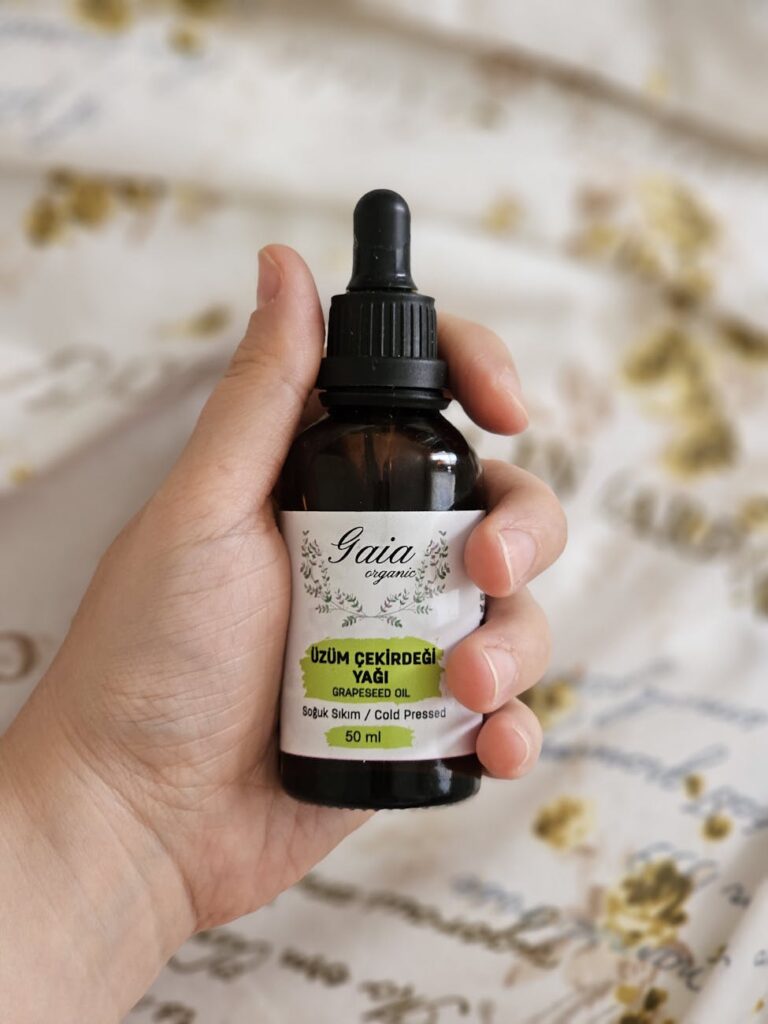
Is Cold-Pressed Safflower Oil Safe? Uses, Benefits and Precautions
Introduction
Cold-pressed safflower oil, derived from the seeds of the safflower plant (Carthamus tinctorius), has gained popularity in culinary, cosmetic, and therapeutic applications. Its extraction method retains essential nutrients, making it a preferred choice in various formulations. This article delves into the characteristics, benefits, applications, and safety considerations of cold-pressed safflower oil, providing a comprehensive overview for those interested in this versatile oil.
What Is Cold-Pressed Safflower Oil?
Cold-pressed safflower oil is produced by mechanically pressing the seeds of the safflower plant without the application of heat. This method preserves the oil’s natural properties and nutritional content, including fatty acids, vitamins, and antioxidants. The oil is typically light in color and has a mild flavor, making it suitable for various uses.
Safflower oil can be categorized into two main types based on its fatty acid composition: high-linoleic and high-oleic. High-linoleic safflower oil is rich in polyunsaturated fatty acids, particularly omega-6, while high-oleic safflower oil contains a higher percentage of monounsaturated fatty acids, which are often considered healthier for cooking and dietary purposes.
Key Benefits and Properties
Cold-pressed safflower oil boasts several beneficial properties:
1. Nutrient-Rich Composition: The oil is abundant in essential fatty acids, particularly linoleic acid, which plays a crucial role in maintaining healthy skin and cellular function. It also contains vitamin E, a powerful antioxidant that helps protect cells from oxidative stress.
2. Skin Health: Safflower oil is known for its moisturizing properties. It is easily absorbed by the skin, making it an excellent choice for topical applications. Its high linoleic acid content can help maintain the skin’s barrier function, promoting hydration and overall skin health.
3. Culinary Versatility: With a high smoke point, cold-pressed safflower oil is suitable for various cooking methods, including frying, sautéing, and baking. Its light flavor allows it to complement a wide range of dishes without overpowering other ingredients.
4. Anti-inflammatory Properties: Some studies suggest that the anti-inflammatory effects of safflower oil may aid in reducing inflammation in the body, although further research is needed to establish definitive conclusions.
5. Heart Health: The presence of unsaturated fats in safflower oil can contribute to cardiovascular health by helping to lower cholesterol levels when used in moderation as part of a balanced diet.
Common Uses
Cold-pressed safflower oil is utilized in several domains, including:
1. Culinary Uses: It is commonly used in salad dressings, marinades, and as a cooking oil due to its high smoke point and neutral flavor. It can also be incorporated into baked goods and sauces.
2. Cosmetic Applications: Safflower oil is a popular ingredient in skincare products, including lotions, creams, and lip balms. Its moisturizing properties make it suitable for dry and sensitive skin types.
3. Hair Care: The oil can be used in hair treatments to enhance shine and moisture. It is often added to shampoos and conditioners or applied directly to the hair and scalp.
4. Massage Oil: Due to its smooth texture and skin-friendly properties, cold-pressed safflower oil can be used as a carrier oil in aromatherapy and massage applications.
Aromatherapy Applications
In aromatherapy, cold-pressed safflower oil serves primarily as a carrier oil, allowing the safe application of essential oils onto the skin. Its neutral scent does not interfere with the aroma of essential oils, making it an ideal choice for blending.
Blending with Essential Oils
When blending safflower oil with essential oils, consider the following guidelines:
- Dilution Ratios: Essential oils are highly concentrated and should be diluted before topical application. A common dilution ratio is 2-3 drops of essential oil per tablespoon of carrier oil.
- Skin Sensitivity: Always conduct a patch test before applying blended oils to a larger skin area. This helps ensure that no adverse reactions occur.
- Synergistic Blends: Safflower oil can be combined with a variety of essential oils, such as lavender for relaxation, tea tree for its antimicrobial properties, and peppermint for a refreshing sensation.
- Store in a dark glass bottle to minimize light exposure.
- Keep in a cool, dry place, ideally away from heat sources like stoves or direct sunlight.
- Avoid transferring the oil to different containers frequently, as this can introduce air and contaminants.
Safety Considerations
While cold-pressed safflower oil is generally considered safe for most individuals, there are several precautions to keep in mind:
1. Allergic Reactions: Some individuals may be allergic to safflower oil. It is advisable to perform a patch test before extensive use, particularly in cosmetic applications.
2. Dietary Considerations: When incorporating safflower oil into your diet, moderation is key. Excessive intake of omega-6 fatty acids can lead to an imbalance with omega-3 fatty acids, which may contribute to inflammation over time.
3. Storage Practices: Proper storage is essential to maintain the oil’s quality. Exposure to light, heat, and air can cause the oil to become rancid. Store safflower oil in a cool, dark place and ensure the cap is tightly sealed.
4. Consultation with Professionals: If you have pre-existing health conditions or are pregnant or breastfeeding, consult a healthcare professional before using safflower oil for therapeutic purposes.
Storage and Shelf Life
Cold-pressed safflower oil has a shelf life of approximately 6 to 12 months when stored correctly. To maximize its longevity:
If the oil develops an off smell, unusual color, or flavor, it is advisable to discard it.
Frequently Asked Questions
Is cold-pressed safflower oil suitable for all skin types?
Yes, cold-pressed safflower oil is generally safe for all skin types, including sensitive skin. However, individual reactions may vary, so it is recommended to perform a patch test before full application.
Can cold-pressed safflower oil be used for cooking?
Yes, cold-pressed safflower oil is an excellent cooking oil due to its high smoke point and mild flavor. It can be used for frying, sautéing, and baking.
How should I incorporate safflower oil into my skincare routine?
You can use safflower oil as a moisturizer by applying it directly to your skin or as a carrier oil for essential oils. It can also be added to lotions and creams to enhance hydration.
What is the difference between high-linoleic and high-oleic safflower oil?
High-linoleic safflower oil contains a higher proportion of polyunsaturated fatty acids, while high-oleic safflower oil is rich in monounsaturated fats. The latter is often considered more stable for cooking and may offer additional health benefits.
Can I use safflower oil for aromatherapy?
Yes, safflower oil can be used as a carrier oil in aromatherapy blends. Its neutral scent allows it to effectively carry the aromas of essential oils.
Conclusion
Cold-pressed safflower oil is a versatile oil with numerous benefits and applications in culinary, cosmetic, and therapeutic domains. While it is generally safe for most individuals, it is essential to take appropriate precautions and consult professionals when necessary. By understanding its properties and uses, you can effectively incorporate cold-pressed safflower oil into your daily routine, enhancing both your culinary experiences and personal care practices.