
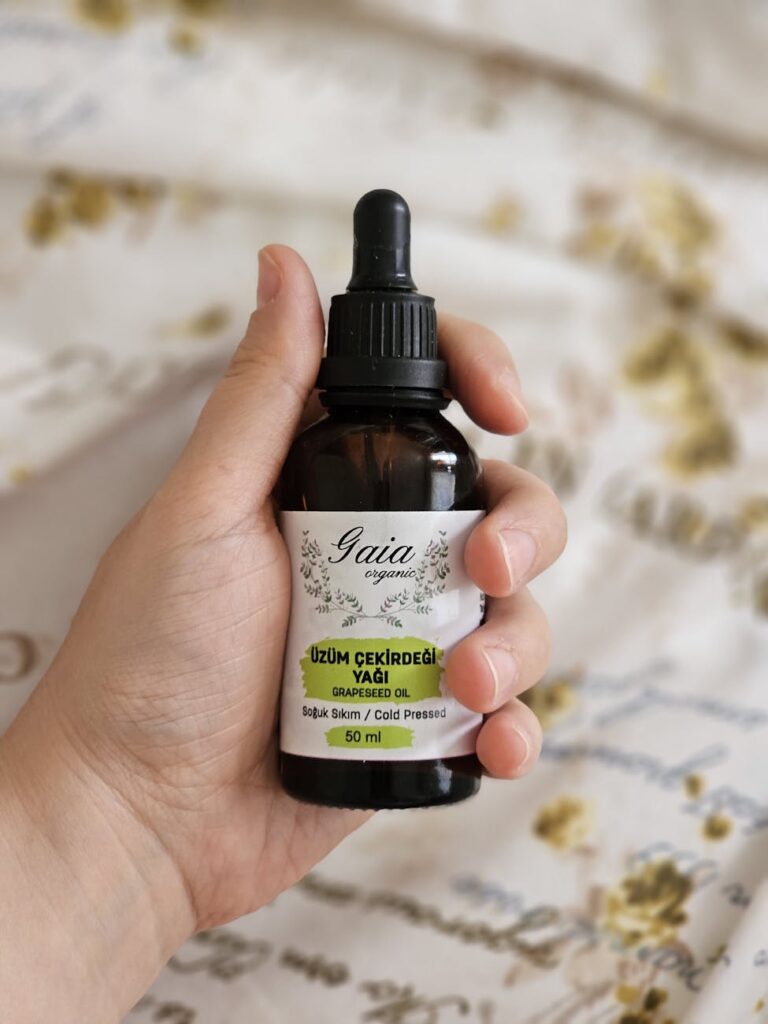
Is Cold-Pressed Walnut Oil Safe? Uses, Benefits, and Precautions
Introduction
Cold-pressed walnut oil has garnered attention not only as a culinary staple but also for its potential benefits in aromatherapy and skincare. Extracted from the nuts of the walnut tree (Juglans regia), this oil is celebrated for its distinct flavor and rich nutrient profile. However, as with any natural product, understanding its properties, uses, and safety precautions is essential for informed use. This article will delve into the characteristics of cold-pressed walnut oil, its benefits, applications, safety considerations, and more.
What Is Cold-Pressed Walnut Oil?
Cold-pressed walnut oil is obtained through the mechanical pressing of walnuts without the application of heat. This method preserves the oil’s natural properties, flavors, and nutrients, making it a preferred choice among culinary enthusiasts and health-conscious consumers. The oil is typically golden to dark amber in color and has a rich, nutty aroma that can enhance various dishes.
Cold pressing not only ensures a higher quality oil but also maintains the delicate balance of fatty acids, antioxidants, and vitamins present in walnuts. These qualities contribute to its popularity in both cooking and natural health applications.
Key Benefits and Properties
Cold-pressed walnut oil is rich in several essential nutrients, making it beneficial for various applications:
1. Nutrient-Rich Composition:
- Fatty Acids: Walnut oil is particularly high in polyunsaturated fats, especially omega-3 and omega-6 fatty acids, which are essential for maintaining heart health and reducing inflammation.
- Vitamins: It contains important vitamins such as E and B vitamins, which are known for their antioxidant properties and roles in skin and hair health.
- The oil is rich in antioxidants, including ellagic acid and other phenolic compounds, which help combat oxidative stress and may support overall health.
- The omega fatty acids in walnut oil may help reduce inflammation in the body, contributing to improved joint health and overall wellness.
- Walnut oil is often used in skincare formulations due to its moisturizing properties, making it suitable for dry or mature skin.
- The unique flavor profile of walnut oil makes it an excellent choice for salad dressings, marinades, and as a finishing oil for various dishes.
- It can be used in salad dressings, drizzled over vegetables, or added to sauces. However, it is not recommended for high-heat cooking due to its low smoke point.
- Walnut oil can be applied topically to hydrate and nourish the skin. It is often found in creams, lotions, and massage oils.
- The oil can be used as a natural hair conditioner, helping to moisturize and add shine.
- While not commonly used as a primary essential oil, walnut oil can serve as a carrier oil for diluting essential oils in aromatherapy applications.
- To create a massage oil, mix a few drops of essential oil with a tablespoon of walnut oil. Common essential oils that pair well include lavender, rosemary, and eucalyptus.
- While walnut oil itself is not typically diffused, it can be blended with essential oils that are, enhancing the aroma in a room.
- Adding walnut oil to bathwater can provide skin hydration and a soothing experience.
- Individuals with nut allergies should avoid walnut oil, as it may trigger allergic reactions.
- A patch test is recommended before using walnut oil on the skin to check for any sensitivity or irritation.
- When using walnut oil as a carrier oil for essential oils, it is crucial to adhere to recommended dilution ratios to avoid skin irritation.
- While walnut oil is generally regarded as safe, those who are pregnant or nursing should consult healthcare professionals before use, particularly in concentrated forms.
- Due to its susceptibility to oxidation, proper storage is essential to maintain the oil’s quality.
- Store walnut oil in a cool, dark place, away from direct sunlight and heat sources. A refrigerator is often a good option, especially in warmer climates.
- Use a dark glass bottle to protect the oil from light exposure, which can lead to rancidity.
- Typically, cold-pressed walnut oil has a shelf life of about 6 to 12 months when stored correctly. Always check for off odors or changes in appearance before use.
2. Antioxidant Properties:
3. Anti-Inflammatory Effects:
4. Skin Nourishment:
5. Culinary Uses:
Common Uses
Cold-pressed walnut oil has a variety of applications across different domains:
1. Culinary Uses:
2. Skincare:
3. Hair Care:
4. Aromatherapy:
Aromatherapy Applications
In the field of aromatherapy, cold-pressed walnut oil is primarily utilized as a carrier oil. Carrier oils are used to dilute essential oils, which can be potent and may cause skin irritation when applied directly. Walnut oil’s moisturizing properties make it an excellent choice for blending with various essential oils.
How to Use in Aromatherapy
1. Dilution:
2. Diffusion:
3. Bath Additive:
Safety Considerations
While cold-pressed walnut oil is generally safe for most people, certain precautions should be taken:
1. Allergic Reactions:
2. Skin Sensitivity:
3. Proper Dilution:
4. Pregnancy and Nursing:
5. Storage:
Storage and Shelf Life
To ensure the longevity and efficacy of cold-pressed walnut oil, proper storage is vital:
1. Storage Conditions:
2. Container:
3. Shelf Life:
Frequently Asked Questions
1. Can cold-pressed walnut oil be used for cooking?
Yes, cold-pressed walnut oil can be used for salad dressings and as a finishing oil, but it is not recommended for high-heat cooking due to its low smoke point.
2. Is cold-pressed walnut oil suitable for all skin types?
While walnut oil is generally safe for most skin types, individuals with nut allergies or sensitive skin should conduct a patch test before use.
3. How can I incorporate walnut oil into my skincare routine?
Walnut oil can be used as a moisturizer, added to homemade skincare formulations, or used in massage oils when blended with essential oils.
4. Can walnut oil go rancid?
Yes, walnut oil can go rancid if not stored properly. Always check for off odors or changes in appearance before use.
5. Where can I purchase cold-pressed walnut oil?
Cold-pressed walnut oil is available at health food stores, specialty grocery stores, and online retailers. Look for products labeled as “cold-pressed” for the best quality.
Conclusion
Cold-pressed walnut oil is a versatile and nutrient-rich oil with applications in culinary practices, skincare, and aromatherapy. Understanding its benefits and safety considerations allows users to maximize its potential while minimizing risks. With proper storage and mindful usage, cold-pressed walnut oil can be a valuable addition to both your kitchen and personal care regime. Whether utilized for its distinct flavor or nourishing properties, this oil holds a prominent place in the realm of natural products.