
Is Diffuser Blends Safe? Uses, Benefits and Precautions
Introduction
In recent years, the popularity of essential oils and diffuser blends has surged, finding their way into homes, wellness practices, and even commercial spaces. While many individuals enjoy the aromatic properties and therapeutic benefits of these blends, questions often arise about their safety, applications, and best practices. This article aims to provide an in-depth exploration of diffuser blends, addressing their uses, benefits, precautions, and storage considerations.
What Is Diffuser Blends?
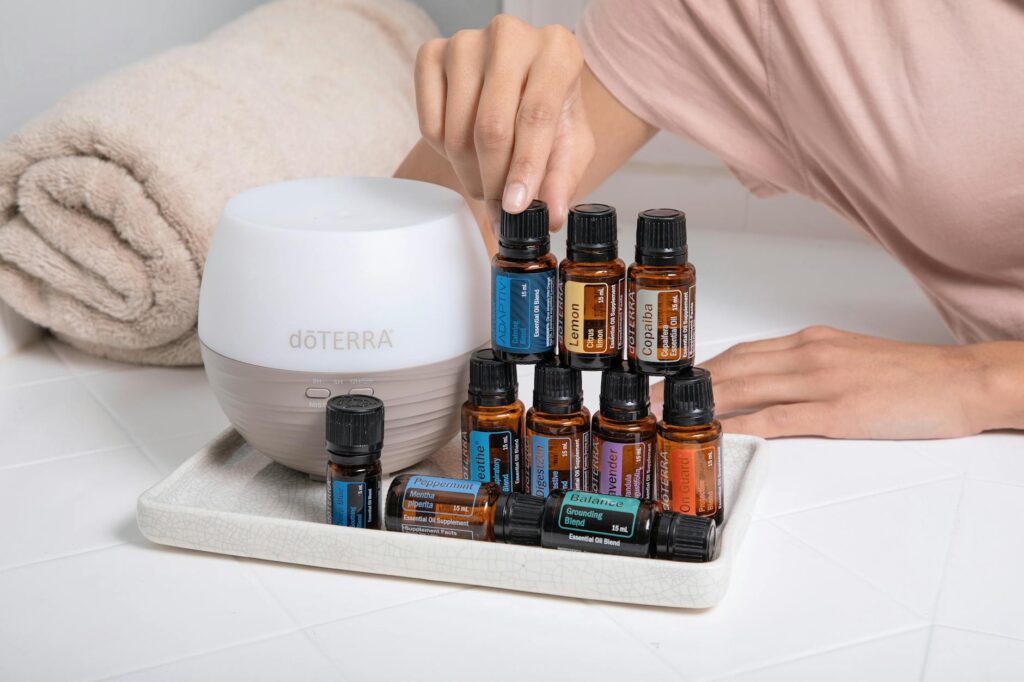
Diffuser blends are specific combinations of essential oils designed to be used in diffusers—devices that disperse essential oils into the air, allowing their aromas to fill a space. These blends can be pre-made or custom-created, offering a variety of scents and therapeutic properties. They can be used in ultrasonic diffusers, nebulizing diffusers, or heat diffusers, each of which operates differently but serves the same purpose of enhancing the ambiance and atmosphere of a room.
Composition
Essential oils, the primary ingredients in diffuser blends, are concentrated plant extracts obtained through various methods such as steam distillation or cold pressing. Each essential oil possesses unique aromatic compounds that contribute to its scent and potential benefits. When combined into blends, these oils can complement each other, enhancing their overall effect and aroma.
Key Benefits and Properties
Aromatic Benefits
The most immediate benefit of using diffuser blends is their ability to enhance the olfactory experience in a space. The pleasant scents can create a welcoming environment, mask unpleasant odors, or evoke specific moods, such as calmness or alertness.
Emotional and Psychological Effects
Many essential oils are believed to have emotional properties that can influence mood and mental well-being. For example, lavender is often associated with relaxation, while citrus oils like lemon and orange can promote feelings of happiness and energy. Diffusing these blends may help create a more positive atmosphere.
Environmental Benefits
Diffuser blends can also contribute to a fresher indoor environment. Certain essential oils have natural antibacterial and antifungal properties, which may help purify the air and reduce airborne pathogens, although this should not be considered a substitute for proper cleaning and ventilation.
Common Uses
Home Environment
Diffuser blends are commonly used in residential settings for relaxation, focus, or simply to create an inviting atmosphere. They can be employed in various rooms, including living areas, bedrooms, and bathrooms.
Wellness Centers and Spas
Many wellness centers and spas incorporate diffuser blends into their practices to enhance relaxation during treatments. The calming aromas can help clients unwind and enhance their overall experience.
Office Spaces
In professional environments, diffuser blends can be utilized to promote concentration and reduce stress. Essential oils like peppermint or rosemary are often used in workplaces to help improve focus and alertness.
Special Occasions
Diffuser blends can also be used during events, such as yoga classes, meditation sessions, or gatherings, to create a specific ambiance. Seasonal blends can enhance celebrations like holidays or special occasions.
Aromatherapy Applications
Aromatherapy, the practice of using essential oils for therapeutic purposes, often employs diffuser blends to promote well-being. Different blends can be tailored to specific needs, such as stress relief, mood enhancement, or energy boosting. It is important to consider individual preferences and sensitivities when selecting blends for aromatherapy.
Custom Blends
Creating custom diffuser blends allows individuals to tailor scents to their personal preferences and therapeutic goals. Popular combinations include lavender and chamomile for relaxation, eucalyptus and tea tree for respiratory benefits, and citrus oils with mint for an uplifting experience.
Safety Considerations
While diffuser blends are generally considered safe for most individuals, several precautions should be taken into account to ensure a safe and enjoyable experience.
Sensitivities and Allergies
Before using a new essential oil or blend, it is crucial to be aware of any sensitivities or allergies. Conducting a patch test or diffusing a small amount in a well-ventilated area can help gauge reactions. Pregnant individuals, children, and pets may also have unique sensitivities to certain essential oils.
Dilution
While diffusing does not require the same dilution as topical application, it is still important to use the appropriate amount of essential oil. Generally, a few drops (3-10) per 100 ml of water in the diffuser is recommended. Avoid overloading the diffuser with oils, as this can lead to overwhelming scents and potential irritation.
Ventilation
Ensuring adequate ventilation in the space where the diffuser is used is essential. Closed-off spaces can lead to the buildup of concentrated aromas, which may cause headaches or respiratory discomfort for some individuals.
Duration of Diffusion
Limiting the duration of diffusion is advisable. Continuous diffusion for extended periods may lead to olfactory fatigue or irritation. It is recommended to diffuse for about 30-60 minutes at a time, followed by breaks.
Storage and Shelf Life
Proper storage of essential oils and diffuser blends is crucial for maintaining their potency and effectiveness. Essential oils should be stored in dark glass bottles, away from direct sunlight and heat sources, to prevent degradation.
Shelf Life
The shelf life of essential oils can vary, typically ranging from 1 to 5 years, depending on the type of oil and storage conditions. Citrus oils tend to have a shorter shelf life, while oils like sandalwood or patchouli may last longer. It is advisable to check for any changes in scent, color, or consistency before use.
Frequently Asked Questions
1. Can I mix different essential oils to create my own diffuser blend?
Yes, you can create your own custom diffuser blends by mixing different essential oils. It is best to start with a few complementary oils and adjust based on your preferences.
2. Are all essential oils safe for diffusing?
Not all essential oils are safe for diffusing. Some oils, such as those derived from certain herbs or plants, may be irritating or toxic when inhaled. Research the safety of each oil before using it in a diffuser.
3. How can I clean my diffuser?
To clean your diffuser, empty any remaining water and essential oil, then wipe the interior with a soft cloth. You can use a mixture of water and vinegar or rubbing alcohol for deeper cleaning. Rinse thoroughly before using it again.
4. Can I use diffuser blends around my pets?
While some essential oils are safe for pets, others can be harmful. It is advisable to research specific oils and consult with a veterinarian regarding their safety before using them around animals.
5. How often should I change the water in my diffuser?
It is best to change the water in your diffuser each time you use it. This helps maintain the quality of the aroma and prevents any buildup of residue.
Conclusion
Diffuser blends offer a myriad of benefits, from enhancing emotional well-being to creating a pleasant environment. However, it is essential to approach their use with knowledge and caution. By understanding the properties, applications, and safety considerations associated with these blends, individuals can maximize their enjoyment and benefits while minimizing any potential risks. Whether for relaxation, focus, or simply to enjoy delightful aromas, diffuser blends can be a valuable addition to everyday life.