
Is DIY Aromatherapy Recipes for Chakra Balancing Safe? Uses, Benefits and Precautions
Introduction
Aromatherapy has gained recognition as a holistic approach to enhance well-being. One specific application of aromatherapy is chakra balancing, a practice rooted in ancient spiritual traditions. Chakras are believed to be energy centers in the body that influence physical, emotional, and spiritual health. This article explores the safety, uses, benefits, and precautions associated with DIY aromatherapy recipes aimed at balancing the chakras.
What Is DIY Aromatherapy Recipes for Chakra Balancing?
DIY aromatherapy recipes for chakra balancing involve the use of essential oils blended in specific ways to target each of the seven chakras: Root, Sacral, Solar Plexus, Heart, Throat, Third Eye, and Crown. Each chakra corresponds to different emotional and physical aspects of our lives. For instance, the Root chakra relates to stability and security, while the Heart chakra involves love and compassion.
Creating these recipes typically involves selecting essential oils that resonate with the qualities of each chakra. For example, grounding oils such as cedarwood and patchouli may be used for the Root chakra, while uplifting oils like rose and geranium might be chosen for the Heart chakra.
Key Benefits and Properties
Using essential oils for chakra balancing can offer various benefits, including:
1. Emotional Support: Essential oils can help to alleviate feelings of anxiety, stress, and emotional blockages related to imbalances in specific chakras.
2. Enhanced Meditation: Aromatherapy can deepen meditation practices, allowing individuals to connect more profoundly with their spiritual selves and facilitate chakra alignment.
3. Physical Well-being: Although not a substitute for medical treatment, certain essential oils are believed to promote relaxation and well-being, which may indirectly support physical health.
4. Holistic Approach: DIY recipes allow individuals to tailor their aromatherapy experience to their unique needs, creating a personalized path to emotional and spiritual balance.
5. Connection to Nature: Working with essential oils fosters a relationship with nature, enhancing mindfulness and appreciation for the natural world.
Common Uses
DIY aromatherapy recipes for chakra balancing can be implemented in various settings, including:
- Personal Meditation: Essential oils can be diffused or applied topically before or during meditation sessions to facilitate a deeper connection with the chakras.
- Home Environment: Aromatic blends can be used in diffusers or sprays to create an atmosphere conducive to relaxation and spiritual practices.
- Massage Therapy: When diluted properly, essential oils can be incorporated into massage oils that focus on specific chakra points, enhancing physical and energetic healing.
- Bath Soaks: Adding essential oils to bath water can provide a soothing environment for chakra balancing while promoting relaxation.
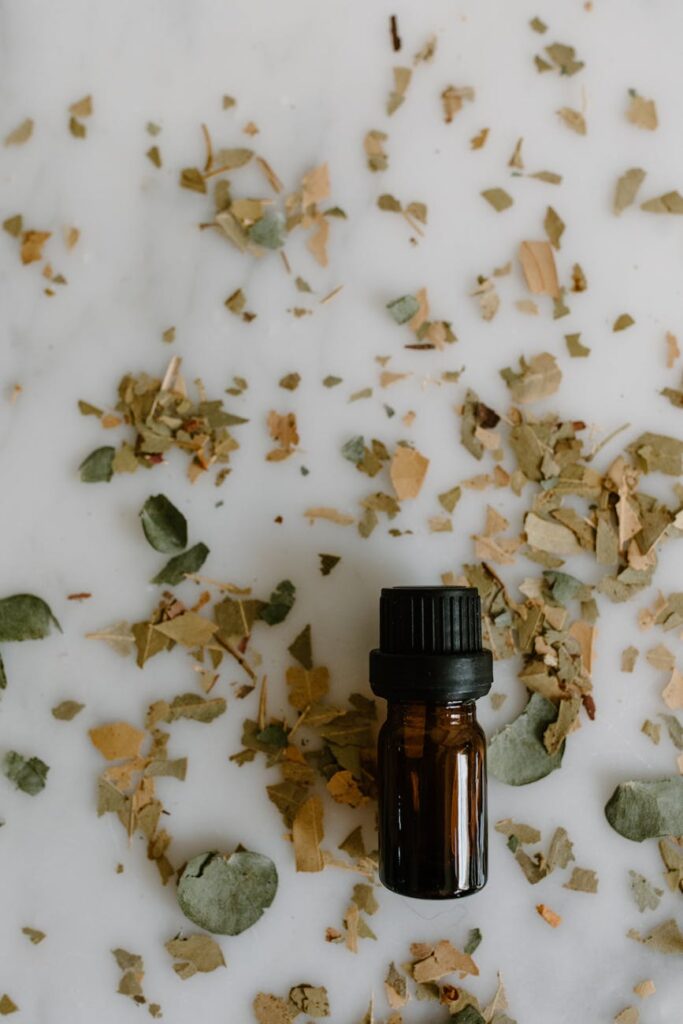
- Dark Glass Containers: Essential oils should be stored in dark glass bottles to protect them from light, which can degrade their quality.
- Cool, Dry Place: Keep oils away from heat sources and humidity. A cool, dark cabinet is ideal for storage.
- Expiration: While pure essential oils do not have a strict expiration date, they can degrade over time. Most oils have a shelf life of 1-3 years, depending on the type and storage conditions.
- Labeling: Always label your blends with the ingredients and date of creation. This practice will help track freshness and ensure safe usage.
Aromatherapy Applications
Various methods can be employed for applying essential oils in chakra balancing:
1. Diffusion: Using an essential oil diffuser disperses the aroma throughout a room, allowing for an immersive experience.
2. Topical Application: Essential oils can be mixed with carrier oils (like jojoba or coconut oil) for safe application on pulse points or chakra centers.
3. Inhalation: Simply inhaling the aroma from a bottle or an oil-infused cotton ball can provide immediate benefits.
4. Bathing: Adding essential oils to bathwater can create a tranquil setting that encourages relaxation and chakra alignment.
5. Room Sprays: Creating a room spray with essential oils can enhance the overall atmosphere of a space, promoting harmony and balance.
Safety Considerations
While DIY aromatherapy can be beneficial, certain precautions should be taken:
1. Essential Oil Quality: Always choose high-quality, pure essential oils. Synthetic fragrances can lead to adverse reactions and do not offer the same benefits.
2. Dilution: Essential oils should be diluted with a carrier oil to prevent skin irritation. A general guideline is to use 1-2 drops of essential oil per teaspoon of carrier oil.
3. Allergies and Sensitivities: Conduct a patch test before applying any new essential oil to the skin. If irritation occurs, discontinue use immediately.
4. Pregnancy and Nursing: Some essential oils are contraindicated during pregnancy or while nursing. Always consult a qualified professional if you have concerns.
5. Medical Conditions: Individuals with specific medical conditions should exercise caution and consult healthcare professionals before using essential oils.
6. Children and Pets: Some essential oils may be unsafe for use around children or pets. Research the specific oils you plan to use and their suitability for different age groups and animals.
Storage and Shelf Life
Proper storage of essential oils is crucial to maintain their potency and safety:
Frequently Asked Questions
1. Can anyone practice DIY aromatherapy for chakra balancing?
Yes, anyone can practice DIY aromatherapy, but it is essential to educate oneself about the properties of essential oils and the specific needs associated with each chakra.
2. How do I choose the right essential oils for my chakras?
Research each chakra to understand its associated qualities and challenges. Select oils that resonate with these attributes and your personal preferences.
3. How often can I use these recipes?
Frequency of use depends on individual needs and preferences. It may be beneficial to incorporate these practices into a regular routine, such as during meditation or yoga sessions.
4. Are there any contraindicated essential oils?
Yes, certain essential oils are known to be contraindicated for specific conditions or populations. Always do thorough research or consult a professional if unsure.
5. Can I mix different essential oils in a single recipe?
Yes, blending essential oils can enhance the therapeutic effects, but it is important to ensure that the combined oils complement each other and are safe for your intended use.
Conclusion
DIY aromatherapy recipes for chakra balancing can be a safe and enriching practice when approached with knowledge and care. By understanding the properties of essential oils, their applications, and taking necessary safety precautions, individuals can explore the benefits of chakra balancing through the art of aromatherapy. This holistic practice not only fosters emotional and spiritual alignment but also nurtures a deeper connection with oneself and the natural world.