
Is DIY Aromatherapy Recipes for Digestive Support Safe? Uses, Benefits and Precautions
Introduction
Aromatherapy, the practice of using essential oils for therapeutic purposes, has gained popularity in recent years for its potential benefits in enhancing physical and emotional well-being. One area where aromatherapy can be particularly beneficial is in digestive support. This article explores DIY aromatherapy recipes specifically designed for digestive health, examining their uses, benefits, and necessary precautions.
What Is DIY Aromatherapy Recipes for Digestive Support?
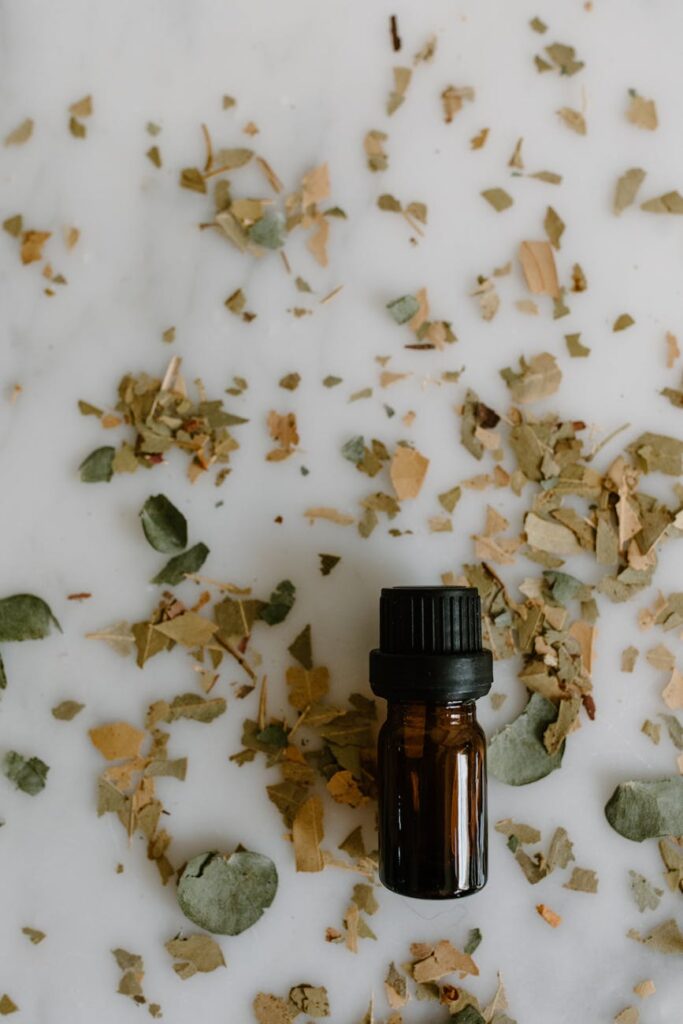
DIY aromatherapy recipes for digestive support involve blending specific essential oils known for their digestive properties with carrier oils or other bases to create topical applications, inhalants, or even household products. These recipes can be simple to create at home, allowing individuals to tailor them to their personal preferences and needs.
Essential oils are concentrated plant extracts obtained through various methods, including steam distillation and cold pressing. Each essential oil possesses unique properties that may contribute to digestive comfort, aiding in issues such as bloating, indigestion, and nausea.
Key Benefits and Properties
The benefits of using essential oils for digestive support stem from their varied phytochemical profiles, which can include:
- Carminative Properties: Certain essential oils, such as peppermint and ginger, can help soothe gastrointestinal discomfort and reduce bloating by promoting the expulsion of gas.
- Anti-inflammatory Effects: Oils like chamomile and fennel may help alleviate inflammation within the digestive tract, contributing to overall digestive health.
- Antimicrobial Activity: Essential oils such as oregano and tea tree possess antimicrobial properties that could help maintain a balanced gut flora.
- Relaxation and Stress Relief: Emotional well-being is closely linked to digestive health. Oils like lavender and bergamot can promote relaxation, potentially easing tension that may exacerbate digestive issues.
- 2 tablespoons carrier oil (e.g., sweet almond or jojoba oil)
- 3 drops peppermint essential oil
- 3 drops ginger essential oil
- 2 drops fennel essential oil
- 5 drops lavender essential oil
- 5 drops bergamot essential oil
- 5 drops chamomile essential oil
- 1 cup Epsom salt
- 10 drops geranium essential oil
- 5 drops lemon essential oil
- 5 drops peppermint essential oil
- 2 cups warm water
- 5 drops ginger essential oil
- 5 drops chamomile essential oil
- Dark Glass Bottles: Store essential oils in dark glass containers to protect them from light exposure, which can degrade their quality.
- Cool, Dry Place: Keep oils in a cool, dry environment, away from direct sunlight and heat sources.
- Expiration: Most essential oils have a shelf life of 1 to 3 years, but this can vary. Check for changes in scent, color, or viscosity, which may indicate degradation.
Common Uses
DIY aromatherapy recipes for digestive support can be tailored for various applications, including:
1. Topical Blends: Massaging a blend of essential oils with a carrier oil onto the abdomen can provide localized relief.
2. Inhalation: Using essential oils in a diffuser or inhaling them directly can help ease nausea and promote relaxation.
3. Baths: Adding essential oils to bathwater can create a soothing environment that promotes relaxation and digestive comfort.
4. Compresses: Applying a warm or cool compress infused with essential oils can help relieve discomfort in the abdominal area.
Aromatherapy Applications
Here are some popular DIY recipes for digestive support:
1. Digestive Relief Massage Oil
Ingredients:
Instructions:
1. In a small bowl, combine the carrier oil with the essential oils.
2. Mix thoroughly and store in a dark glass bottle.
3. Massage gently onto the abdomen in a clockwise direction.
2. Calming Digestive Inhalation Blend
Ingredients:
Instructions:
1. Combine essential oils in a small glass bottle.
2. Add a few drops to a diffuser or inhale directly from the bottle when needed for calming support.
3. Digestive Soothing Bath
Ingredients:
Instructions:
1. Mix Epsom salt with essential oils in a bowl.
2. Add to warm bathwater and soak for at least 20 minutes.
4. Warm Compress for Bloating
Ingredients:
Instructions:
1. Mix essential oils into warm water.
2. Soak a cloth in the mixture, wring it out, and apply it to the abdomen.
Safety Considerations
While DIY aromatherapy can be a beneficial practice, it is essential to approach it with caution:
1. Dilution: Always dilute essential oils with a carrier oil before topical application to minimize skin irritation. A general guideline is to use 1-2 drops of essential oil per teaspoon of carrier oil.
2. Allergies and Sensitivities: Conduct a patch test before using any new essential oil to check for allergic reactions. Apply a small amount to a discreet area of skin and wait 24 hours to observe any adverse effects.
3. Quality of Essential Oils: Choose high-quality, pure essential oils from reputable sources. Adulterated oils may not provide the desired benefits and could pose health risks.
4. Consultation: If you are pregnant, breastfeeding, or have underlying health conditions, consult a healthcare professional before using essential oils.
5. Not for Ingestion: Most essential oils are not intended for internal use. Avoid ingesting essential oils unless specifically advised by a qualified professional.
Storage and Shelf Life
To maintain the integrity and potency of essential oils, proper storage is essential:
Frequently Asked Questions
1. Can essential oils replace conventional medicine for digestive support?
While essential oils may provide complementary support, they should not be viewed as a replacement for conventional medical treatments. It is always best to seek professional medical advice for persistent digestive issues.
2. Are there any essential oils to avoid during pregnancy?
Certain essential oils, such as rosemary, sage, and clary sage, are generally advised against during pregnancy. Always consult a healthcare professional before using essential oils while pregnant.
3. Can children use essential oils?
Yes, but with caution. Essential oils should be diluted more significantly for children, and certain oils may not be suitable for young ones. Consult a healthcare professional for guidance.
4. How do I know which essential oils are best for my digestive issues?
Identifying the best essential oils for your specific digestive concerns may involve some research and personal experimentation. Oils like peppermint, ginger, and chamomile are commonly recommended for digestive support.
5. How often can I use DIY aromatherapy recipes for digestive support?
The frequency of use can depend on individual sensitivity and the specific recipe. Generally, using a blend 1-3 times daily is common, but it’s essential to listen to your body and adjust as needed.
Conclusion
DIY aromatherapy recipes for digestive support present a natural and holistic approach to promoting digestive health. While the potential benefits are numerous, it is crucial to approach this practice with mindfulness regarding safety, quality, and individual needs. By understanding the properties of different essential oils and adhering to best practices, individuals can explore the soothing world of aromatherapy to support their digestive wellness. Always prioritize personal safety and consult professionals when necessary to ensure a balanced approach to health and well-being.