
Is DIY Aromatherapy Recipes for Focus and Concentration Safe? Uses, Benefits, and Precautions
Introduction
In an ever-evolving world filled with distractions, many individuals are seeking natural methods to enhance their focus and concentration. Aromatherapy, a holistic practice that utilizes essential oils to promote physical and emotional well-being, has emerged as a popular option. This article explores DIY aromatherapy recipes specifically designed for enhancing focus and concentration, examining their safety, benefits, common uses, applications, and precautions.
What Is DIY Aromatherapy Recipes for Focus and Concentration?
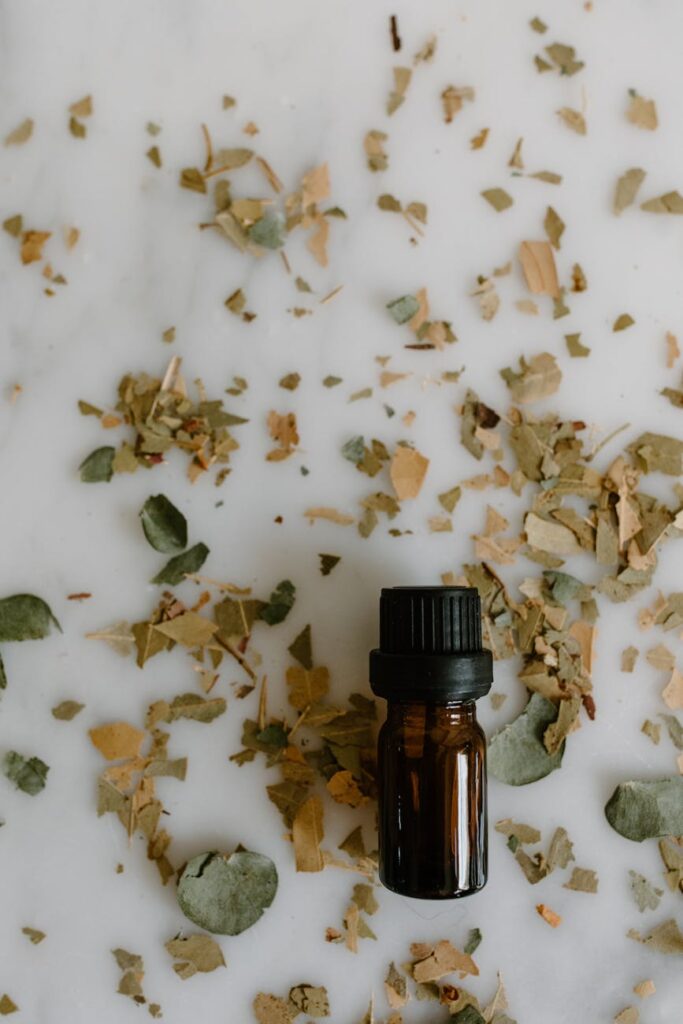
DIY aromatherapy recipes refer to the practice of creating custom blends of essential oils at home to achieve specific outcomes, such as improved focus and concentration. Essential oils are highly concentrated extracts derived from plants, capturing their aromatic properties. When used thoughtfully, these oils can stimulate the senses and promote a sense of alertness and clarity.
Common essential oils used for focus and concentration include:
- Peppermint (Mentha piperita): Known for its invigorating scent, peppermint is often associated with increased alertness.
- Rosemary (Salvia rosmarinus): This herb is reputed to enhance memory and cognitive performance.
- Lemon (Citrus limon): The bright, uplifting aroma of lemon can help elevate mood and mental clarity.
- Basil (Ocimum basilicum): Often used to reduce mental fatigue and improve focus.
- Stimulating Effects: Many essential oils possess stimulating properties that can help enhance alertness and reduce fatigue.
- Mood Enhancement: Certain oils can positively influence mood, making it easier to concentrate on tasks.
- Stress Reduction: Aromatherapy can promote relaxation and reduce anxiety, which may otherwise hinder focus.
- Cognitive Support: Some essential oils are believed to improve cognitive function, aiding memory and clarity.
- Home Office: Blending essential oils in a diffuser can create a conducive workspace, promoting focus during tasks.
- Study Sessions: Students often use essential oils to improve concentration while studying or completing assignments.
- Creative Projects: Artists and writers may benefit from the stimulating properties of certain oils to enhance creativity and focus.
- Meditation and Mindfulness: Incorporating essential oils into meditation practices can deepen the experience and enhance mental clarity.
- Keep Away from Light: Store essential oils in dark glass bottles to protect them from UV light, which can degrade their quality.
- Cool, Dry Place: Essential oils should be stored in a cool, dry place, away from heat sources and humidity.
- Expiration: Most essential oils have a shelf life of 1 to 3 years, depending on the type. Citrus oils, for example, tend to have a shorter shelf life than woody or resinous oils. Regularly check for changes in scent or consistency.
DIY recipes can be easily created using these and other essential oils, allowing individuals to tailor their blends to personal preferences and needs.
Key Benefits and Properties
The benefits of using essential oils for focus and concentration are numerous. Here are some key properties that make them effective:
While scientific research on the specific effects of aromatherapy for focus is limited, anecdotal evidence supports its use as a complementary approach to enhancing mental performance.
Common Uses
DIY aromatherapy recipes for focus and concentration can be employed in various settings. Here are some common uses:
Aromatherapy Applications
There are several methods to apply DIY aromatherapy recipes for focus and concentration:
1. Diffusion
Using an essential oil diffuser is one of the most common ways to disperse the aroma throughout a space. Simply add a few drops of your chosen oil or blend to the diffuser, fill it with water, and let it run. This method allows for long-lasting exposure and is ideal for work or study environments.
2. Inhalation
Direct inhalation of essential oils can provide immediate effects. Place a few drops of essential oil on a cotton ball, tissue, or your palms and inhale deeply. This method is particularly useful during moments of fatigue or distraction.
3. Topical Application
Diluting essential oils in carrier oils (such as sweet almond, jojoba, or coconut oil) allows for safe topical application. Apply the blend to pulse points, such as wrists or temples, for a localized effect. It is essential to perform a patch test to check for any allergic reactions before extensive use.
4. Bathing
Adding essential oils to a warm bath can create a calming atmosphere while promoting focus. Mix essential oils with a carrier oil or Epsom salts before adding them to bathwater to ensure they disperse evenly.
Safety Considerations
While DIY aromatherapy can be a beneficial practice, safety is paramount. Here are some important precautions to consider:
1. Quality of Essential Oils
Always choose high-quality, pure essential oils from reputable suppliers. Synthetic or poorly sourced oils may contain additives that can cause adverse reactions.
2. Dilution
Essential oils are potent and should be diluted before topical application. Generally, a dilution of 1-2% (1-2 drops of essential oil per teaspoon of carrier oil) is recommended for adults. For children, the dilution should be even lower.
3. Allergies and Sensitivities
Individuals with allergies or sensitivities should perform a patch test before using any new essential oil. If irritation occurs, discontinue use immediately.
4. Medical Conditions and Medications
Consult with a healthcare professional before using essential oils if you are pregnant, nursing, or have pre-existing medical conditions, as certain oils may interact with medications.
5. Environment
Ensure proper ventilation when diffusing essential oils, especially in small or enclosed spaces. Some individuals may be sensitive to strong scents, so it’s essential to consider the comfort of others in the environment.
Storage and Shelf Life
Proper storage of essential oils is crucial to maintaining their potency and effectiveness. Here are some tips for storage:
Frequently Asked Questions
1. Can I use essential oils if I have allergies?
If you have allergies, it is essential to perform a patch test before using any essential oil. Consult with a healthcare provider if you have specific concerns.
2. Are there any essential oils to avoid during pregnancy?
Certain essential oils are considered unsafe during pregnancy, including but not limited to, rosemary, sage, and wintergreen. Always consult a healthcare professional before using essential oils if you are pregnant or nursing.
3. How often can I use DIY aromatherapy recipes?
The frequency of use can vary depending on individual preferences and sensitivities. It’s advisable to listen to your body and use essential oils as needed, ensuring proper dilution and safety measures.
4. Can I mix different essential oils?
Yes, creating custom blends is one of the benefits of DIY aromatherapy. However, it’s essential to research the properties of each oil and ensure they complement each other.
5. Are there any side effects associated with essential oils?
While many people use essential oils without issue, some may experience skin irritation, allergic reactions, or respiratory issues. Always use caution and consult a professional if you have concerns.
Conclusion
DIY aromatherapy recipes for focus and concentration present a natural and enjoyable way to enhance mental clarity and productivity. By understanding the benefits, common uses, and safety precautions, individuals can safely explore the world of essential oils to find their ideal blends. While aromatherapy can be a valuable addition to personal wellness routines, it should be approached with respect and mindfulness to ensure a positive experience.