
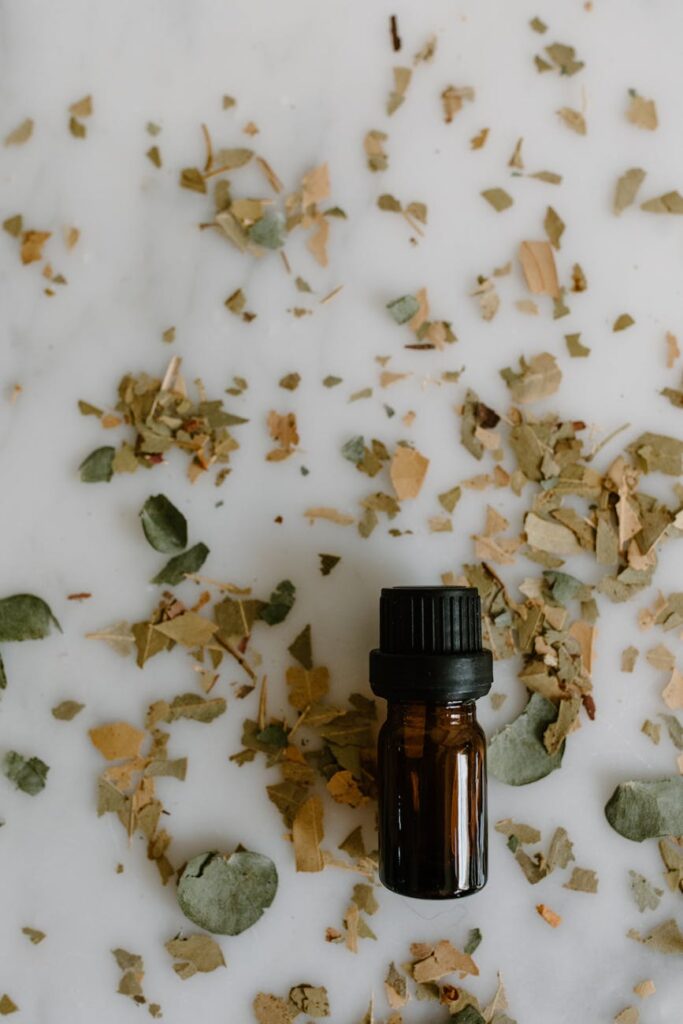
Is DIY Aromatherapy Recipes for Mood Upliftment Safe? Uses, Benefits and Precautions
Introduction
Aromatherapy has garnered significant attention in recent years as a holistic approach to promoting well-being. Utilizing the natural essence of plants, essential oils are believed to influence mood and emotional states. DIY aromatherapy recipes for mood upliftment are particularly popular among those seeking to enhance their emotional well-being in a natural way. This article explores the safety, benefits, common uses, applications, and precautions associated with these DIY recipes.
What Is DIY Aromatherapy Recipes for Mood Upliftment?
DIY aromatherapy recipes for mood upliftment involve the blending of various essential oils to create a personalized formula aimed at enhancing emotional states. These recipes typically combine essential oils known for their uplifting properties, such as citrus oils, floral oils, and herbaceous scents. The practice is rooted in the belief that inhaling or applying these concentrated plant extracts can positively influence mood and mental clarity.
Key Benefits and Properties
The potential benefits of aromatherapy for mood upliftment are numerous:
1. Mood Enhancement: Many essential oils like bergamot, lavender, and ylang-ylang are known for their uplifting properties. They can create a sense of calm and happiness, helping to alleviate feelings of stress and anxiety.
2. Stress Reduction: Aromatherapy can help lower cortisol levels, the hormone associated with stress. Oils such as chamomile and frankincense have calming effects that can contribute to relaxation.
3. Improved Focus and Clarity: Certain oils, like peppermint and rosemary, are believed to enhance concentration and mental clarity, making them beneficial for those experiencing mental fatigue.
4. Emotional Balance: Essential oils can help stabilize emotions, making them useful for those struggling with mood swings or emotional turbulence.
5. Holistic Well-being: DIY aromatherapy promotes a holistic approach to well-being, incorporating physical, emotional, and psychological aspects.
Common Uses
DIY aromatherapy recipes can be used in various ways to uplift mood:
1. Diffusion: Adding essential oils to a diffuser allows the aromatic compounds to disperse into the air, creating a pleasant atmosphere.
2. Topical Application: Blending essential oils with a carrier oil enables users to apply the mixture directly to the skin, often on pulse points or areas of tension.
3. Baths: Adding essential oils to bathwater can create a soothing and aromatic experience, promoting relaxation and mood upliftment.
4. Inhalation: Inhaling directly from the bottle or using an inhaler stick can provide quick mood-enhancing effects.
5. Room Sprays: Mixing essential oils with water in a spray bottle provides a simple way to refresh spaces and uplift mood.
Aromatherapy Applications
When creating DIY recipes for mood upliftment, it’s important to consider the various ways in which essential oils can be applied:
1. Blends for Diffusing:
- Citrus Bliss Blend: Combine lemon, orange, and grapefruit oils for a refreshing and energizing aroma.
- Calming Floral Blend: Mix lavender and geranium oils for a soothing, calming atmosphere.
- Stress Relief Roll-On: Blend lavender, bergamot, and fractionated coconut oil in a roller bottle for easy application.
- Focus and Clarity Oil: Combine rosemary, peppermint, and a carrier oil for an invigorating blend.
- Relaxing Bath Soak: Mix Epsom salts with lavender and chamomile oils for a calming bath experience.
- Uplifting Citrus Bath: Combine sea salt with lemon and sweet orange oils for an energizing soak.
- Quick Mood Boost: Combine a few drops each of peppermint and lemon oils on a cotton ball for immediate inhalation.
- Focus Inhaler: Create a personal inhaler with eucalyptus and rosemary oils for on-the-go clarity.
2. Topical Blends:
3. Bath Recipes:
4. Inhalation Blends:
Safety Considerations
While the use of essential oils in DIY aromatherapy can provide numerous benefits, safety is paramount. Here are some essential safety guidelines:
1. Patch Testing: Always perform a patch test before applying an essential oil blend to the skin. Mix a small amount with a carrier oil and apply it to a discreet area to check for any allergic reactions.
2. Dilution: Essential oils are highly concentrated and should be properly diluted with a carrier oil (such as jojoba, almond, or coconut oil) before topical application. A general rule of thumb is to use a 1-2% dilution (1-2 drops of essential oil per teaspoon of carrier oil).
3. Quality of Oils: Use high-quality, therapeutic-grade essential oils from reputable sources. Synthetic fragrances can cause adverse reactions and do not offer the same benefits.
4. Pregnancy and Nursing: Some essential oils may not be safe for pregnant or nursing individuals. Always consult a qualified professional if uncertain.
5. Children and Pets: Certain essential oils can be harmful to young children and pets. It’s advisable to research specific oils before using them in households with these vulnerable populations.
6. Medical Conditions: Individuals with specific medical conditions or those taking medications should consult a healthcare professional before using essential oils.
Storage and Shelf Life
Proper storage is essential for maintaining the integrity and efficacy of essential oils. Here are some guidelines:
1. Cool, Dark Place: Store essential oils in a cool, dark place away from direct sunlight. Heat and light can degrade the oils and reduce their effectiveness.
2. Airtight Containers: Use dark glass bottles with airtight seals to minimize exposure to air and light.
3. Shelf Life: Most essential oils have a shelf life of 1-3 years, though some oils can last longer. Citrus oils tend to have a shorter shelf life, while others like sandalwood and patchouli can last for several years if stored correctly.
Frequently Asked Questions
1. Can I mix any essential oils together for mood upliftment?
While many essential oils can be blended, it’s important to consider their properties and potential interactions. Start with combinations known for their complementary effects, such as citrus oils for energy and floral oils for calm.
2. How often can I use DIY aromatherapy recipes?
The frequency of use can vary based on individual preferences and sensitivities. It’s advisable to monitor your body’s reactions and adjust usage accordingly.
3. Are there any essential oils to avoid for mood upliftment?
Certain oils may cause adverse reactions in some individuals, such as clary sage during pregnancy or strong citrus oils for those with photosensitivity. Always do your research and consult relevant guidelines.
4. Can I use essential oils in conjunction with other therapies?
Essential oils may be used alongside other therapeutic approaches, such as meditation, yoga, or counseling. However, it’s important to consult with a qualified professional to ensure compatibility.
5. Are there any side effects associated with DIY aromatherapy?
While generally safe, some individuals may experience skin irritation, allergic reactions, or headaches from certain oils. Always perform patch tests and discontinue use if any adverse effects occur.
Conclusion
DIY aromatherapy recipes for mood upliftment offer a natural and holistic way to enhance emotional well-being. By understanding the benefits, applications, and precautions associated with essential oils, individuals can safely explore this therapeutic practice. Whether used in diffusion, topical applications, or bath rituals, these aromatic compounds can create a positive impact on mood and emotional health. Always prioritize safety and quality to maximize the benefits of your DIY creations.