
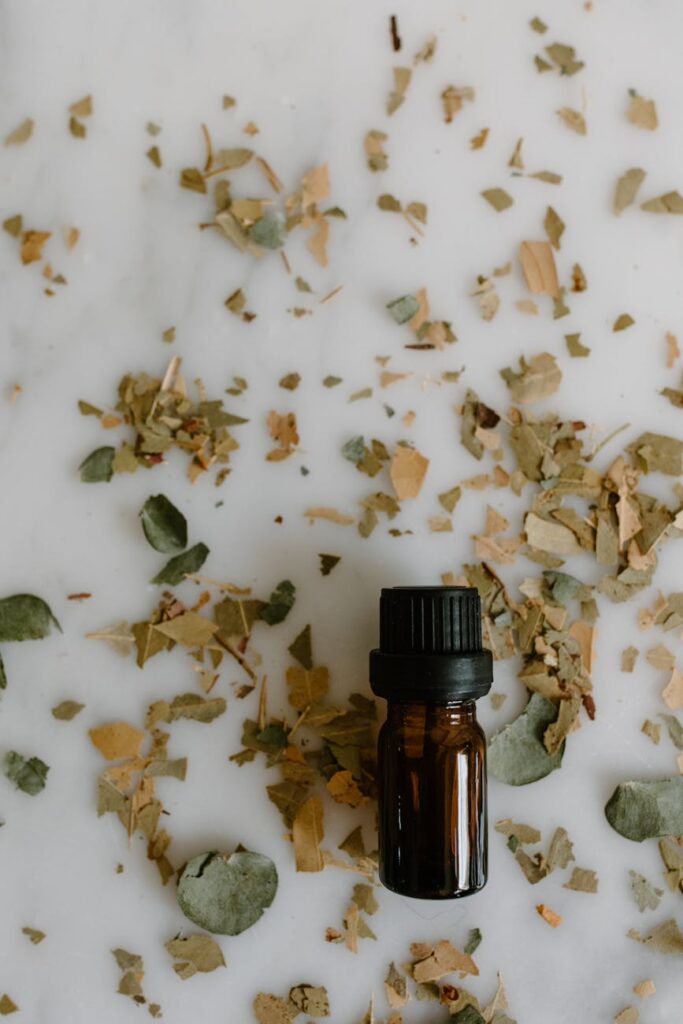
Is DIY Aromatherapy Recipes for Respiratory Support Safe? Uses, Benefits, and Precautions
Introduction
Aromatherapy, the practice of using essential oils for therapeutic purposes, has gained popularity as a natural approach to enhancing well-being. Among its various applications, respiratory support is a significant area where many individuals seek relief. This article explores the use of DIY aromatherapy recipes specifically designed for respiratory support, discussing their benefits, common uses, and important safety precautions.
What Is DIY Aromatherapy Recipes for Respiratory Support?
DIY aromatherapy recipes for respiratory support involve the use of essential oils, which are concentrated plant extracts, to promote respiratory health. These recipes can be tailored to individual preferences and needs, allowing users to create blends that suit their specific situation. Common essential oils used in these recipes include eucalyptus, peppermint, tea tree, and lavender, each known for its unique properties.
The formulation of these recipes typically combines essential oils with carrier oils or other base ingredients, enabling safe application on the skin or use in diffusers. DIY recipes empower individuals to take control of their wellness journey, providing an accessible and customizable approach to aromatherapy.
Key Benefits and Properties
The primary benefits of using essential oils for respiratory support include:
1. Antimicrobial Properties: Many essential oils possess natural antimicrobial properties, which can help combat airborne pathogens and support overall respiratory health.
2. Decongestant Effects: Oils such as eucalyptus and peppermint are known for their decongestant properties, making them effective in alleviating nasal congestion and facilitating easier breathing.
3. Relaxation and Stress Relief: Aromatherapy can promote relaxation, which is beneficial for overall respiratory function. Stress can exacerbate breathing issues, making it essential to create a calming environment.
4. Anti-inflammatory Properties: Some essential oils may help reduce inflammation in the respiratory tract, contributing to improved airflow and comfort.
5. Mood Enhancement: Essential oils can positively influence mood and emotional well-being, which may indirectly support respiratory health by fostering a more relaxed state.
Common Uses
DIY aromatherapy recipes for respiratory support can be employed in various ways, including:
1. Steam Inhalation: Adding a few drops of essential oil to hot water and inhaling the steam can help clear nasal passages and provide quick relief from congestion.
2. Diffusion: Using a diffuser to disperse essential oils into the air can create a therapeutic environment, making it an effective method for long-term respiratory support.
3. Topical Application: Diluting essential oils with a carrier oil and applying them to the chest, back, or reflex points can provide localized support and relief.
4. Bath Soaks: Adding essential oils to a warm bath can create a relaxing environment while also providing respiratory benefits through inhalation and skin absorption.
5. Inhalers: Creating personal inhalers filled with essential oils can offer a convenient way to access respiratory support on the go.
Aromatherapy Applications
When utilizing DIY aromatherapy recipes for respiratory support, several essential oils stand out due to their specific properties:
- Eucalyptus: Known for its decongestant and expectorant properties, eucalyptus oil can help clear mucus and promote easier breathing.
- Peppermint: This oil contains menthol, which can provide a cooling sensation and help open up the airways, making it easier to breathe.
- Tea Tree: Renowned for its antimicrobial properties, tea tree oil can help purify the air and support respiratory health.
- Lavender: While primarily associated with relaxation, lavender oil can also help reduce inflammation and promote a sense of calm, which may benefit respiratory function.
- Lemon: With its uplifting scent, lemon essential oil can help enhance mood and purify the air, contributing to a refreshing environment.
Safety Considerations
While DIY aromatherapy recipes can be beneficial, it’s essential to approach their use with caution. Here are several safety considerations to keep in mind:
1. Dilution: Always dilute essential oils with a carrier oil before applying them to the skin. A typical dilution ratio is 2-3 drops of essential oil per teaspoon of carrier oil.
2. Skin Sensitivity: Perform a patch test before using a new essential oil to ensure no adverse reactions occur. Apply a small amount of diluted oil to a discreet area of skin and observe for any irritation.
3. Age and Health Considerations: Certain essential oils may not be suitable for children, pregnant or nursing women, or individuals with specific health conditions. Research or consult reliable sources to ensure safety.
4. Quality of Essential Oils: Use high-quality, pure essential oils from reputable sources. Adulterated or synthetic oils may not provide the desired benefits and could lead to adverse reactions.
5. Inhalation Precautions: When using steam inhalation or diffusion, ensure the space is well-ventilated, and avoid prolonged exposure to concentrated essential oils, which can irritate the respiratory system.
6. Avoiding Eye Contact: Essential oils are potent and can cause irritation if they come into contact with the eyes. Exercise caution when using them, especially in close proximity.
Storage and Shelf Life
Proper storage of essential oils is crucial to maintain their efficacy and safety. Here are some tips for storing your DIY aromatherapy recipes:
1. Dark Glass Containers: Store essential oils in dark glass bottles to protect them from light, which can degrade their quality over time.
2. Cool, Dry Place: Keep essential oils in a cool, dry environment away from direct sunlight and heat sources, which can also impact their potency.
3. Labeling: Clearly label your blends with the ingredients and the date they were made. This practice helps track freshness and ensures you know what you are using.
4. Shelf Life: The shelf life of essential oils varies, but most can last from 1 to 3 years when stored properly. Check for signs of degradation, such as changes in color or scent, before use.
Frequently Asked Questions
Can I use essential oils if I have a respiratory condition?
While some individuals with respiratory conditions may find relief using essential oils, it is essential to consult a healthcare professional for personalized advice.
Are there any essential oils to avoid during pregnancy?
Certain essential oils, such as rosemary and sage, should be avoided during pregnancy. Always consult reliable sources or a healthcare provider for guidance.
Can I use multiple essential oils in one recipe?
Yes, blending essential oils can create synergistic effects. However, it’s crucial to research the properties of each oil and ensure they complement each other.
How often can I use DIY aromatherapy recipes for respiratory support?
Frequency of use depends on individual needs and preferences. Start with a moderate approach and adjust based on how your body responds.
Can children use essential oils for respiratory support?
While some essential oils may be suitable for children, it’s vital to use appropriate dilution rates and consult age-specific guidelines.
Conclusion
DIY aromatherapy recipes for respiratory support can provide a natural and effective means of promoting respiratory health and well-being. By understanding the benefits, common uses, and safety considerations, individuals can create personalized blends that cater to their needs. As with any wellness practice, it is essential to remain informed and cautious, ensuring a safe and enjoyable aromatherapy experience.