
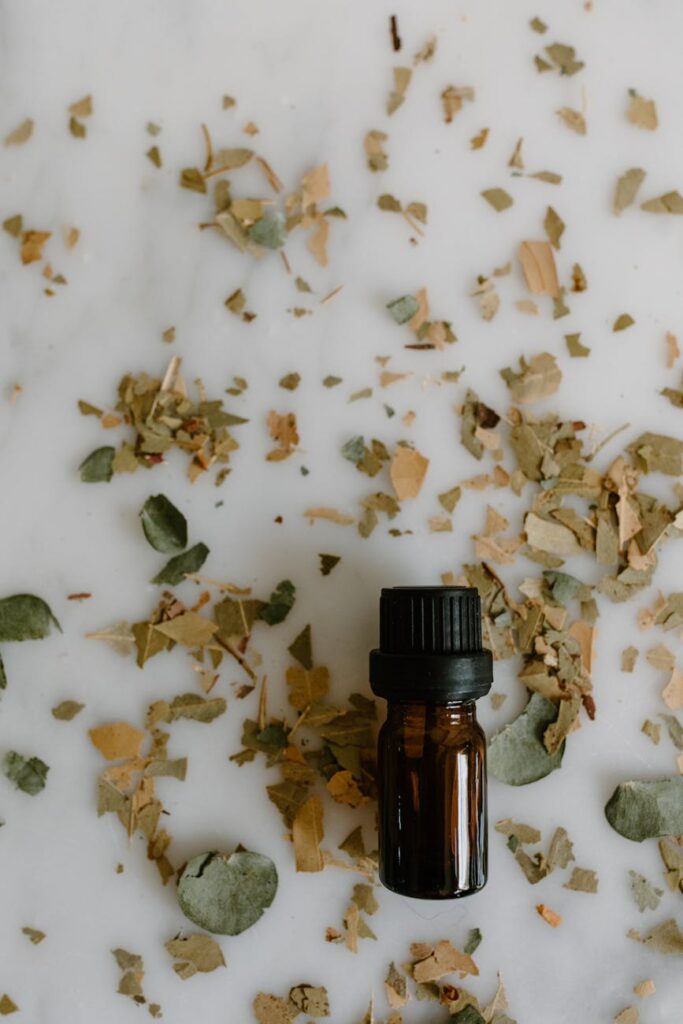
Is DIY Aromatherapy Recipes for Seasonal Allergy Relief with Essential Oils Safe? Uses, Benefits, and Precautions
Introduction
Seasonal allergies, often triggered by pollen from trees, grasses, and weeds, can lead to discomfort for millions of individuals worldwide. Symptoms may include sneezing, nasal congestion, itchy eyes, and fatigue. While conventional remedies abound, many are turning to natural alternatives, including essential oils and aromatherapy, as a means of relief. This article will explore DIY aromatherapy recipes specifically designed for seasonal allergy relief, their benefits, common uses, safety considerations, as well as storage and shelf life.
What Is DIY Aromatherapy Recipes for Seasonal Allergy Relief with Essential Oils?
DIY aromatherapy involves the use of essential oils—concentrated plant extracts known for their aromatic and therapeutic properties—to create natural remedies. When crafted thoughtfully, these recipes can help alleviate the discomfort associated with seasonal allergies. Common essential oils utilized in such recipes include eucalyptus, lavender, peppermint, and tea tree oil, each known for its unique properties that may aid in respiratory health and overall well-being.
Key Benefits and Properties
1. Anti-Inflammatory: Certain essential oils possess anti-inflammatory properties that can help reduce nasal congestion and soothe irritated airways.
2. Antihistamine Effects: Some oils may act as natural antihistamines, helping to mitigate allergic reactions and lessen symptoms such as sneezing and itching.
3. Decongestant Qualities: Oils like eucalyptus and peppermint can help open airways, promoting easier breathing and reducing sinus pressure.
4. Relaxation and Stress Relief: Seasonal allergies can be stressful. Essential oils such as lavender and chamomile are known for their calming effects, helping to ease anxiety and improve sleep quality.
5. Antimicrobial Properties: Some essential oils have antimicrobial effects that can help cleanse the air and reduce the presence of allergens.
Common Uses
DIY aromatherapy recipes for seasonal allergy relief can be employed in various ways, depending on individual preferences and needs:
- Diffusion: Using an essential oil diffuser is one of the most popular methods for dispersing essential oils into the air, helping to purify the environment and provide inhalation benefits.
- Topical Application: Essential oils can be diluted with a carrier oil and applied to the skin, particularly on pulse points or areas of discomfort, to provide localized relief.
- Inhalation: Creating an inhaler or simply adding a few drops of essential oil to a tissue can offer immediate relief through inhalation.
- Bath Soaks: Adding essential oils to a warm bath can promote relaxation while providing respiratory benefits.
- Room Sprays: Homemade room sprays can be made by combining essential oils with water and a dispersing agent, helping to cleanse the air in living spaces.
- 3 drops of eucalyptus oil
- 2 drops of peppermint oil
- 2 drops of lavender oil
- 10 ml of carrier oil (such as jojoba or sweet almond oil)
- 5 drops of lavender oil
- 5 drops of tea tree oil
- 2 drops of peppermint oil
- 2 drops of tea tree oil
- 1 drop of lemon oil
- 5 drops of lavender oil
- 5 drops of chamomile oil
- 1 cup of Epsom salts
- 1 cup of water
- 10 drops of eucalyptus oil
- 10 drops of peppermint oil
- 1 tsp of witch hazel (as an emulsifier)
- Keep Away from Light: Store essential oils in dark glass bottles to protect them from UV light, which can degrade their quality.
- Cool, Dry Place: Store oils in a cool, dry environment away from heat sources and humidity.
- Tightly Sealed: Ensure bottles are tightly sealed to prevent oxidation and evaporation.
- Shelf Life: While many essential oils can last for several years, some can degrade more quickly. Citrus oils, for example, typically have a shorter shelf life of about 1-2 years, while oils like patchouli and sandalwood can last for 5 years or more.
Aromatherapy Applications
1. Essential Oil Blends for Diffusers
A simple blend for diffusing during allergy season might include:
This combination can create a refreshing and soothing atmosphere.
2. Topical Roll-On
A convenient roll-on can be made by mixing:
This blend can be applied to the temples, throat, or chest for relief.
3. Inhalation Recipe
For quick relief, combine:
Place the oils on a tissue, fold it, and inhale deeply.
4. Calming Bath Soak
Create a soothing bath by mixing:
Add this mixture to warm bath water for a relaxing soak.
5. Room Spray
Combine the following in a spray bottle:
Shake well before each use and spray around living spaces.
Safety Considerations
While essential oils can be beneficial, safety is paramount. Here are essential precautions to take:
1. Dilution: Always dilute essential oils with a carrier oil before applying them to the skin to prevent irritation. A general rule of thumb is to use a 2-3% dilution for topical applications.
2. Patch Test: Conduct a patch test before using a new essential oil. Apply a small amount of the diluted oil to a small area of skin and wait 24 hours to check for reactions.
3. Pregnancy and Nursing: Pregnant or nursing individuals should consult a healthcare provider before using essential oils.
4. Children and Pets: Many essential oils are not suitable for young children or animals. Always research the safety of specific oils for pets, as some can be toxic to animals.
5. Quality of Oils: Ensure that you are using high-quality, pure essential oils. Look for oils that are labeled as therapeutic grade and free from additives.
6. Consult a Professional: If you have existing health conditions or are taking medications, consult a healthcare professional before incorporating essential oils into your routine.
Storage and Shelf Life
Proper storage of essential oils is crucial for maintaining their potency and effectiveness. Follow these guidelines:
Frequently Asked Questions
1. Can essential oils cure seasonal allergies?
Essential oils may help alleviate some symptoms associated with seasonal allergies, but they are not a cure. They can be used as complementary support alongside other treatment methods.
2. Which essential oils are best for allergy relief?
Common essential oils for allergy relief include eucalyptus, lavender, peppermint, tea tree oil, and lemon. Each oil has unique properties that may contribute to symptom relief.
3. Can I use essential oils while pregnant?
Many essential oils should be avoided during pregnancy. It is best to consult a healthcare provider for personalized guidance.
4. Are there any side effects associated with essential oils?
Some individuals may experience skin irritation, allergic reactions, or respiratory issues when using essential oils. Always perform a patch test and consult a professional if you have concerns.
5. How often can I use essential oils for allergies?
Usage frequency can vary based on individual tolerance and the method of application. Generally, diffusing oils can be done throughout the day, while topical applications should be limited to a few times daily.
Conclusion
DIY aromatherapy recipes using essential oils can offer a natural approach to managing seasonal allergy symptoms. By understanding the benefits, common uses, safety considerations, and proper storage techniques, individuals can explore the potential of essential oils in enhancing their well-being during allergy season. As with any natural remedy, it is essential to approach with caution and respect for the powerful properties these plant extracts possess.