
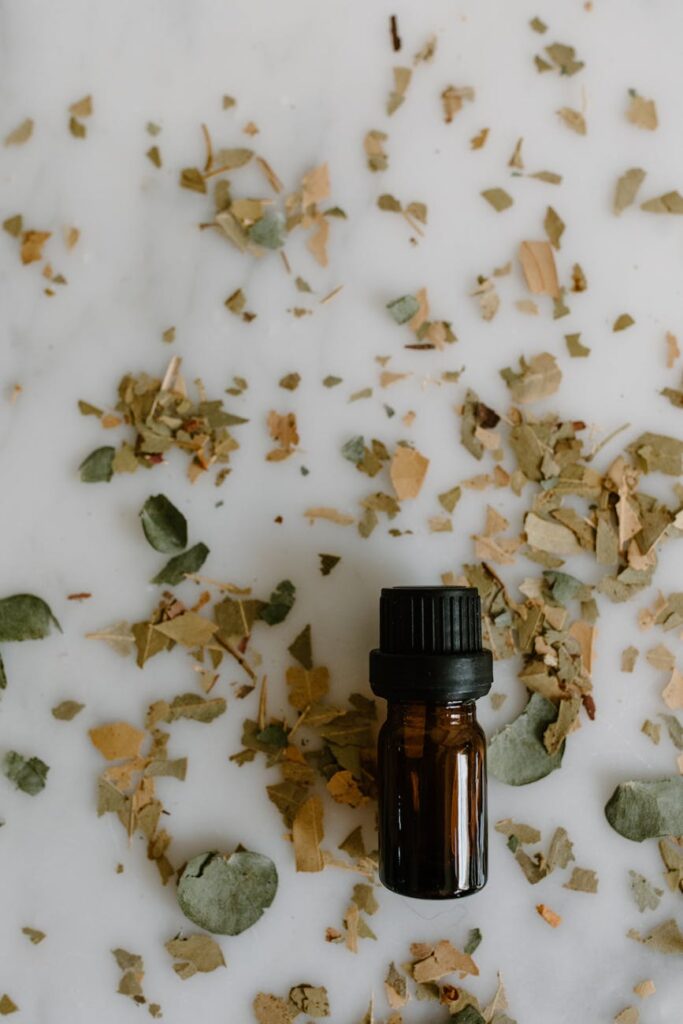
Is DIY Aromatherapy Recipes for Seasonal Detoxification Safe? Uses, Benefits and Precautions
Introduction
As the seasons change, many individuals seek ways to cleanse and rejuvenate their bodies. One popular method is through the use of aromatherapy, particularly DIY recipes designed for seasonal detoxification. Aromatherapy employs essential oils derived from plants to enhance physical and emotional well-being. This article explores the concept of DIY aromatherapy recipes for seasonal detoxification, examining their uses, benefits, precautions, and how to safely incorporate them into your routine.
What Is DIY Aromatherapy Recipes for Seasonal Detoxification?
DIY aromatherapy recipes for seasonal detoxification refer to the practice of using essential oils and other natural ingredients to create blends that support the body’s natural detoxification processes. These recipes can be tailored to align with the changing demands of the body throughout the year, addressing common seasonal concerns such as allergies in spring, heat in summer, or sluggishness in winter.
The process of detoxification is often associated with the elimination of toxins and waste materials from the body. While it is essential to note that the body has its own built-in detoxification systems, including the liver, kidneys, and skin, aromatherapy can offer supplemental support through sensory stimulation and emotional balance.
Key Benefits and Properties
Aromatherapy is known for its range of potential benefits, which may include:
1. Emotional Balance: Many essential oils possess mood-enhancing properties that can alleviate feelings of stress, anxiety, and fatigue. Oils like lavender, bergamot, and ylang-ylang are often used to promote relaxation.
2. Physical Well-Being: Certain essential oils, such as ginger and peppermint, may help alleviate issues related to digestion or discomfort, which can be particularly beneficial during seasonal transitions.
3. Respiratory Support: Oils like eucalyptus and tea tree are known for their potential to support respiratory health, making them popular choices during allergy season.
4. Mood Enhancement: Citrus oils like lemon and orange can uplift spirits and enhance overall mood, providing a natural boost during darker seasons.
5. Mindfulness and Meditation: Incorporating essential oils into meditation practices can enhance mindfulness and deepen relaxation.
Common Uses
DIY aromatherapy recipes for seasonal detoxification can be applied in various ways:
- Diffusion: Using an essential oil diffuser allows the scent to fill a room, promoting a calming or invigorating atmosphere.
- Topical Application: Blending essential oils with carrier oils (like jojoba or coconut oil) for massage or skincare can provide localized benefits.
- Baths: Adding essential oils to bathwater can create a soothing experience that aids in relaxation and detoxification.
- Inhalation: Direct inhalation of essential oils from the bottle or via steam inhalation can provide immediate benefits.
- Ingredients: 3 drops of lemon oil, 2 drops of orange oil, 1 drop of grapefruit oil.
- Use: Diffuse to uplift mood and energize the space, especially during gloomy weather.
- Ingredients: 2 drops of eucalyptus oil, 2 drops of peppermint oil, 1 drop of tea tree oil.
- Use: Diffuse during allergy season or when experiencing respiratory discomfort.
- Ingredients: 10 drops of ginger oil, 5 drops of lavender oil, 2 tablespoons of coconut oil.
- Use: Massage into sore muscles after exercise or a long day.
- Ingredients: 5 drops of tea tree oil, 3 drops of lavender oil, ½ cup of sugar, ½ cup of olive oil.
- Use: Apply in the shower to exfoliate and cleanse the skin.
- Ingredients: 5 drops of chamomile oil, 5 drops of lavender oil, 1 cup of Epsom salt.
- Use: Add to a warm bath for relaxation and to alleviate stress.
- Ingredients: 4 drops of rosemary oil, 4 drops of peppermint oil, 1 cup of sea salt.
- Use: Ideal for a morning bath to invigorate and stimulate energy levels.
- Cool, Dark Place: Store essential oils in a cool, dark area away from direct sunlight and heat sources, which can degrade their quality.
- Tightly Sealed Containers: Ensure that bottles are tightly sealed to prevent oxidation and evaporation.
- Shelf Life: Generally, essential oils have a shelf life of 1 to 3 years, depending on the oil type. Citrus oils tend to have shorter shelf lives compared to oils like sandalwood or patchouli.
Aromatherapy Applications
Diffusion Recipes
1. Citrus Invigoration Blend
2. Respiratory Relief Blend
Topical Recipes
1. Soothing Muscle Rub
2. Detoxifying Skin Scrub
Bath Recipes
1. Calming Bath Soak
2. Energizing Bath Blend
Safety Considerations
While DIY aromatherapy can be enjoyable and beneficial, it is essential to approach it with caution:
1. Skin Sensitivity: Essential oils are highly concentrated and can cause skin irritation. Always dilute essential oils with a carrier oil before applying topically. Conduct a patch test on a small skin area to check for any adverse reactions.
2. Quality of Essential Oils: Use high-quality, pure essential oils from reputable sources. Synthetic oils may contain harmful chemicals.
3. Pregnancy and Nursing: Certain essential oils should be avoided during pregnancy or while nursing. Always consult an expert if unsure.
4. Allergies: Be aware of any allergies to specific plants or oils. Avoid those oils and consult a healthcare professional for alternatives.
5. Children and Pets: Some essential oils can be harmful to children and pets. Always research the safety of specific oils before use around them.
6. Consultation with Professionals: If you have existing medical conditions or are taking medications, consider consulting a healthcare provider knowledgeable about essential oils before beginning an aromatherapy regimen.
Storage and Shelf Life
Proper storage of essential oils is crucial to maintain their efficacy and extend their shelf life:
Frequently Asked Questions
Can I use essential oils safely in my home?
Yes, when used properly, essential oils can be safely employed in a home environment. It is important to follow safety guidelines, such as proper dilution and avoiding contact with sensitive areas.
How can I determine which essential oils to use for detoxification?
The selection of essential oils can depend on personal preferences and specific seasonal needs. Researching the properties of different oils or consulting aromatherapy literature can help guide your choices.
Are there any essential oils I should avoid during detoxification?
Certain oils, particularly those that are highly stimulating or irritating, may not be ideal during detoxification. Always perform due diligence and understand the properties of each oil you plan to use.
Can I mix different essential oils together?
Yes, blending essential oils can enhance their benefits. However, it is advisable to start with small quantities and test combinations to ensure compatibility and desired effects.
How often can I use DIY aromatherapy recipes?
The frequency of use can vary based on individual tolerance and the specific recipe. It is generally safe to use them daily, but listen to your body and adjust as needed.
Conclusion
DIY aromatherapy recipes for seasonal detoxification can provide an enjoyable and holistic approach to support overall well-being. By understanding the properties, benefits, and safety considerations associated with essential oils, individuals can create their own natural remedies that align with their seasonal needs. As with any wellness practice, mindfulness and informed decision-making are vital to ensure a positive experience.