
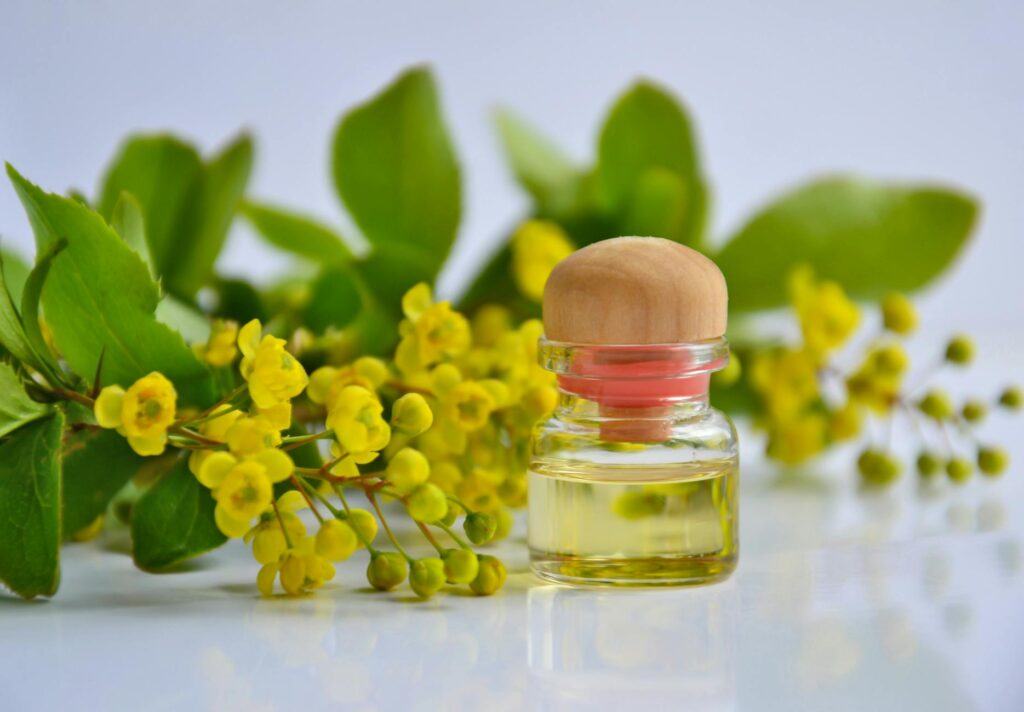
Is DIY Aromatherapy Recipes for Seasonal Immune Support with Essential Oils Safe? Uses, Benefits and Precautions
Introduction
As the seasons change, many individuals seek natural ways to support their immune systems during times when colds and flu are more prevalent. Essential oils have gained popularity as a holistic approach to wellness, particularly through DIY aromatherapy recipes. This article explores the safety, uses, benefits, and precautions associated with using essential oils for seasonal immune support.
What Is DIY Aromatherapy Recipes for Seasonal Immune Support with Essential Oils?
DIY aromatherapy refers to the practice of creating personalized blends of essential oils to enhance physical and emotional well-being. Seasonal immune support recipes often utilize essential oils known for their antimicrobial, antiviral, and uplifting properties. These recipes can be crafted into various applications, including diffusers, topical blends, and inhalers, allowing individuals to customize their approach to wellness.
Key Benefits and Properties
Essential oils possess a range of therapeutic properties that can be beneficial for seasonal immune support. Here are some key benefits:
Antimicrobial Properties
Many essential oils, such as tea tree, eucalyptus, and lavender, exhibit antimicrobial properties. These oils can help inhibit the growth of bacteria and viruses, potentially reducing the risk of infections.
Anti-inflammatory Effects
Certain essential oils, like peppermint and chamomile, are known for their anti-inflammatory effects. By reducing inflammation, these oils may help alleviate discomfort associated with seasonal illnesses.
Uplifting and Calming Effects
Seasonal changes can affect mood and energy levels. Essential oils like citrus (e.g., lemon and orange) are uplifting, while others like lavender provide calming effects. This balance can support emotional well-being during challenging times.
Respiratory Support
Eucalyptus and peppermint are commonly used to support respiratory function. Their invigorating scents can help clear nasal passages and promote easier breathing, which is particularly beneficial during cold and flu season.
Common Uses
DIY essential oil recipes for seasonal immune support can be applied in various ways. Some of the most common uses include:
Diffusion
Using an essential oil diffuser is one of the simplest ways to incorporate oils into your environment. By diffusing blends such as eucalyptus, lemon, and tea tree oil, you can purify the air and create a pleasant atmosphere.
Topical Application
Diluted essential oils can be applied to the skin. A common practice is to blend oils with a carrier oil, such as coconut or jojoba oil, for massage or localized treatment. Popular blends for immune support may include tea tree, lavender, and frankincense.
Inhalation
Inhalation is a potent method for experiencing the benefits of essential oils. You can create a personal inhaler using essential oils like peppermint and eucalyptus, providing immediate access to their properties.
Bath Soak
Adding essential oils to a warm bath can create a soothing and therapeutic experience. Oils like lavender and chamomile can promote relaxation and comfort, supporting overall well-being during seasonal changes.
Aromatherapy Applications
When crafting DIY recipes for seasonal immune support, consider the following applications:
Immune-Boosting Blend
A simple recipe might include equal parts of lemon, tea tree, and lavender oils. Combine these in a diffuser or with a carrier oil for topical use. This blend can help purify the air and offer emotional support.
Respiratory Blend
To promote respiratory health, a blend of eucalyptus, peppermint, and rosemary oils can be effective. This combination can be used in a diffuser or diluted for topical application on the chest and back.
Mood-Lifting Blend
For emotional support during seasonal changes, a blend of sweet orange, bergamot, and frankincense can be uplifting. This blend can be diffused or applied to pulse points for a quick boost.
Safety Considerations
While essential oils offer numerous benefits, certain safety considerations must be taken into account:
Dilution
Essential oils are highly concentrated and should always be diluted before topical application. A general guideline is to use a carrier oil to dilute essential oils to a concentration of 1-2% for adults, and even lower for children or sensitive individuals.
Skin Sensitivity
Some individuals may experience skin irritation or allergic reactions to specific essential oils. It is advisable to perform a patch test on a small area of skin before broader application.
Avoiding Certain Oils
Certain essential oils, such as wintergreen and cinnamon, can be potentially toxic if ingested or improperly used. Pregnant and nursing individuals, as well as those with certain medical conditions, should consult a healthcare professional before using essential oils.
Storage
Essential oils should be stored in dark glass bottles in a cool, dry place to maintain their integrity and potency. Exposure to light and heat can degrade essential oils over time.
Storage and Shelf Life
Proper storage is crucial for preserving the efficacy of essential oils. Most essential oils have a shelf life of 1 to 3 years, depending on the oil type and storage conditions. Citrus oils tend to have a shorter shelf life, while oils like sandalwood and patchouli can last longer. Always check for changes in aroma, color, or consistency, as these may indicate that an oil has gone rancid or degraded.
Frequently Asked Questions
Can I use essential oils if I am pregnant or nursing?
While some essential oils are considered safe, others may pose risks. It is advisable to consult a healthcare professional for personalized guidance.
Are essential oils safe for children?
Many essential oils can be used safely with children when properly diluted. However, always consult with a healthcare provider before use.
Can I ingest essential oils?
Ingesting essential oils is controversial and can be dangerous. It is generally recommended to avoid internal use unless under the guidance of a qualified practitioner.
How can I find high-quality essential oils?
Look for oils labeled as pure, therapeutic-grade, and sourced from reputable suppliers. Check for third-party testing and certifications to ensure quality.
Can I use essential oils in cooking or baking?
While some culinary-grade essential oils are safe for consumption, many are not. Always verify that the oil is suitable for ingestion and follow usage guidelines.
Conclusion
DIY aromatherapy recipes for seasonal immune support using essential oils can be a wonderful addition to your wellness routine. The variety of benefits, from antimicrobial properties to uplifting effects, makes these natural remedies appealing. However, it is essential to approach their use with caution, adhering to safety guidelines and storage recommendations. By doing so, individuals can enjoy the advantages of essential oils while minimizing risks, creating a harmonious blend of nature and well-being.