
Is DIY Aromatherapy Recipes for Seasonal Mood Changes Safe? Uses, Benefits and Precautions
Introduction
As the seasons change, many individuals experience variations in mood and emotional well-being. This phenomenon is often linked to environmental factors such as sunlight exposure, temperature fluctuations, and even seasonal allergies. Aromatherapy, the art of using essential oils to enhance physical and emotional health, has gained popularity as a potential tool for managing these seasonal mood changes. DIY (Do-It-Yourself) aromatherapy recipes can empower individuals to create their own blends tailored to their unique needs. However, the safety and efficacy of such practices warrant careful consideration.
In this article, we will explore the concept of DIY aromatherapy recipes specifically designed for seasonal mood changes, delving into their benefits, common uses, applications, safety considerations, and more.
What Is DIY Aromatherapy Recipes for Seasonal Mood Changes?
DIY aromatherapy recipes involve the blending of essential oils with carrier oils or other bases to create personalized mixtures that cater to specific emotional or physical states. Seasonal mood changes can arise from various factors, such as reduced sunlight in the winter months or heightened allergens in spring. By using essential oils known for their uplifting or calming properties, individuals can craft recipes aimed at alleviating these seasonal mood fluctuations.
The process of creating these recipes typically involves selecting essential oils based on their properties and desired effects, blending them with a carrier oil or other mediums, and employing them through various applications, such as diffusion, topical application, or inhalation.
Key Benefits and Properties
The potential benefits of using DIY aromatherapy recipes for seasonal mood changes are numerous:
1. Emotional Support: Essential oils such as lavender, bergamot, and frankincense are often associated with calming and uplifting effects, which can help alleviate feelings of sadness or anxiety during specific seasons.
2. Customization: DIY recipes allow individuals to tailor their blends according to personal preferences and unique emotional states. This customization can enhance the overall effectiveness of the aromatherapy experience.
3. Holistic Approach: Aromatherapy embraces a holistic approach to well-being, addressing not only emotional health but also physical aspects, such as stress relief and relaxation.
4. Cost-Effectiveness: Creating one’s own blends can be more economical than purchasing pre-made products, allowing for the use of high-quality essential oils without breaking the bank.
5. Empowerment: Engaging in the DIY process can foster a sense of empowerment and creativity, as individuals explore the art of blending and discover the scents that resonate with them.
Common Uses
DIY aromatherapy recipes can be utilized in various forms, each serving a specific purpose:
1. Diffusion: One of the most popular methods, diffusion involves dispersing essential oils into the air using a diffuser. This method can create a calming or uplifting atmosphere, depending on the chosen oils.
2. Topical Application: Blending essential oils with a carrier oil, such as jojoba or sweet almond oil, allows for direct application on the skin. This method is often used for localized relief and to harness the oils’ benefits through skin absorption.
3. Inhalation: Direct inhalation of essential oils can be achieved by placing a few drops on a tissue or in a bowl of water. This method delivers immediate effects, making it particularly useful for quick mood adjustments.
4. Bathing: Adding essential oils to a warm bath can create a soothing environment, promoting relaxation and emotional well-being.
5. Room Sprays: Creating a room spray with essential oils can help refresh spaces while promoting a desired emotional state.
Aromatherapy Applications
To maximize the benefits of DIY aromatherapy recipes for seasonal mood changes, consider the following applications:
1. Morning Uplift: For individuals feeling sluggish or low during darker months, a blend of citrus oils such as orange and lemon can be invigorating. Combine these oils with peppermint for an added boost.
2. Calming Evening Ritual: To promote relaxation before bedtime, a blend of lavender and chamomile can create a soothing atmosphere. This combination is particularly beneficial during seasons when anxiety may be heightened.
3. Focus and Clarity: During seasons when mental clarity may wane, a blend of rosemary and eucalyptus can help. These oils are known for their potential to enhance concentration and clear the mind.
4. Seasonal Allergy Relief: For those affected by seasonal allergies, a blend of lavender and tea tree oil can be beneficial when diffused. These oils may help to create a more comfortable environment.
5. Mood Stabilization: A blend of bergamot and ylang-ylang can promote emotional balance, making it suitable for those experiencing mood swings during seasonal transitions.
Safety Considerations
While DIY aromatherapy can be safe and effective, certain precautions should be taken:
1. Dilution: Essential oils are highly concentrated and should always be diluted with a carrier oil before applying to the skin. A general rule of thumb is to use a dilution ratio of 1-2% for topical applications.
2. Allergies and Sensitivities: It is essential to conduct a patch test before applying any new blend to the skin. Apply a small amount of the diluted product to a discreet area and observe for any adverse reactions over 24 hours.
3. Quality of Oils: Not all essential oils are created equal. It is crucial to source high-quality, pure essential oils from reputable suppliers to avoid adulterated products.
4. Avoiding Certain Oils: Some essential oils may not be suitable for everyone, particularly pregnant or nursing individuals, children, or those with specific health conditions. It is advisable to consult with a knowledgeable aromatherapist or health professional if unsure.
5. Storage: Essential oils should be stored in a cool, dark place and tightly sealed to preserve their potency and extend shelf life.
Storage and Shelf Life
The storage and shelf life of essential oils can significantly influence their effectiveness:
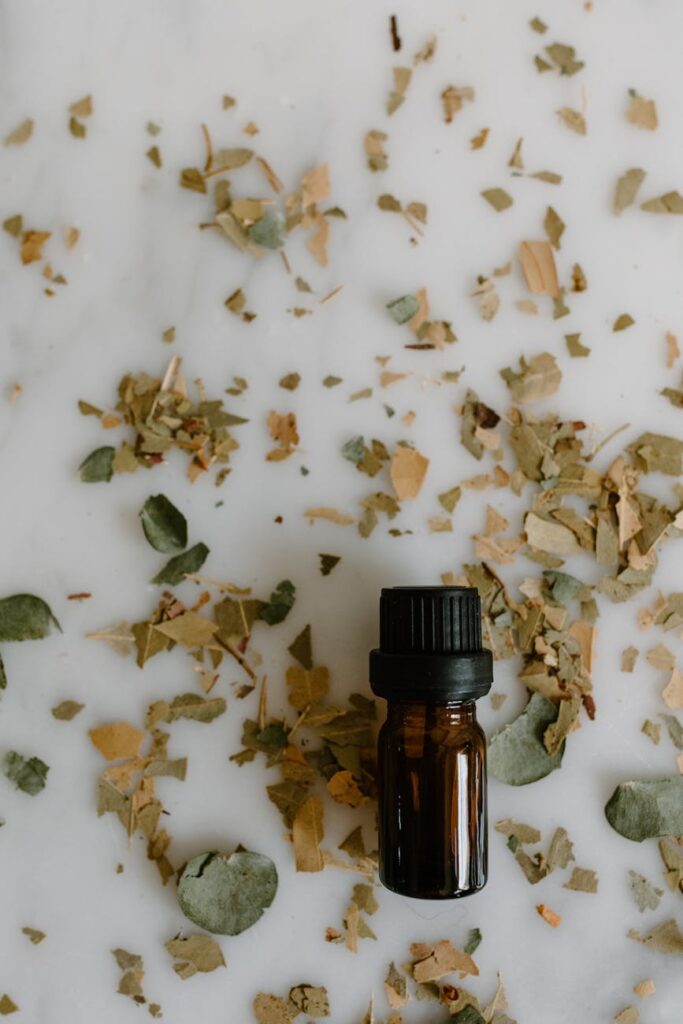
1. Dark Glass Containers: Essential oils should be stored in dark glass bottles to protect them from light exposure, which can degrade their quality.
2. Cool Temperatures: Keeping oils in a cool environment, away from heat sources, can help maintain their integrity.
3. Expiration: Most essential oils have a shelf life of 1-3 years, depending on the oil type. Citrus oils tend to have a shorter shelf life, while oils such as patchouli or sandalwood may last longer.
4. Signs of Degradation: Discoloration, changes in viscosity, or off-putting odors can indicate that an oil has expired and should be discarded.
Frequently Asked Questions
1. Can I use essential oils if I have allergies?
While many individuals with allergies can safely use essential oils, it is crucial to perform a patch test and consult with a healthcare professional if you have concerns.
2. Are there any essential oils to avoid during pregnancy?
Certain essential oils are not recommended during pregnancy, including but not limited to clary sage, rosemary, and thyme. Always seek guidance from a qualified professional.
3. How do I know which essential oils to use for my mood?
Researching the properties of various essential oils can provide insight into their effects. Keeping a journal of your experiences with different oils may also help you identify which ones resonate most with your mood.
4. Can I mix different essential oils together?
Yes, blending different essential oils can create unique and personalized recipes. However, it is advisable to research the properties of each oil and ensure they complement each other.
5. How often can I use my DIY blends?
The frequency of use can depend on personal preference and sensitivity. Start with small amounts and pay attention to how your body responds before increasing usage.
Conclusion
DIY aromatherapy recipes for seasonal mood changes offer a creative and personalized approach to enhancing emotional well-being. Understanding the key benefits, common uses, and safety considerations is essential for a positive experience. With careful selection, blending, and application, individuals can harness the power of essential oils to navigate the emotional fluctuations that accompany seasonal changes. Always prioritize safety and quality when creating your own blends, and enjoy the journey of discovering the therapeutic world of aromatherapy.