
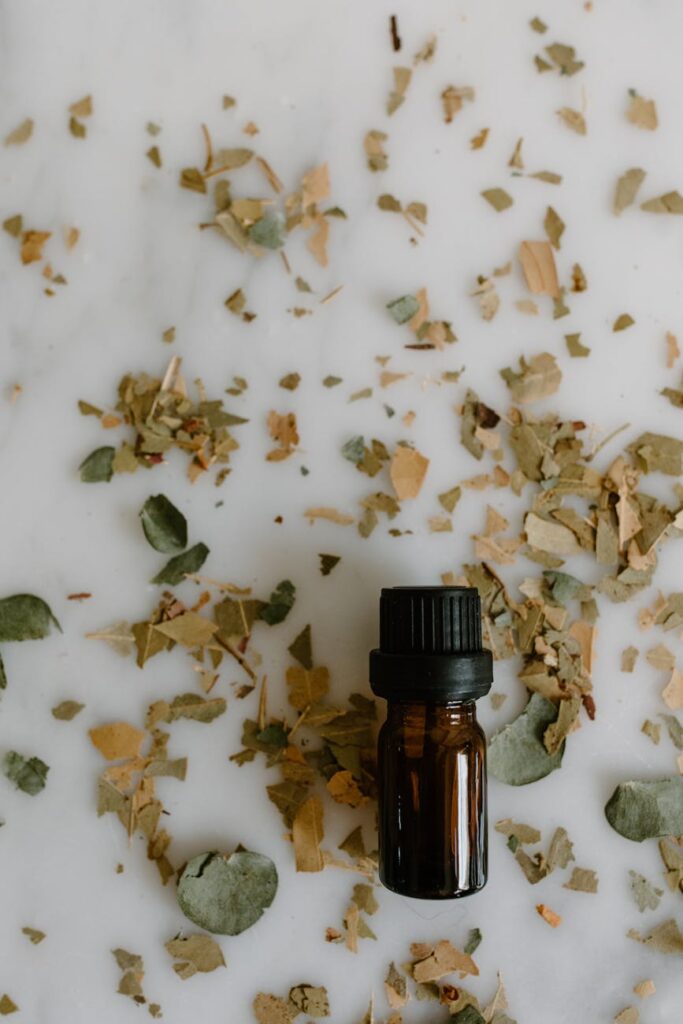
Is DIY Aromatherapy Recipes for Seasonal Mood Regulation Safe? Uses, Benefits and Precautions
Introduction
Seasonal changes can significantly impact our mood and overall well-being. As the seasons shift, many individuals experience fluctuations in their emotional states, often characterized by feelings of sadness, irritability, or lethargy. Aromatherapy, a holistic practice that utilizes essential oils to promote physical and emotional health, has gained popularity as a natural approach to enhance mood regulation throughout the year. This article delves into the world of DIY aromatherapy recipes designed for seasonal mood regulation, examining their safety, benefits, common applications, and essential precautions to consider.
What Is DIY Aromatherapy Recipes for Seasonal Mood Regulation?
DIY aromatherapy involves creating personalized blends of essential oils and other natural ingredients to address specific emotional or physical needs. For seasonal mood regulation, these recipes typically incorporate oils known for their uplifting or calming properties. The process is accessible, allowing individuals to tailor blends to their preferences and circumstances.
Essential oils are concentrated extracts derived from various parts of plants, including leaves, flowers, stems, and roots. When used in aromatherapy, they can affect the body and mind through inhalation or topical application, influencing mood and emotional states.
Key Benefits and Properties
The benefits of using essential oils for mood regulation are diverse and can include the following:
1. Emotional Support: Many essential oils possess properties that can help alleviate feelings of anxiety, stress, and sadness. For example, oils like lavender and bergamot are often used to promote relaxation and uplift the spirit.
2. Enhanced Mood: Citrus oils such as sweet orange and lemon are known for their invigorating and refreshing qualities, making them popular choices for combating seasonal blues.
3. Promotes Relaxation: Oils like chamomile and ylang-ylang are recognized for their calming effects, which can aid in creating a tranquil environment during times of stress.
4. Supports Concentration: Certain essential oils, such as rosemary and peppermint, may enhance focus and mental clarity, which can be beneficial during periods of seasonal fatigue.
5. Natural Approach: DIY aromatherapy provides a natural alternative to conventional mood-enhancing methods, appealing to those seeking holistic solutions.
Common Uses
DIY aromatherapy recipes for mood regulation can be employed in various ways, depending on individual preferences and specific needs. Common applications include:
- Diffusing: Using an essential oil diffuser to disperse the aroma throughout a room, creating a soothing atmosphere.
- Topical Application: Blending essential oils with a carrier oil (such as jojoba or coconut oil) for direct application on the skin. This can be particularly effective for localized effects, such as applying a calming blend to pulse points.
- Bath Soaks: Adding essential oils to bathwater for a relaxing and immersive experience. This can be particularly soothing during colder months.
- Inhalation: Simply inhaling an essential oil directly from the bottle or using a cotton ball can provide immediate mood support.
- Personal Care Products: Incorporating essential oils into lotions, balms, or other personal care items can add a therapeutic element to daily routines.
- Lavender (Lavandula angustifolia): Known for its calming and relaxing properties, lavender is a versatile oil that can be used in various recipes to promote tranquility.
- Bergamot (Citrus bergamia): This citrus oil offers uplifting qualities, making it an excellent choice for enhancing mood and combating stress.
- Sweet Orange (Citrus sinensis): Often associated with joy and positivity, sweet orange oil can be diffused or used topically to elevate spirits.
- Peppermint (Mentha piperita): A refreshing oil that can invigorate the mind and increase alertness, peppermint is useful for enhancing focus.
- Ylang Ylang (Cananga odorata): This floral oil is celebrated for its ability to reduce tension and promote feelings of happiness, making it ideal for uplifting blends.
- Frankincense (Boswellia carterii): Known for its grounding properties, frankincense can help create a sense of peace and balance.
- Store oils in dark glass bottles to protect them from light.
- Keep them in a cool, dry place, ideally at room temperature.
- Seal bottles tightly to prevent oxidation.
Aromatherapy Applications
When crafting DIY aromatherapy recipes for seasonal mood regulation, consider the following essential oils and their applications:
Safety Considerations
While DIY aromatherapy can be a safe and effective practice for mood regulation, certain precautions should be observed:
1. Dilution:
Essential oils are highly concentrated and should be diluted with a carrier oil before topical application. A general guideline is to use a dilution ratio of 2-3% for adults, which equates to about 12-18 drops of essential oil per ounce of carrier oil.
2. Sensitive Skin:
Individuals with sensitive skin should conduct a patch test before widespread use. Apply a small amount of the diluted oil to a discreet area and observe for any adverse reactions.
3. Pregnancy and Nursing:
Some essential oils may not be safe during pregnancy or while nursing. Always consult with a qualified professional before using essential oils in these circumstances.
4. Allergies:
Individuals with allergies or respiratory conditions should approach essential oils with caution. Certain oils can provoke allergic reactions or respiratory irritation.
5. Quality of Oils:
Choose high-quality essential oils from reputable sources to ensure purity and efficacy. Look for oils that are 100% pure and free from synthetic additives.
6. Storage:
Store essential oils in a cool, dark place away from direct sunlight to maintain their potency and shelf life.
Storage and Shelf Life
The shelf life of essential oils varies depending on the type and storage conditions. Generally, citrus oils may have a shorter shelf life (1-2 years), while oils like sandalwood and patchouli can last for several years when stored properly. To ensure longevity:
Regularly check for any changes in aroma, consistency, or color, as these can indicate that the oil has degraded.
Frequently Asked Questions
1. Can I use essential oils if I have allergies?
While some individuals with allergies may enjoy aromatherapy, it is essential to choose oils carefully and perform patch tests to ensure there are no adverse reactions.
2. How often can I use DIY aromatherapy recipes?
The frequency of use can vary based on personal preference. Many individuals enjoy daily applications, whether through diffusing or topical use. Listen to your body and adjust as needed.
3. Are there any essential oils that should be avoided?
There are certain essential oils that are best avoided during pregnancy, such as rosemary and sage. Additionally, those with specific medical conditions should consult professionals regarding safe options.
4. Can I combine different essential oils?
Yes, blending essential oils can create unique aromas and enhance therapeutic benefits. However, it is essential to research the properties of each oil to ensure they complement each other.
5. What should I do if I experience an adverse reaction?
If an adverse reaction occurs, discontinue use immediately and wash the affected area with soap and water. If symptoms persist, consult a healthcare professional.
Conclusion
DIY aromatherapy recipes for seasonal mood regulation can provide a natural and effective way to enhance emotional well-being. By understanding the properties and applications of various essential oils, individuals can create personalized blends that resonate with their unique needs. However, it is crucial to observe safety considerations, including proper dilution, quality sourcing, and storage practices. With thoughtful preparation and awareness, aromatherapy can become a valuable part of one’s self-care routine, promoting emotional balance and tranquility throughout the changing seasons.