
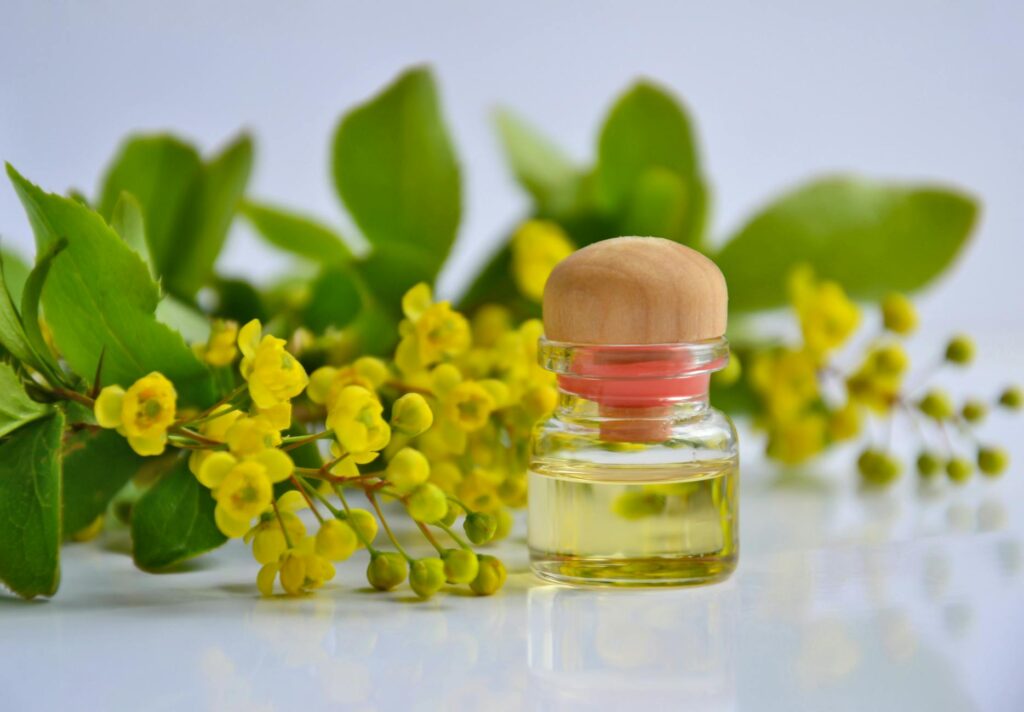
Is DIY Aromatherapy Recipes for Seasonal Mood Stabilization Safe? Uses, Benefits and Precautions
Introduction
Aromatherapy has gained popularity as a holistic approach to enhancing emotional well-being. With changing seasons, many individuals experience fluctuations in mood, often linked to variations in light, temperature, and overall environment. DIY aromatherapy recipes aimed at mood stabilization offer a natural means to help manage these seasonal shifts. This article explores the concept of DIY aromatherapy recipes for seasonal mood stabilization, their benefits and uses, as well as important safety considerations.
What Is DIY Aromatherapy Recipes for Seasonal Mood Stabilization?
DIY aromatherapy involves creating customized blends of essential oils to promote emotional balance and enhance mood. Seasonal mood stabilization refers to the practice of using these aromatic compounds to support emotional health during seasonal changes, such as the transition from winter to spring or summer to autumn.
Essential oils are concentrated extracts from plants that capture their aromatic properties. When used correctly, they can influence emotional states and support mental clarity, relaxation, or invigoration, depending on their characteristics. Commonly employed essential oils for mood stabilization include lavender, bergamot, sweet orange, and frankincense, each possessing unique properties that can help alleviate feelings of stress, anxiety, and seasonal melancholy.
Key Benefits and Properties
Emotional Balance
Many essential oils used in aromatherapy are known for their ability to promote emotional balance. For example, lavender oil is renowned for its calming effects, which can help ease anxiety and promote relaxation. Similarly, bergamot is often cited for its uplifting properties, making it a favored choice for combating feelings of sadness.
Stress Reduction
Essential oils can help reduce stress by interacting with the limbic system, the brain region responsible for emotions. Oils such as chamomile and ylang-ylang have been shown to exhibit calming effects, making them ideal for inclusion in seasonal mood stabilization recipes.
Enhanced Focus and Clarity
Certain essential oils, like rosemary and peppermint, are known to enhance focus and mental clarity. These can be particularly beneficial during transitional seasons when changes in routine may lead to distractions or a lack of motivation.
Improved Sleep Quality
Many individuals experience disrupted sleep patterns during seasonal changes. Essential oils like cedarwood and vetiver are believed to promote restful sleep, which in turn can positively influence mood and emotional well-being.
Common Uses
DIY aromatherapy recipes for mood stabilization can be utilized in various ways to suit individual preferences and circumstances. Here are some common applications:
- Diffusion: Using an essential oil diffuser to disperse aromatic compounds into the air is one of the most popular methods. This method allows for a widespread distribution of oils, creating an uplifting or calming atmosphere in any room.
- Inhalation: Direct inhalation of essential oils, either from the bottle or by adding a few drops to a tissue, can provide immediate emotional relief.
- Topical Application: Diluting essential oils in a carrier oil (such as sweet almond or jojoba oil) allows for safe topical application. This method can be particularly effective for localized emotional support, such as applying to the wrists or temples.
- Bath Soaks: Adding essential oils to a warm bath can create a soothing and immersive experience, perfect for stress relief and relaxation.
- Room Sprays: DIY room sprays made with essential oils can refresh indoor spaces while promoting a desired emotional state.
- Ingredients: 5 drops lavender essential oil, 3 drops chamomile essential oil, 2 drops bergamot essential oil, 2 tablespoons carrier oil (for topical use).
- Usage: Apply to pulse points or diffuse in living spaces to promote relaxation.
- Ingredients: 4 drops sweet orange essential oil, 4 drops grapefruit essential oil, 2 drops lemon essential oil.
- Usage: Diffuse in the morning to create an energizing atmosphere.
- Ingredients: 3 drops rosemary essential oil, 3 drops peppermint essential oil, 2 drops lemon essential oil.
- Usage: Inhale directly or diffuse while working or studying.
- Ingredients: 5 drops cedarwood essential oil, 4 drops lavender essential oil, 3 drops vetiver essential oil.
- Usage: Add to a warm bath or diffuse in the bedroom before sleeping.
- Dilution: Essential oils are highly concentrated and should be diluted in carrier oils when applied to the skin to avoid irritation or allergic reactions. A general guideline is to use 1-2 drops of essential oil per teaspoon of carrier oil.
- Patch Test: Before using a new essential oil topically, perform a patch test by applying a diluted drop on a small area of skin to check for any adverse reactions.
- Avoiding Sensitivities: Some individuals may have sensitivities or allergies to specific essential oils. Research and choose oils that are less likely to cause reactions.
- Pregnancy and Nursing: While some essential oils are deemed safe during pregnancy and breastfeeding, others may not be. Always consult a qualified professional if unsure about oil usage in these conditions.
- Children and Pets: Certain essential oils are not safe for use around children or pets. Always research the safety of specific oils before using them in their vicinity.
- Consulting Professionals: If you have existing health conditions, are taking medications, or have concerns about using essential oils, consult with a qualified health professional to ensure safe usage.
- Dark Glass Containers: Store essential oils in dark-colored glass bottles to protect them from light, which can degrade their quality.
- Cool, Dry Places: Keep oils in a cool, dry environment, away from direct sunlight and heat sources.
- Seal Tightly: Ensure that bottles are tightly sealed to prevent oxidation and evaporation.
Aromatherapy Applications
Recipe Ideas
1. Calming Lavender Blend
2. Uplifting Citrus Blend
3. Focus and Clarity Blend
4. Sleep Support Blend
Safety Considerations
While essential oils can be beneficial, they must be used with caution. Here are some essential safety tips:
Storage and Shelf Life
Proper storage of essential oils is essential for maintaining their potency and effectiveness. Here are some guidelines:
Shelf Life
The shelf life of essential oils varies by type. Generally, citrus oils have a shorter shelf life (around 1-2 years), while woody or resinous oils can last longer (up to 5 years or more). Always check for changes in scent or consistency to determine if an oil has gone past its prime.
Frequently Asked Questions
Can I mix different essential oils together?
Yes, blending essential oils can create unique aromas and enhance their effects. However, it is essential to research compatibility and ensure that the oils chosen complement each other.
How often can I use DIY aromatherapy recipes?
The frequency of use depends on individual preferences and responses to the oils. Generally, using them a few times daily is acceptable, but pay attention to your body’s reactions.
Are essential oils safe for everyone?
While many individuals can use essential oils safely, certain groups (such as pregnant women, children, and pets) may require special considerations. Always research the specific oils and consult a professional if unsure.
Can I use essential oils for emotional support alone?
While essential oils can be a valuable tool for emotional support, they are most effective when used as part of a holistic approach that includes healthy lifestyle choices, social support, and other self-care practices.
Where can I find quality essential oils?
Quality essential oils can be found through reputable suppliers, health food stores, and online retailers. Look for brands that provide information on sourcing, purity, and testing for contaminants.
Conclusion
DIY aromatherapy recipes for seasonal mood stabilization can be a valuable addition to your emotional wellness toolkit. By harnessing the natural properties of essential oils, individuals can create personalized blends to support emotional health during times of seasonal change. However, it is crucial to prioritize safety by adhering to recommended practices and guidelines. With informed use, these aromatic compounds can contribute to a more balanced and uplifting emotional experience throughout the year.