
Is DIY Aromatherapy Recipes for Seasonal Mood Support with Floral Oils Safe? Uses, Benefits and Precautions
Introduction
As the seasons change, many individuals experience shifts in their mood and emotional well-being. The transition from the vibrancy of summer to the somberness of winter can lead to feelings of melancholy or anxiety for some. Aromatherapy, particularly through the use of floral oils, has gained popularity as a natural approach to enhance mood and promote emotional balance. This article delves into the world of DIY aromatherapy recipes for seasonal mood support, exploring their safety, uses, benefits, and precautions.
What Is DIY Aromatherapy Recipes for Seasonal Mood Support with Floral Oils?
DIY aromatherapy involves creating personalized blends of essential oils at home to address specific emotional or physical needs. Floral oils—extracted from flowers—are particularly celebrated for their uplifting and calming properties. Common floral oils include lavender, geranium, ylang-ylang, and chamomile, each offering unique benefits. When combined in various recipes, these oils can provide powerful support for seasonal mood fluctuations.
Key Benefits and Properties
Floral oils are renowned for their diverse therapeutic properties, making them suitable for mood enhancement. Here are some key benefits:
1. Calming Effects: Oils like lavender are known for their ability to reduce anxiety and promote relaxation.
2. Uplifting Qualities: Floral oils such as geranium can help uplift spirits and combat feelings of sadness or depression.
3. Stress Relief: Many floral oils possess anti-stress properties that can help alleviate tension and promote a sense of well-being.
4. Hormonal Balance: Certain floral oils, including ylang-ylang and geranium, may assist in balancing hormones, which can be particularly beneficial during seasonal transitions.
5. Sleep Aid: Oils like chamomile are often used to promote restful sleep, helping individuals feel more refreshed and emotionally stable.
Common Uses
Floral essential oils can be incorporated into various DIY recipes tailored for seasonal mood support. Here are some common applications:
1. Diffusion: Adding a few drops of floral oils to a diffuser can create an uplifting ambiance in your home.
2. Bath Blends: Mixing floral oils with bath salts or carrier oils provides a soothing and aromatic bathing experience.
3. Roller Bottles: Blending floral oils with a carrier oil in a roller bottle allows for easy application on pulse points for on-the-go mood support.
4. Room Sprays: Creating a room spray with floral oils can refresh your space and enhance your mood simultaneously.
5. Inhalation: Simply inhaling the aroma of floral oils directly from the bottle or using a personal inhaler can provide immediate mood support.
Aromatherapy Applications
The application of floral oils can vary based on individual preferences and needs. Here are some popular methods:
1. Topical Application
- Dilution: Always dilute essential oils with a carrier oil (like jojoba, sweet almond, or coconut oil) before applying to the skin. A general guideline is to use a dilution of 1-2% for adults (i.e., 1-2 drops of essential oil per teaspoon of carrier oil).
- Pulse Points: Apply to pulse points such as wrists, behind the ears, and the neck to enjoy the benefits throughout the day.
- Ultrasonic Diffusers: These devices disperse essential oils into the air using water and ultrasonic waves. Add 5-10 drops of floral oil into the water tank for a soothing aromatic experience.
- Nebulizing Diffusers: These do not require water and provide a more concentrated aroma. Use as directed on the device.
- Personal Inhalers: Fill a small inhaler with cotton wicks soaked in floral oils for easy transport and on-the-go use.
- Steam Inhalation: Add 2-3 drops of floral essential oil to a bowl of hot water, cover your head with a towel, and inhale the steam for deep aromatherapy.
2. Aromatherapy Diffusers
3. Inhalation Techniques
Safety Considerations
While floral oils offer numerous benefits, certain precautions are essential to ensure safety:
1. Allergies and Sensitivities: Conduct a patch test before using any new essential oil. Apply a small diluted amount on a small area of skin and wait 24 hours to check for allergic reactions.
2. Pregnancy and Nursing: Certain floral oils may not be safe during pregnancy or breastfeeding. Consult a healthcare provider for personalized guidance.
3. Children and Pets: Some essential oils are not safe for young children or pets. Research specific oils before use in these contexts.
4. Photosensitivity: Citrus floral oils (like bergamot) can cause skin sensitivity when exposed to sunlight. Avoid sun exposure after use.
5. Proper Dilution: Always dilute essential oils, especially when applying topically, to minimize the risk of skin irritation.
Storage and Shelf Life
Proper storage of floral oils is crucial to maintain their efficacy and safety:
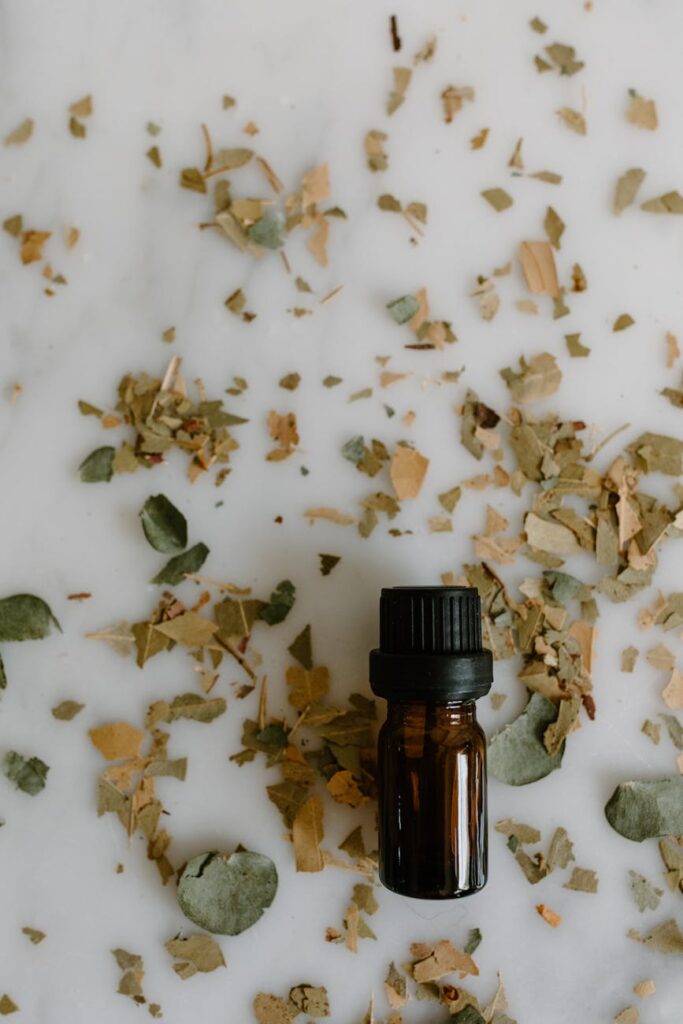
1. Container: Store essential oils in dark glass bottles to protect them from light, which can degrade their quality.
2. Temperature: Keep oils in a cool, dry place away from direct sunlight and heat sources.
3. Shelf Life: The shelf life of floral oils varies. Generally, they can last from 1-3 years if stored correctly, but always check for changes in color, smell, or consistency before use.
Frequently Asked Questions
1. Can I mix different floral oils together?
Yes, blending different floral oils can create a synergistic effect. However, it’s essential to ensure that the oils complement each other in terms of scent and therapeutic properties.
2. How often can I use floral oils for mood support?
The frequency of use depends on personal preference and individual reactions to the oils. Many people find that using floral oils several times a day can be beneficial, especially when experiencing seasonal mood shifts.
3. Are there any floral oils to avoid for specific conditions?
Certain conditions may contraindicate the use of specific floral oils. For instance, if you have a known allergy to a flower, it’s wise to avoid its essential oil. Always perform a patch test and consult reputable resources or professionals when in doubt.
4. Can I use floral oils in cooking or food?
Most essential oils are not safe for internal consumption. Always check whether the oil is labeled as food-grade and consult an expert before considering internal use.
5. What should I do if I experience an adverse reaction?
If you experience any adverse reaction, such as skin irritation or respiratory issues, discontinue use immediately. For skin reactions, apply a carrier oil to dilute the affected area. Seek medical advice if symptoms persist.
Conclusion
DIY aromatherapy recipes using floral oils can be a delightful and effective way to support mood during seasonal transitions. Understanding the benefits, uses, and safety considerations is essential for a positive experience. As you explore the world of floral oils, remember to prioritize safety and enjoy the aromatic journey toward emotional well-being.