
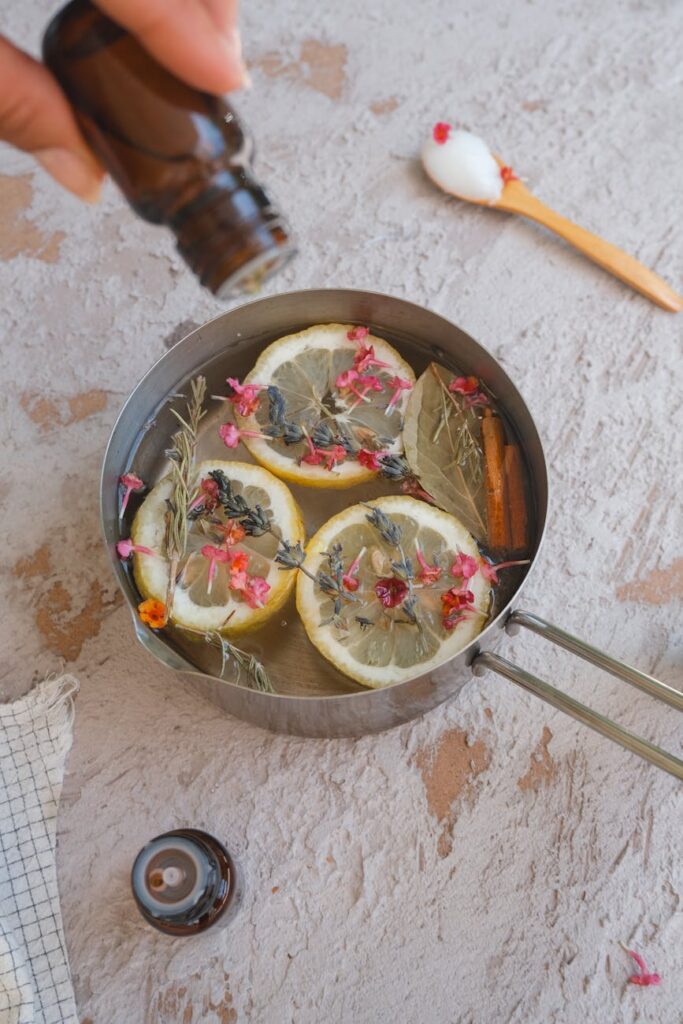
Is DIY Aromatherapy Recipes for Seasonal Mood Support with Spice Oils Safe? Uses, Benefits and Precautions
Introduction
Aromatherapy, the practice of using essential oils for therapeutic benefits, has gained popularity as a natural way to promote emotional well-being and overall health. Among the diverse range of essential oils, spice oils—such as cinnamon, clove, ginger, and nutmeg—are particularly noted for their warming and uplifting properties. This article explores the safety and efficacy of DIY aromatherapy recipes utilizing spice oils for seasonal mood support, offering insights into their benefits, common uses, and necessary precautions.
What Is DIY Aromatherapy Recipes for Seasonal Mood Support with Spice Oils?
DIY aromatherapy recipes involve the blending of essential oils with carrier oils or other base ingredients to create personalized formulations for various purposes, including mood enhancement. Seasonal mood changes, often influenced by factors such as weather, daylight hours, and holiday stress, can be addressed using spice oils known for their stimulating and comforting effects.
Spice oils are derived from the seeds, bark, roots, or fruits of plants and are characterized by their strong, aromatic profiles. These oils not only contribute delightful scents but are also associated with various properties that may help support emotional health during challenging seasons.
Key Benefits and Properties
The primary benefits of spice oils in aromatherapy for mood support include:
1. Uplifting Properties: Many spice oils, such as cinnamon and clove, are believed to have stimulating effects that can help uplift the spirit and combat feelings of lethargy or sadness.
2. Warmth and Comfort: Spice oils often evoke feelings of warmth and coziness, making them ideal for colder months when people may feel more isolated or downcast.
3. Stress Relief: Oils like ginger and nutmeg are sometimes used in blends aimed at reducing stress and promoting relaxation, which can be particularly beneficial during busy seasonal periods.
4. Antioxidant Effects: Some spice oils possess antioxidant properties, which may support overall well-being and vitality.
Common Uses
Spice oils can be incorporated into various aspects of daily life for mood support:
- Diffusion: Using an essential oil diffuser, spice oils can be dispersed into the air, creating an inviting atmosphere conducive to relaxation or focus.
- Topical Application: When diluted with carrier oils, spice oils can be applied to pulse points or used in massage blends to promote a sense of well-being.
- Bath Salts: Adding spice oils to bath salts can transform a bath into a soothing experience that uplifts the mood and provides comfort.
- Inhalation: Inhaling spice oils directly from the bottle or on a cotton ball can provide immediate sensory benefits.
- Homemade Candles and Potpourri: Integrating spice oils into DIY candles or potpourri can enhance the ambiance of a space.
- Ingredients:
- 5 drops cinnamon essential oil
- 3 drops clove essential oil
- 2 drops sweet orange essential oil
- 1 tablespoon carrier oil (e.g., jojoba, almond)
- Instructions: Blend the essential oils with the carrier oil. Apply to pulse points or use in a diffuser.
- Ingredients:
- 3 drops ginger essential oil
- 2 drops nutmeg essential oil
- 1 cup Epsom salts
- Instructions: Combine the oils with Epsom salts and add to a warm bath for a soothing experience.
- Ingredients:
- 5 drops clove essential oil
- 5 drops sweet orange essential oil
- 2 ounces distilled water
- 1 ounce witch hazel
- Instructions: Mix all ingredients in a spray bottle. Shake well before use and mist around your living space.
- Dark Glass Bottles: Store essential oils in dark glass containers to protect them from light, which can degrade their quality.
- Cool, Dry Place: Keep oils in a cool, dry environment, away from direct sunlight and heat sources.
- Shelf Life: Generally, spice oils have a shelf life of 1-3 years, depending on the oil and storage conditions. Always check for changes in scent or consistency before use.
Aromatherapy Applications
Here are some simple DIY recipes for seasonal mood support using spice oils:
1. Warm Cinnamon Blend
2. Ginger Comforting Bath
3. Spicy Mood Lifter Spray
Safety Considerations
While spice oils can offer delightful benefits, it is essential to approach their use with caution:
1. Dilution: Always dilute essential oils with a carrier oil before applying them to the skin. This helps prevent irritation and sensitization.
2. Patch Testing: Conduct a patch test by applying a diluted oil mixture to a small skin area to check for any adverse reactions.
3. Age Restrictions: Some essential oils may not be suitable for young children, pregnant women, or individuals with certain health conditions. Always research and consult reliable resources before use.
4. Quality of Oils: Use high-quality, pure essential oils from reputable sources. Low-quality oils may contain additives or impurities that can be harmful.
5. Avoiding Ingestion: Spice oils are potent and should not be ingested unless under the guidance of a qualified professional.
Storage and Shelf Life
To ensure the longevity and efficacy of spice oils, proper storage is crucial:
Frequently Asked Questions
1. Can I use spice oils for mood support year-round?
Yes, spice oils can be beneficial throughout the year, but their warming properties make them particularly suitable for colder seasons.
2. Are there any specific spice oils that are better for mood support?
Cinnamon, clove, ginger, and nutmeg are commonly used for mood support due to their uplifting and comforting properties.
3. How often can I use spice oils?
Frequency of use can vary based on individual preferences and sensitivities. It’s best to start with small amounts and adjust as needed.
4. Can I mix spice oils with other essential oils?
Yes, many people enjoy blending spice oils with other essential oils, such as citrus or floral scents, to create customized aromatherapy experiences.
5. What should I do if I experience a reaction to a spice oil?
If you experience irritation or an allergic reaction, discontinue use immediately and wash the area with soap and water. If symptoms persist, consult a healthcare professional.
Conclusion
DIY aromatherapy recipes utilizing spice oils offer a natural approach to seasonal mood support. By understanding their properties, uses, and safety considerations, individuals can effectively incorporate these oils into their daily routines. While spice oils can enhance emotional well-being, it is essential to use them responsibly and with care. Through mindful application, the warm and uplifting qualities of spice oils can enhance the seasonal experience, offering comfort and joy throughout the year.