
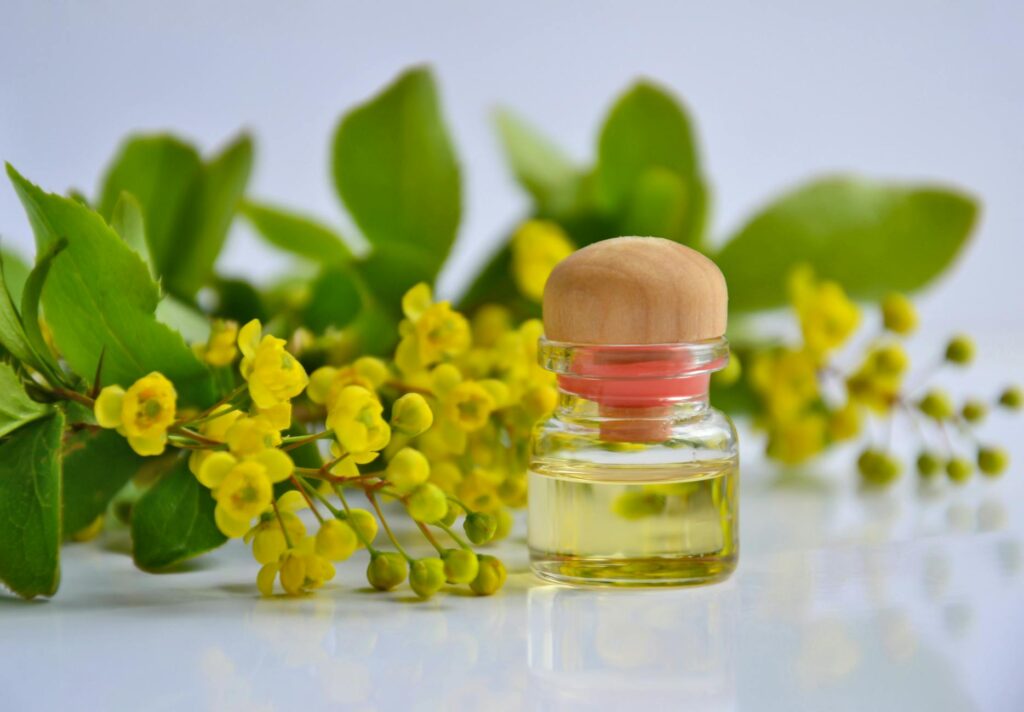
Is DIY Aromatherapy Recipes for Seasonal Skin Hydration Safe? Uses, Benefits and Precautions
Introduction
As the seasons change, so too do the needs of our skin. Harsh weather conditions—whether the dry chill of winter or the intense heat of summer—can leave skin feeling parched, irritated, and in need of extra care. Many individuals are turning to DIY aromatherapy recipes as a natural solution for seasonal skin hydration. This article delves into the world of DIY aromatherapy, exploring its benefits, common uses, safety considerations, and more.
What Is DIY Aromatherapy Recipes for Seasonal Skin Hydration?
DIY aromatherapy recipes for skin hydration involve creating blends of essential oils, carrier oils, and other natural ingredients designed to nourish and moisturize the skin. Essential oils are concentrated plant extracts known for their aromatic properties and potential therapeutic benefits. When combined with carrier oils—such as jojoba, coconut, or almond oil—these blends can help soothe, hydrate, and rejuvenate the skin, making them particularly valuable during seasonal transitions.
Key Benefits and Properties
1. Moisturization: Many essential oils and carrier oils possess emollient properties that help lock in moisture, making them effective in combating dryness.
2. Soothing: Essential oils such as lavender and chamomile are renowned for their calming effects, which can alleviate irritation and redness.
3. Antioxidant Protection: Some essential oils contain antioxidants that help combat environmental stressors, potentially protecting the skin from premature aging.
4. Aromatherapy Benefits: The aromatic qualities of essential oils can enhance mood and promote relaxation, providing both psychological and physical benefits.
5. Customization: DIY recipes allow individuals to tailor their skincare routines to their specific needs by selecting oils that align with their skin type and preferences.
Common Uses
DIY aromatherapy recipes for skin hydration can be applied in various ways, including:
- Facial Oils: A blend of essential and carrier oils can be used as a facial serum to provide deep hydration.
- Body Butters: Combining essential oils with natural butters like shea or cocoa can create a rich moisturizer for the body.
- Bath Soaks: Adding essential oils to bathwater can transform a simple bath into a hydrating experience.
- Massage Oils: Blending essential oils with carrier oils can create soothing massage oils that hydrate the skin while providing relaxation.
- Lip Balms: Essential oils can be incorporated into homemade lip balms to keep lips soft and hydrated.
Aromatherapy Applications
Creating DIY aromatherapy recipes for seasonal skin hydration requires careful selection of essential oils and carrier oils. Here are some popular options:
Essential Oils
1. Lavender: Known for its calming and soothing properties, lavender essential oil can help reduce skin irritation and promote relaxation.
2. Tea Tree: Renowned for its antimicrobial properties, tea tree oil is often used in skincare to help maintain clear skin.
3. Geranium: This oil is celebrated for its balancing effect on the skin, making it suitable for various skin types.
4. Frankincense: Often associated with anti-aging benefits, frankincense may help improve skin tone and elasticity.
5. Chamomile: With its anti-inflammatory properties, chamomile essential oil is excellent for sensitive or irritated skin.
Carrier Oils
1. Jojoba Oil: Mimicking the skin’s natural sebum, jojoba oil is easily absorbed and suitable for all skin types.
2. Coconut Oil: Known for its moisturizing properties, coconut oil can provide a protective barrier on the skin.
3. Sweet Almond Oil: Rich in vitamins and fatty acids, sweet almond oil helps nourish and hydrate the skin.
4. Argan Oil: Often referred to as “liquid gold,” argan oil is rich in antioxidants and fatty acids, making it ideal for hydration.
Safety Considerations
While DIY aromatherapy recipes can be beneficial, it is crucial to exercise caution. Here are key safety considerations:
1. Patch Test: Always conduct a patch test before applying a new blend to a larger skin area. This helps to identify any allergic reactions or sensitivities.
2. Dilution: Essential oils are highly concentrated and should be diluted with a carrier oil before skin application. A common dilution ratio is 2-3 drops of essential oil per tablespoon of carrier oil.
3. Pregnancy and Nursing: Certain essential oils may not be safe for use during pregnancy or nursing. Consult a qualified professional for advice.
4. Children and Pets: Some essential oils can be harmful to children and pets. Ensure you research specific oils before use in households with young children or animals.
5. Avoid Sensitive Areas: Do not apply essential oils to sensitive areas such as the eyes, inner nose, or broken skin.
6. Consult Professionals: If you have pre-existing skin conditions or concerns, consult a dermatologist or qualified aromatherapist.
Storage and Shelf Life
Proper storage is essential to maintain the efficacy of your DIY aromatherapy recipes. Follow these guidelines:
1. Dark Glass Containers: Store essential oils and blends in dark glass bottles to protect them from light, which can degrade their quality.
2. Cool, Dry Place: Keep your oils and blends in a cool, dry location away from direct sunlight and heat sources.
3. Shelf Life: Most essential oils have a shelf life of 1-3 years, while carrier oils may last 6 months to 2 years, depending on the type. Regularly check for any changes in odor or consistency.
Frequently Asked Questions
Can I use essential oils directly on my skin?
Applying undiluted essential oils directly to the skin is not recommended, as they can cause irritation or allergic reactions. Always dilute with a carrier oil.
How often can I use DIY aromatherapy recipes?
The frequency of application depends on your skin type and the specific oils used. Generally, you can use them daily, but start with less frequent applications to assess how your skin responds.
Are there any essential oils I should avoid during summer?
Some essential oils can cause photosensitivity, increasing the risk of sunburn when exposed to sunlight. Oils like bergamot, lemon, and lime should be used with caution during sunny months.
Can I mix different essential oils together?
Yes, blending essential oils can create synergistic effects. However, ensure that the oils you choose are compatible and have similar properties.
Is it safe to use essential oils on sensitive skin?
While some essential oils can benefit sensitive skin, it is crucial to conduct a patch test and dilute properly. Oils like chamomile and lavender are often gentler options.
Conclusion
DIY aromatherapy recipes for seasonal skin hydration offer a natural and customizable approach to skincare. With the right knowledge, individuals can create effective blends that not only hydrate but also provide a range of aromatic and therapeutic benefits. However, safety considerations are paramount; understanding how to safely use essential oils can enhance the experience while minimizing risks. As with any do-it-yourself endeavor, a thoughtful approach will yield the best results for your skin.