
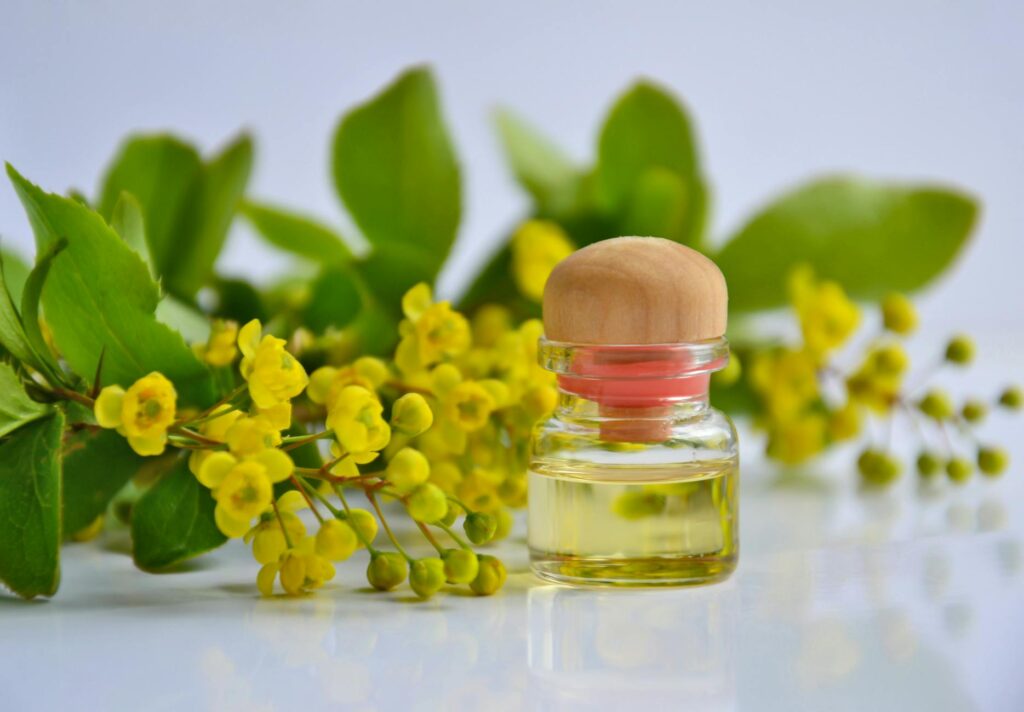
Is DIY Aromatherapy Recipes for Seasonal Skin Nourishment Safe? Uses, Benefits, and Precautions
Introduction
As the seasons change, so do the needs of our skin. Factors such as temperature fluctuations, humidity levels, and exposure to environmental stressors can lead to dryness, irritation, and other skin concerns. To address these challenges, many individuals turn to DIY aromatherapy recipes that incorporate essential oils and natural ingredients known for their skin-nourishing properties. This article explores the safety, uses, benefits, and precautions associated with DIY aromatherapy recipes designed for seasonal skin nourishment.
What Is DIY Aromatherapy Recipes for Seasonal Skin Nourishment?
DIY aromatherapy recipes for seasonal skin nourishment are custom formulations that blend essential oils with carrier oils, butters, and other natural ingredients to create topical treatments for the skin. These recipes can be tailored to address specific skin concerns, such as dryness, inflammation, or sensitivity, making them versatile and personal. Common applications include lotions, balms, scrubs, and facial oils designed to hydrate and protect the skin throughout the year.
Key Benefits and Properties
Hydration and Moisture Retention
Many essential oils and carrier oils contain emollient properties that help lock in moisture, making them ideal for combating dry skin. Ingredients like jojoba oil, sweet almond oil, and shea butter are popular in DIY recipes for their ability to create a protective barrier on the skin.
Anti-Inflammatory Effects
Several essential oils, such as lavender and chamomile, have anti-inflammatory properties that can help soothe irritated skin. These oils can reduce redness and discomfort, making them suitable for sensitive skin types.
Antioxidant Protection
Essential oils derived from plants are rich in antioxidants, which can help protect the skin from oxidative stress and free radical damage. Oils like rosehip and pomegranate seed oil are particularly noted for their high antioxidant content.
Aromatherapeutic Benefits
In addition to their physical properties, the aromatic qualities of essential oils can enhance emotional well-being. Scents such as bergamot and eucalyptus can uplift mood and promote relaxation, which can be particularly beneficial during seasonal transitions.
Common Uses
Hydrating Facial Oils
Combining essential oils with carrier oils creates nourishing facial oils that can be applied daily to hydrate and rejuvenate the skin. Popular choices include a blend of rosehip oil with lavender and frankincense essential oils.
Moisturizing Body Butters
DIY body butters made from shea or cocoa butter, infused with essential oils, can provide rich moisture to the skin. These butters are especially useful during colder months when skin tends to become dry and flaky.
Exfoliating Scrubs
Sugar or salt scrubs mixed with essential oils can exfoliate and hydrate the skin simultaneously. These scrubs can help remove dead skin cells, revealing smoother and more radiant skin underneath.
Calming Bath Soaks
Adding essential oils to bath soaks or bath products can create a relaxing experience for the body and mind. Oils like lavender and chamomile can be particularly soothing, making them ideal for stress relief.
Aromatherapy Applications
Dilution Guidelines
When creating DIY recipes, it is essential to dilute essential oils properly. A common guideline is to use a dilution ratio of 1-2% for topical applications. This equates to about 6-12 drops of essential oil per ounce of carrier oil.
Patch Testing
Before applying any new DIY concoction to a larger area of skin, a patch test is advisable. Apply a small amount of the blend to a discreet area (such as the inside of the wrist) and wait 24 hours to check for any adverse reactions.
Application Techniques
- Direct Application: For small areas, diluted essential oils can be applied directly to the skin.
- Massaging: Incorporating oils into a massage can enhance absorption and relaxation.
- Inhalation: Using a diffuser or inhaler can provide aromatic benefits without topical application.
Safety Considerations
Essential Oil Quality
The safety and effectiveness of DIY aromatherapy recipes greatly depend on the quality of the essential oils used. Always choose pure, therapeutic-grade essential oils from reputable suppliers to ensure they are free from additives and contaminants.
Skin Sensitivities and Allergies
Individuals with sensitive skin or allergies should exercise caution when using essential oils. Some oils may cause irritation or allergic reactions, particularly in those with existing skin conditions.
Avoiding Certain Oils
Certain essential oils are not recommended for use on the skin, especially in high concentrations. Oils like cinnamon, clove, and oregano can be irritating and should be avoided in DIY skin care recipes.
Special Populations
Pregnant or nursing individuals, as well as those with chronic health conditions, should consult with a healthcare provider before using essential oils. While many oils are considered safe, some may not be suitable for all individuals.
Storage and Shelf Life
Proper storage of DIY aromatherapy blends is vital to maintain their effectiveness and prevent degradation. Here are some tips for storage:
Dark Glass Containers
Store essential oils and DIY blends in dark glass containers to protect them from light exposure, which can degrade the oils over time.
Cool, Dry Place
Keep the containers in a cool, dry place away from direct sunlight and heat sources. This will help preserve the potency of the oils.
Shelf Life
The shelf life of DIY aromatherapy products can vary depending on the ingredients used. Generally, most blends can last between 6 months to 1 year. However, it is advisable to check for changes in smell or appearance before use.
Frequently Asked Questions
Can I use any essential oil for skin nourishment?
Not all essential oils are suitable for topical use. Research each oil’s properties and potential skin benefits before incorporating them into your recipes.
How do I know if I am allergic to an essential oil?
Conducting a patch test is the best method to determine allergy or sensitivity. If any irritation occurs, discontinue use immediately.
Are there any oils that should be avoided during pregnancy?
Yes, certain essential oils, such as rosemary and clary sage, should be avoided during pregnancy. Always consult a healthcare provider if in doubt.
Can I use essential oils in my homemade soaps or lotions?
Yes, essential oils can enhance the aroma and benefits of homemade soaps and lotions. Ensure proper dilution and research the specific oils you plan to use.
Is it safe to use essential oils on children?
While some essential oils can be used safely on children, it is essential to dilute them further and consult with a healthcare professional for recommendations tailored to a child’s age and skin type.
Conclusion
DIY aromatherapy recipes for seasonal skin nourishment can be a delightful and beneficial addition to your skincare routine. By harnessing the natural properties of essential oils and carrier oils, you can create personalized blends that cater to the diverse needs of your skin throughout the year. However, it is crucial to prioritize safety by researching ingredients, conducting patch tests, and adhering to proper dilution guidelines. With mindfulness and care, you can enjoy the myriad benefits of aromatherapy while nourishing your skin effectively.