
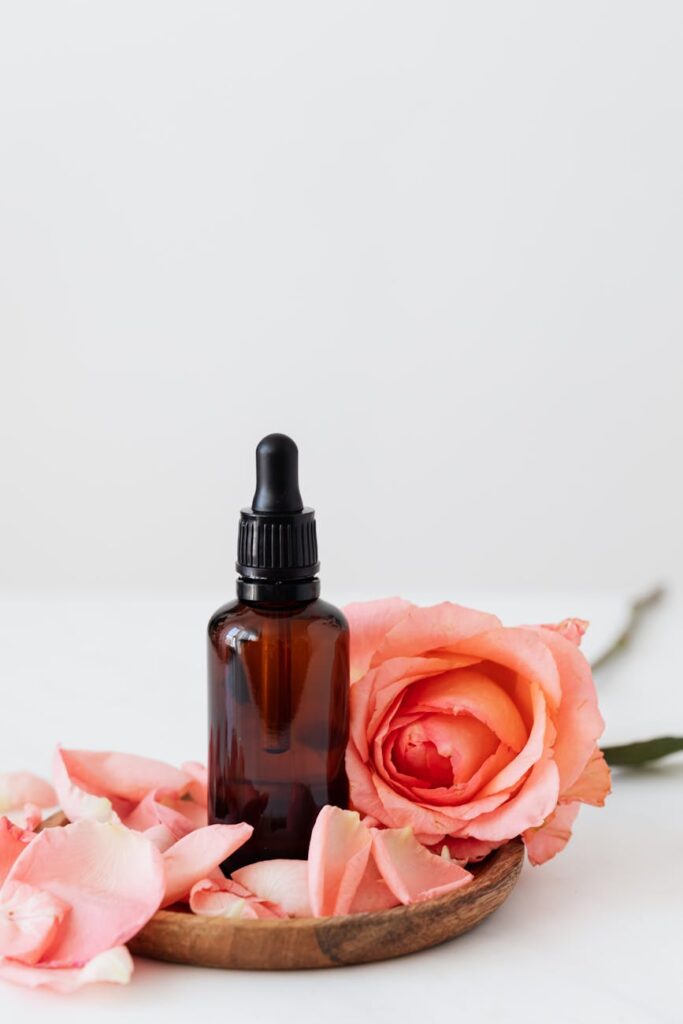
Is DIY Aromatherapy Recipes for Self-Care with Rose Oil Safe? Uses, Benefits, and Precautions
Introduction
Aromatherapy, the practice of using essential oils for therapeutic purposes, has gained popularity as a holistic approach to self-care. Among the myriad of essential oils available, rose oil stands out for its exquisite fragrance and numerous benefits. This article explores the safety, uses, benefits, and precautions related to DIY aromatherapy recipes incorporating rose oil, providing a comprehensive guide for those interested in harnessing its potential for self-care.
What Is DIY Aromatherapy Recipes for Self-Care with Rose Oil?
DIY aromatherapy recipes involve blending essential oils with carrier oils or other ingredients to create personalized products that cater to specific needs. Rose oil, derived from the petals of the Rosa damascena or Rosa centifolia, is known for its captivating scent and is often used in perfumes, cosmetics, and wellness products. When used in DIY recipes, rose oil can enhance emotional well-being, promote relaxation, and contribute to skin health.
Key Benefits and Properties
Rose oil is cherished not only for its aroma but also for its wide range of potential benefits:
1. Emotional Well-being: The scent of rose oil is often associated with feelings of love, compassion, and tranquility. It can help reduce stress and anxiety, promoting a sense of calm.
2. Skin Health: Rose oil is believed to possess anti-inflammatory properties, making it beneficial for various skin conditions. It may help soothe irritation, hydrate the skin, and even improve the appearance of scars.
3. Antimicrobial Properties: Some studies suggest that rose oil has antimicrobial effects, which may aid in protecting the skin from infections.
4. Hormonal Balance: Rose oil is sometimes recommended for its potential to balance hormones, which can be particularly beneficial during menstrual cycles or times of emotional upheaval.
5. Aphrodisiac Qualities: Traditionally, rose oil has been regarded as an aphrodisiac, believed to enhance romantic feelings and intimacy.
Common Uses
Rose oil can be used in various DIY aromatherapy recipes, including:
- Massage Oils: Combined with a carrier oil, rose oil can create a luxurious massage blend that promotes relaxation and emotional balance.
- Bath Products: Adding rose oil to bath water can create a soothing and fragrant experience, helping to unwind after a long day.
- Skin Care: Incorporating rose oil into lotions or creams can enhance skin hydration and provide a soothing effect.
- Room Sprays: A simple spray made with rose oil can create a calming atmosphere, perfect for meditation or relaxation.
- Inhalation Blends: Inhalation of rose oil through a diffuser or steam can uplift mood and reduce stress.
- Container: Store rose oil in dark glass bottles to protect it from light, which can degrade its quality.
- Temperature: Keep the oil in a cool, dry place, away from direct sunlight and heat sources.
- Shelf Life: When stored correctly, rose oil typically has a shelf life of 1-2 years. However, it is advisable to check for any changes in scent, color, or consistency before use. If any abnormalities are detected, it’s best to discard the oil.
Aromatherapy Applications
When using rose oil in DIY recipes, several methods can be employed:
1. Diffusion: Adding a few drops of rose oil to a diffuser can disperse its aroma throughout a room, enhancing the ambiance and promoting emotional well-being.
2. Topical Application: Always dilute rose oil with a carrier oil, such as jojoba, sweet almond, or coconut oil, before applying it to the skin. A common dilution ratio is 2-3 drops of essential oil per teaspoon of carrier oil.
3. Bath Soaks: To create a relaxing bath, mix 5-10 drops of rose oil with a carrier oil or unscented bath salts before adding it to warm water.
4. Inhalation: For immediate mood enhancement, place a few drops of rose oil on a cotton ball and inhale deeply.
5. Potpourri: Adding rose oil to potpourri can enhance its fragrance, creating a delightful and soothing environment.
Safety Considerations
While rose oil offers numerous benefits, safety is paramount when using essential oils. Here are important precautions to consider:
1. Skin Sensitivity: Conduct a patch test before using rose oil topically. Apply a diluted drop to a small area of skin and observe for any adverse reactions over 24 hours.
2. Dilution: Essential oils should never be used undiluted on the skin. Always mix with a carrier oil to avoid irritation.
3. Pregnancy and Nursing: Pregnant or nursing individuals should consult a healthcare professional before using rose oil, as some essential oils may affect hormonal balance.
4. Allergies: Those with allergies to roses or related plants should avoid using rose oil.
5. Interactions with Medications: If you are on medication, consult a healthcare professional regarding potential interactions with essential oils.
6. Storage: Keep rose oil out of reach of children and store it in a cool, dark place to maintain its potency.
Storage and Shelf Life
Proper storage of rose oil is essential to maintain its quality and effectiveness. Here are some guidelines:
Frequently Asked Questions
1. Can I use rose oil for all skin types?
Rose oil is generally safe for most skin types, but those with sensitive or oily skin should conduct a patch test before full application.
2. How do I choose a quality rose oil?
Look for 100% pure, therapeutic-grade rose oil from reputable sources. Avoid synthetic fragrances, which may not provide the same benefits.
3. Can I use rose oil in cooking or food?
Rose oil is not typically recommended for culinary use. Always ensure that any essential oil is labeled as food-grade if intended for consumption.
4. Is rose oil safe for children?
While rose oil can be used with children, it is crucial to dilute it properly and consult a healthcare professional for guidance.
5. How can I enhance the effects of rose oil?
Combining rose oil with complementary oils, such as lavender or bergamot, can amplify its benefits, creating a synergistic effect.
6. Are there any side effects of using rose oil?
When used correctly, rose oil is considered safe. However, some individuals may experience skin irritation or allergic reactions. Always perform a patch test before use.
Conclusion
DIY aromatherapy recipes with rose oil can provide numerous benefits for self-care, from enhancing emotional well-being to promoting skin health. By understanding its properties, applications, and safety considerations, individuals can safely incorporate rose oil into their self-care routines. As with any essential oil, responsible use and proper storage are vital to enjoying the full range of benefits that rose oil has to offer.