
Is DIY Aromatherapy Recipes for Sleep Enhancement Safe? Uses, Benefits and Precautions
Introduction
In recent years, the quest for natural solutions to enhance sleep has gained significant popularity. Among these solutions, aromatherapy—especially the use of essential oils—has emerged as a favored approach. DIY aromatherapy recipes for sleep enhancement offer individuals an opportunity to craft personalized blends tailored to their specific needs. However, while these methods can be beneficial, it is essential to understand their properties, uses, and safety considerations to ensure a positive experience.
What Is DIY Aromatherapy Recipes for Sleep Enhancement?
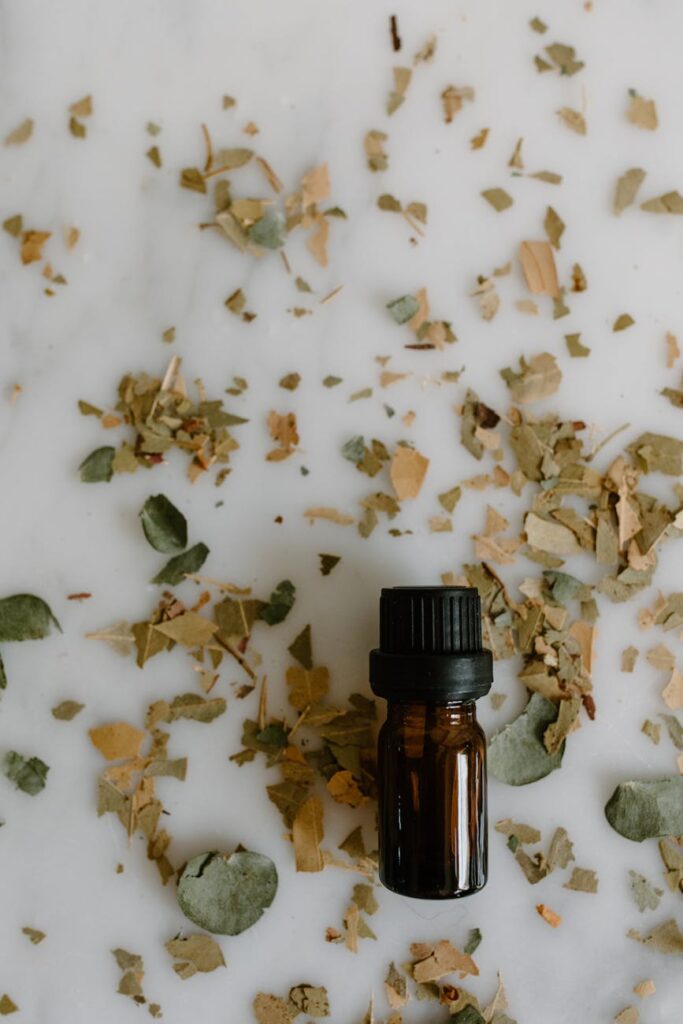
DIY aromatherapy recipes for sleep enhancement involve the blending of essential oils with carrier oils or other mediums to create personalized formulations aimed at promoting relaxation and improving sleep quality. Essential oils are concentrated extracts derived from various parts of plants, including leaves, flowers, stems, and roots. These oils possess unique aromatic profiles and therapeutic properties.
In the context of sleep enhancement, certain essential oils are commonly utilized for their calming and soothing effects. DIY recipes can range from simple single-oil applications to more complex blends that combine multiple oils, each contributing to the overall effect.
Key Benefits and Properties
The benefits of DIY aromatherapy for sleep enhancement are rooted in the properties of specific essential oils. Some key benefits include:
1. Relaxation: Many essential oils, such as lavender, chamomile, and bergamot, are known for their relaxing properties. Inhaling these aromas can help reduce anxiety and tension, promoting a sense of calm.
2. Mood Enhancement: Certain oils can uplift the mood and create a positive atmosphere conducive to sleep. Citrus oils, such as sweet orange and mandarin, are often used for this purpose.
3. Improved Sleep Quality: Studies have suggested that essential oils may help improve sleep quality by reducing the time it takes to fall asleep and increasing overall sleep duration.
4. Stress Relief: Aromatherapy can aid in alleviating stress, which is a common barrier to restful sleep. Oils like frankincense and ylang-ylang are frequently used for their stress-relieving properties.
Common Uses
DIY aromatherapy recipes for sleep enhancement can be utilized in various ways, including:
1. Diffusion: Using an essential oil diffuser is one of the most popular methods. Add a few drops of your chosen essential oil or blend to water in the diffuser. The mist releases the aroma into the air, creating a soothing environment.
2. Topical Application: Essential oils can be applied to the skin when diluted with a carrier oil (such as coconut, jojoba, or almond oil). Common application areas include pulse points, such as wrists, neck, and temples.
3. Bath Blends: Adding essential oils to a warm bath can create a calming atmosphere. Mixing oils with a carrier oil or an emulsifier like Epsom salt before adding them to the bathwater is recommended to prevent skin irritation.
4. Sleep Pillows: Spritzing a sleep pillow or bedding with a diluted essential oil mixture can also enhance the sleep environment.
5. Inhalation: Direct inhalation of essential oils can be done by placing a few drops on a cotton ball and inhaling the aroma, or by adding oils to a bowl of hot water for steam inhalation.
Aromatherapy Applications
When creating DIY aromatherapy recipes for sleep enhancement, consider the following essential oils known for their sleep-related benefits:
1. Lavender (Lavandula angustifolia): Renowned for its calming properties, lavender oil is often used in sleep blends to promote relaxation and reduce anxiety.
2. Chamomile (Matricaria chamomilla): Chamomile is frequently used for its soothing effects, helping to ease tension and promote a sense of peace.
3. Bergamot (Citrus bergamia): This citrus oil is known for its mood-lifting properties, making it a popular choice for reducing stress and anxiety.
4. Cedarwood (Cedrus atlantica): Cedarwood oil is often cited for its sedative effects, which can help improve overall sleep quality.
5. Ylang-Ylang (Cananga odorata): This floral oil is known for its stress-relieving properties, often used to create a tranquil environment.
Blending these oils can be done in various ratios based on personal preference. A common blend might include 5 drops of lavender, 3 drops of chamomile, and 2 drops of bergamot.
Safety Considerations
While DIY aromatherapy recipes can be beneficial, it is crucial to observe safety precautions:
1. Dilution: Essential oils are highly concentrated and should be diluted with a carrier oil before topical application to prevent skin irritation. A general guideline is to use a 2-3% dilution (approximately 6-12 drops of essential oil per ounce of carrier oil).
2. Patch Test: Before applying a new essential oil blend to the skin, perform a patch test on a small area to check for any adverse reactions.
3. Consultation: For individuals with existing health conditions, pregnant or breastfeeding women, and those taking medication, consulting a healthcare professional before using essential oils is advisable.
4. Quality of Oils: Use high-quality, pure essential oils from reputable sources. Synthetic fragrances or adulterated oils may not provide the desired effects and could cause adverse reactions.
5. Avoid Ingestion: Essential oils should not be ingested unless under the guidance of a qualified healthcare provider. Ingestion can lead to toxicity or harmful side effects.
Storage and Shelf Life
Proper storage of essential oils is essential to maintain their efficacy. Here are some tips:
1. Cool, Dark Place: Store essential oils in a cool, dark place away from direct sunlight and heat. This helps prevent degradation.
2. Tight-Sealing Bottles: Use dark glass bottles (amber or cobalt) with tight-sealing caps to protect the oils from light and air exposure, which can diminish their potency.
3. Shelf Life: The shelf life of essential oils varies; most oils last between 1 to 3 years if stored correctly. Some oils, like citrus oils, may have a shorter shelf life, while others, like patchouli and sandalwood, may improve with age.
Frequently Asked Questions
1. Can essential oils really improve sleep?
While many individuals report improved sleep quality with the use of essential oils, scientific studies on the efficacy of aromatherapy for sleep enhancement are still ongoing. Individual experiences may vary.
2. How many drops of essential oil should I use in a bath?
A typical recommendation is to add 5-10 drops of essential oil to a warm bath, mixed with a carrier oil or emulsifier to ensure proper dilution.
3. Are there any essential oils to avoid for sleep?
Some stimulating essential oils, such as peppermint and eucalyptus, may not be conducive to sleep and should be used with caution in sleep blends.
4. How do I know which essential oils are best for me?
Consider your personal preferences and any specific sleep challenges you may face. Experimentation with different oils can help you identify which aromas resonate with you and promote relaxation.
5. Can children use essential oils for sleep?
While some essential oils can be safe for children, it is crucial to dilute them appropriately and consult with a healthcare professional for specific recommendations.
Conclusion
DIY aromatherapy recipes for sleep enhancement can be a valuable tool in creating a relaxing bedtime routine. By understanding the properties, uses, and safety considerations of essential oils, individuals can craft personalized blends that promote restful sleep. As with any holistic approach, it is essential to be mindful of individual needs and preferences, ensuring a safe and enjoyable experience.