
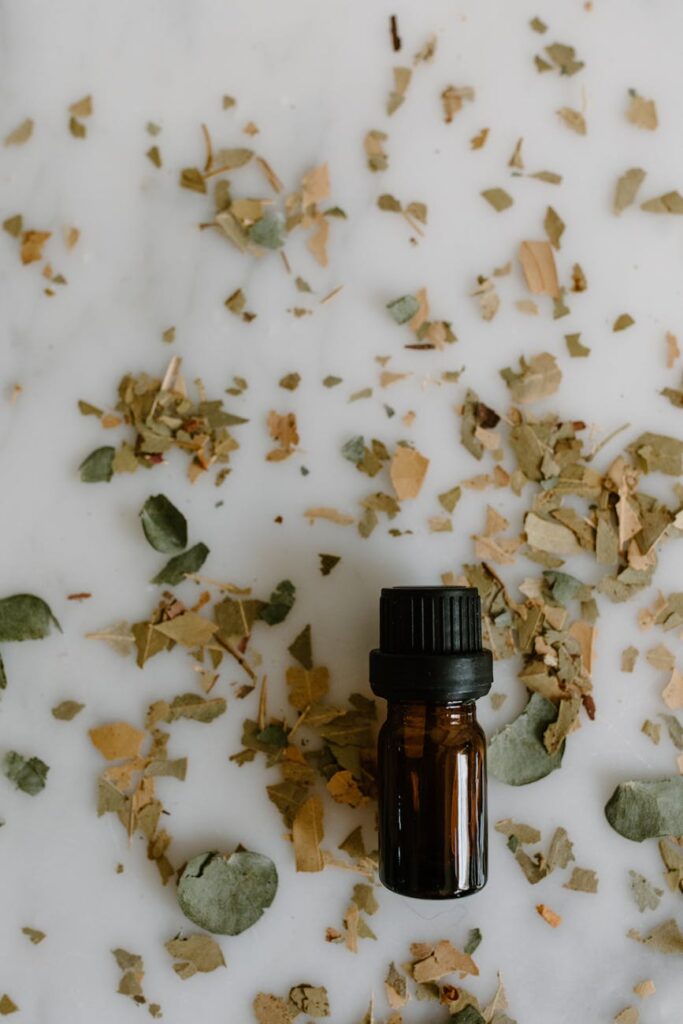
Is DIY Aromatherapy Recipes for Sleep Support with Cedarwood Oil Safe? Uses, Benefits and Precautions
Introduction
In recent years, the popularity of essential oils and aromatherapy has surged, with many individuals seeking natural methods to enhance their well-being. Among these, cedarwood oil has emerged as a favored choice for promoting restful sleep. This article explores DIY aromatherapy recipes using cedarwood oil for sleep support, discussing its benefits, common uses, and safety considerations.
What Is DIY Aromatherapy Recipes for Sleep Support with Cedarwood Oil?
DIY aromatherapy involves creating your own blends of essential oils tailored to specific needs, such as promoting better sleep. Cedarwood oil, derived from the wood of cedar trees, is known for its warm, woody aroma and is often included in sleep support recipes. The process of making your own aromatherapy blends allows for customization based on personal preferences and individual responses to various scents.
Key Benefits and Properties
Cedarwood oil possesses a range of properties that make it particularly beneficial for sleep support:
- Calming Effect: The soothing aroma of cedarwood oil is believed to promote relaxation and reduce anxiety, creating an ideal environment for sleep.
- Sedative Qualities: Some studies suggest that cedarwood oil may help to induce sleep by acting as a natural sedative, aiding in the transition from wakefulness to sleep.
- Antimicrobial Properties: Cedarwood oil has been recognized for its antimicrobial properties, which may contribute to overall wellness and a healthier sleep environment.
- Improved Air Quality: When used in a diffuser, cedarwood oil can help purify the air, making the sleeping environment more conducive to restful sleep.
- Sleep Pillows: Adding cedarwood oil to pillow sprays or directly to pillows can create a calming atmosphere conducive to sleep.
- Massage Oils: Blending cedarwood oil with a carrier oil can provide a relaxing bedtime massage, promoting physical and mental relaxation.
- Bath Soaks: Adding cedarwood oil to a warm bath can enhance relaxation, allowing for a peaceful transition into sleep.
- Diffusion: Using a diffuser to disperse cedarwood oil in the bedroom can help create a tranquil environment, making it a popular choice for nightly rituals.
- 1 cup distilled water
- 1 tablespoon witch hazel or vodka
- 10-15 drops cedarwood oil
- Optional: 5-10 drops of lavender oil for added relaxation
- 2 tablespoons carrier oil (such as sweet almond oil or jojoba oil)
- 5-10 drops cedarwood oil
- Optional: A few drops of chamomile or bergamot oil for enhanced calming effects
- 1 cup Epsom salt
- 10-15 drops cedarwood oil
- Optional: 5 drops of ylang-ylang or sandalwood oil
- 5 drops cedarwood oil
- 3 drops lavender oil
- 2 drops bergamot oil
- Dilution: Essential oils should always be diluted in a carrier oil before applying to the skin to avoid irritation. A common rule of thumb is to use a 1% to 3% dilution for topical applications.
- Patch Test: Before using cedarwood oil extensively, perform a patch test by applying a small amount of the diluted oil to a discreet area of skin. Monitor for any adverse reactions.
- Pregnancy and Nursing: Pregnant or nursing individuals should consult with a qualified professional before using essential oils, including cedarwood oil, as some oils may not be suitable during these periods.
- Children and Pets: Cedarwood oil should be used with caution around children and pets. Always consult with a healthcare professional or veterinarian regarding the use of essential oils in these cases.
- Medical Conditions: Individuals with specific medical conditions or those taking medications should consult a healthcare professional before using cedarwood oil, as it may interact with certain medications or exacerbate certain conditions.
- Dark Glass Bottles: Store cedarwood oil in dark glass bottles to protect it from light, which can degrade essential oils.
- Cool, Dry Place: Keep the oil in a cool, dry place away from direct sunlight and heat sources to prolong its shelf life.
- Shelf Life: Generally, cedarwood oil has a shelf life of about 3 to 5 years when stored correctly. Always check for any changes in color, smell, or consistency before use.
Common Uses
Cedarwood oil can be integrated into various DIY aromatherapy recipes aimed at enhancing sleep quality. Here are some common applications:
Aromatherapy Applications
DIY Sleep Pillow Spray
Ingredients:
Instructions:
1. In a spray bottle, combine distilled water and witch hazel or vodka.
2. Add cedarwood oil and any optional oils.
3. Shake well before each use and lightly spray your pillow and bed linens before sleep.
Cedarwood Massage Oil
Ingredients:
Instructions:
1. In a small bowl, blend the carrier oil with cedarwood oil and any optional oils.
2. Use this mixture for a calming massage before bed, focusing on areas of tension.
Cedarwood Bath Soak
Ingredients:
Instructions:
1. Combine Epsom salt and cedarwood oil (and optional oils) in a bowl.
2. Add this mixture to warm bath water and soak for at least 20 minutes before bed.
Diffuser Blend
Ingredients:
Instructions:
1. Add the essential oils to a water-filled diffuser according to the manufacturer’s instructions.
2. Diffuse in the bedroom about 30 minutes before sleep to create a calming atmosphere.
Safety Considerations
While cedarwood oil is generally considered safe for use in aromatherapy, there are essential safety precautions to keep in mind:
Storage and Shelf Life
To maintain the quality and potency of cedarwood oil, proper storage is essential:
Frequently Asked Questions
Can cedarwood oil be used for children?
Cedarwood oil can be used for children, but it is crucial to dilute it properly and consult with a healthcare professional for appropriate usage guidelines.
How often can I use cedarwood oil for sleep support?
Cedarwood oil can be used daily as part of a bedtime routine, but individual preferences vary. Listening to your body and adjusting usage accordingly is essential.
Can cedarwood oil be mixed with other essential oils?
Yes, cedarwood oil can be effectively blended with other calming essential oils, such as lavender, chamomile, or bergamot, to enhance its soothing properties.
Is cedarwood oil safe for pets?
Cedarwood oil should be used with caution around pets. Always consult with a veterinarian before using essential oils around animals, as some oils can be harmful to them.
What should I do if I experience skin irritation from cedarwood oil?
If skin irritation occurs, discontinue use immediately and wash the area with mild soap and water. If irritation persists, consult a healthcare professional.
Conclusion
Cedarwood oil offers numerous benefits as part of a DIY aromatherapy routine aimed at supporting sleep. Its calming properties, pleasant aroma, and versatility make it a popular choice among those seeking natural solutions for better rest. However, it is essential to approach its use with an understanding of safety considerations and best practices. By integrating cedarwood oil into your bedtime rituals thoughtfully, you can create a serene environment conducive to restful sleep.