
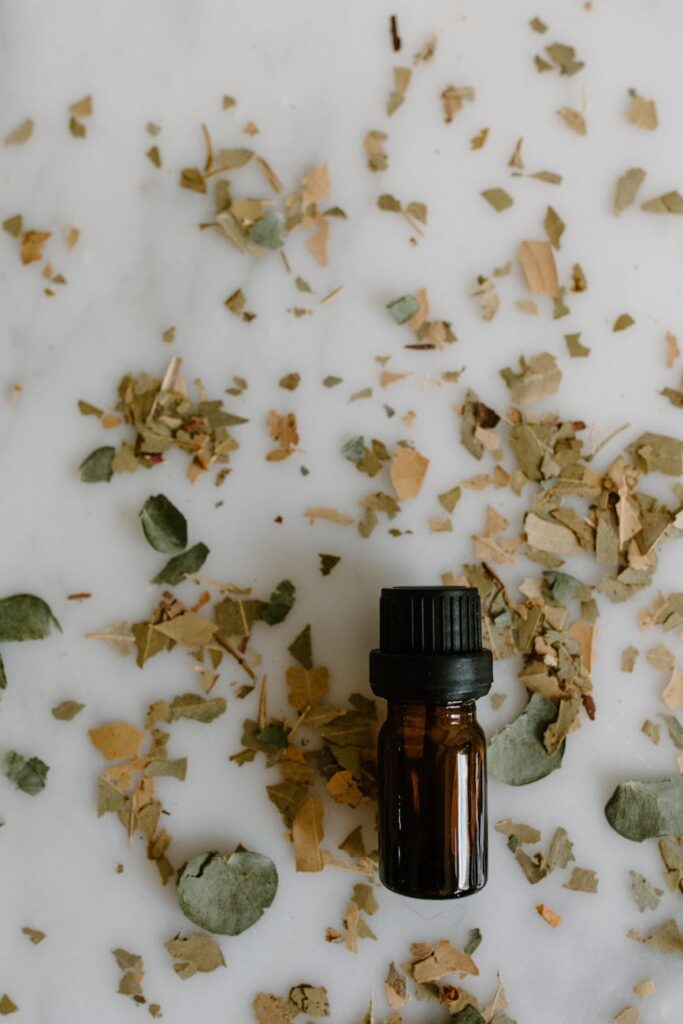
Is DIY Aromatherapy Recipes for Sleep Support with Neroli Oil Safe? Uses, Benefits and Precautions
Introduction
As stress and anxiety levels continue to rise in today’s fast-paced world, many individuals are turning to natural remedies to support their overall well-being. Aromatherapy, particularly the use of essential oils, has gained significant popularity as a holistic approach to enhancing emotional and physical health. Among the myriad of essential oils available, Neroli oil stands out for its calming properties, making it a favored choice for sleep support. This article delves into the safety, uses, benefits, and precautions associated with DIY aromatherapy recipes featuring Neroli oil for sleep.
What Is DIY Aromatherapy Recipes for Sleep Support with Neroli Oil?
DIY aromatherapy refers to the practice of creating personalized blends of essential oils at home to promote emotional and physical wellbeing. Neroli oil, derived from the blossoms of the bitter orange tree (Citrus aurantium), is particularly esteemed for its strong floral aroma and soothing qualities. When incorporated into sleep support recipes, Neroli oil can help create a serene environment conducive to relaxation and restful sleep.
Basic Characteristics of Neroli Oil
- Source: Extracted from the blossoms of the bitter orange tree.
- Aroma: Sweet, floral, and slightly spicy.
- Chemical Composition: Rich in linalool, geraniol, and other compounds that contribute to its calming effects.
- 1 cup distilled water
- 10 drops Neroli oil
- 5 drops lavender oil (optional for added calming effect)
- 1 tablespoon witch hazel or vodka (as a preservative)
- 1 cup Epsom salt
- 15 drops Neroli oil
- 10 drops chamomile oil (optional)
- 2 tablespoons carrier oil (such as sweet almond or jojoba)
- 5 drops Neroli oil
Key Benefits and Properties
Neroli oil boasts a multitude of benefits, making it a popular choice in aromatherapy practices. Some of its most notable properties include:
1. Calming Effects
Neroli oil is known for its ability to reduce anxiety and promote feelings of calmness. Its soothing aroma can help alleviate stress, making it beneficial for those struggling with sleep disturbances related to anxiety.
2. Mood Enhancement
The uplifting scent of Neroli can enhance mood and foster a sense of happiness. This emotional uplift can be particularly useful in creating a peaceful atmosphere conducive to sleep.
3. Sleep Induction
Research has suggested that the calming properties of Neroli oil may aid in inducing sleep, helping to shorten the time it takes to fall asleep and improving sleep quality.
4. Relaxation of Muscles
Neroli oil may help relax tense muscles, which can be particularly beneficial for individuals who experience physical discomfort that interferes with sleep.
Common Uses
Neroli oil can be employed in various DIY aromatherapy recipes designed for sleep support. Here are some common uses:
1. Diffusion
One of the simplest ways to enjoy the benefits of Neroli oil is through diffusion. Using an essential oil diffuser, the oil can be dispersed into the air, creating a calming environment.
2. Bath Soak
Adding a few drops of Neroli oil to a warm bath can enhance relaxation and promote sleep. The combination of warm water and the soothing scent can be particularly effective.
3. Pillow Spray
Creating a pillow spray with Neroli oil can help create a tranquil atmosphere as you prepare for sleep. This can be a simple mixture of water, a carrier oil, and Neroli oil.
4. Massage Oil
When diluted with a carrier oil, Neroli oil can be used for a calming massage. This method not only promotes relaxation but also provides a sense of physical comfort.
Aromatherapy Applications
Incorporating Neroli oil into your nighttime routine can be achieved through various methods. Here are some specific applications:
1. DIY Sleep Spray Recipe
Ingredients:
Instructions:
1. Combine the distilled water and witch hazel/vodka in a spray bottle.
2. Add the Neroli oil and lavender oil if using.
3. Shake well before each use.
4. Spray lightly onto your pillow or bed linens before bedtime.
2. Relaxing Bath Blend
Ingredients:
Instructions:
1. Combine the Epsom salt and essential oils in a bowl.
2. Mix thoroughly and store in a glass jar.
3. Add a few tablespoons to your warm bath before bedtime.
3. Soothing Massage Oil
Ingredients:
Instructions:
1. Mix the carrier oil and Neroli oil in a small glass bottle.
2. Use as a relaxing massage oil, focusing on areas of tension.
Safety Considerations
While Neroli oil is generally considered safe for most individuals, it is essential to observe certain precautions:
1. Skin Sensitivity
Always perform a patch test before using Neroli oil topically. Apply a small diluted amount to your forearm and monitor for any adverse reactions over 24 hours.
2. Dilution
Neroli oil should be diluted in a carrier oil before applying to the skin to minimize the risk of irritation. A common dilution ratio is 2-3 drops of essential oil per teaspoon of carrier oil.
3. Pregnancy and Nursing
Pregnant or nursing individuals should consult a qualified professional before using Neroli oil or any other essential oils.
4. Photosensitivity
Although Neroli oil is less likely to cause photosensitivity than citrus oils, it is still advisable to avoid direct sunlight or UV exposure on areas where the oil has been applied.
Storage and Shelf Life
To maintain the efficacy and quality of Neroli oil, proper storage is crucial. Here are some tips:
1. Keep Away from Sunlight
Store Neroli oil in a dark glass bottle to protect it from UV light, which can degrade its quality.
2. Cool, Dry Environment
Maintain a cool and dry environment for storage. Avoid areas with high humidity, such as bathrooms, and keep the oil away from heat sources.
3. Shelf Life
Neroli oil generally has a shelf life of about 2-3 years if stored correctly. However, always check for any changes in aroma or appearance before use.
Frequently Asked Questions
1. Can Neroli oil help with insomnia?
While Neroli oil is known for its calming effects, its efficacy may vary from person to person. Many individuals find it beneficial for relaxation and sleep support, but it is not a guaranteed solution for insomnia.
2. Can I use Neroli oil on my skin?
Neroli oil should always be diluted with a carrier oil before applying to the skin to minimize the risk of irritation. Always perform a patch test first.
3. Is Neroli oil safe for children?
While Neroli oil is generally considered safe, it is recommended to consult with a healthcare professional before using essential oils around children.
4. How can I enhance the effects of Neroli oil for sleep support?
Combining Neroli oil with other calming essential oils, such as lavender or chamomile, can enhance its effects. Additionally, incorporating relaxation techniques such as deep breathing or meditation can further support sleep.
5. What are the differences between Neroli oil and other citrus oils?
Neroli oil is derived from orange blossoms, while other citrus oils, such as orange or lemon, are extracted from the fruit peel. Neroli oil is known for its floral aroma and calming properties, while other citrus oils tend to be more uplifting and energizing.
Conclusion
Neroli oil offers an enticing option for those seeking natural methods to support sleep and relaxation. Its calming properties, combined with various DIY applications, can create a peaceful environment conducive to restful nights. However, it is essential to observe safety considerations, especially regarding skin sensitivity and proper dilution. By integrating Neroli oil thoughtfully into your nighttime routine, you may enhance your overall sleep experience and embrace the benefits of nature’s treasures.