
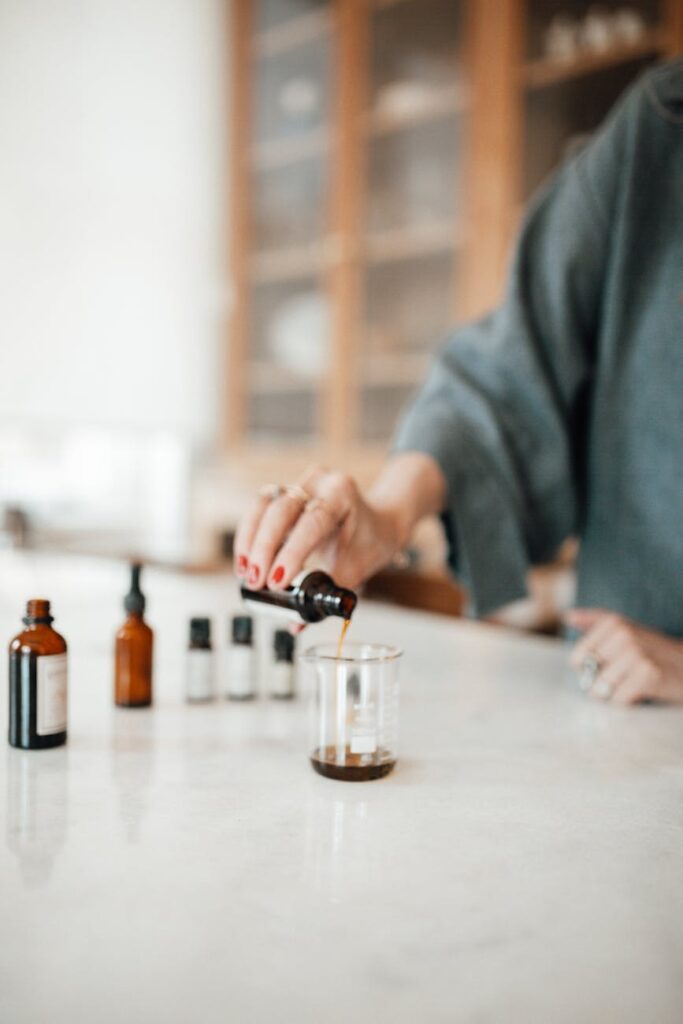
Is DIY Aromatherapy Recipes for Stress Relief Safe? Uses, Benefits and Precautions
Introduction
In an increasingly fast-paced world, many individuals seek natural alternatives to manage stress and promote relaxation. Aromatherapy, a holistic practice that utilizes essential oils derived from plants, has gained popularity as a method for enhancing well-being. This article explores the safety, uses, benefits, and precautions associated with DIY aromatherapy recipes specifically aimed at stress relief.
What Is DIY Aromatherapy Recipes for Stress Relief?
DIY aromatherapy recipes for stress relief involve creating blends of essential oils that can be used to alleviate feelings of anxiety and promote relaxation. These recipes can be tailored to individual preferences and needs, allowing users to combine various oils known for their calming properties.
Essential oils are concentrated extracts obtained from flowers, leaves, bark, stems, and roots of plants. They are typically obtained through steam distillation or cold pressing. When employed in aromatherapy, these oils can be inhaled, applied topically, or used in diffusers to enhance mood and create a sense of tranquility.
Key Benefits and Properties
Stress Relief
Aromatherapy is often employed for its potential to reduce feelings of stress and anxiety. Certain essential oils, such as lavender, chamomile, and bergamot, are particularly renowned for their calming effects. Their aromatic properties may influence the limbic system, the part of the brain that regulates emotions, thereby promoting relaxation.
Improved Sleep Quality
Many individuals use aromatherapy to enhance sleep quality. Oils like lavender and cedarwood are frequently utilized in bedtime routines to create a soothing environment conducive to rest.
Enhanced Mood and Emotional Well-being
Beyond relaxation, essential oils can uplift mood and foster emotional well-being. Citrus oils, such as sweet orange and lemon, are often used to promote positivity and combat feelings of sadness.
Reduced Muscle Tension
Some essential oils, such as peppermint and eucalyptus, may help alleviate physical tension in the body, contributing to an overall sense of relaxation.
Common Uses
DIY aromatherapy recipes for stress relief can be utilized in various forms, including:
Diffusers
Essential oils can be added to a diffuser, which disperses the aromatic compounds into the air. This method allows for a wide-ranging impact on the atmosphere of a room, creating a calming environment.
Topical Applications
Many individuals choose to create roller blends or massage oils that combine essential oils with a carrier oil, such as jojoba or sweet almond oil. These blends can be applied to pulse points, such as wrists and temples, or used in massage to promote relaxation.
Bath Soaks
Adding essential oils to bathwater can create a luxurious and calming experience. Oils like lavender and ylang-ylang can transform an ordinary bath into an aromatherapeutic retreat.
Inhalation
Simply inhaling the scent of essential oils directly from the bottle or through a cotton ball can provide immediate stress relief. This method is particularly useful for on-the-go situations.
Aromatherapy Applications
Recipes for Stress Relief
1. Calming Diffuser Blend
- Ingredients: 3 drops of lavender, 2 drops of bergamot, 1 drop of frankincense.
- Application: Add the oils to a diffuser filled with water and enjoy the calming aroma.
- Ingredients: 10 mL of carrier oil (jojoba or sweet almond), 5 drops of chamomile, 5 drops of ylang-ylang.
- Application: Mix the oils in a small bottle and apply to tense areas of the body, massaging gently.
- Ingredients: 5 drops of lavender, 5 drops of sandalwood, 1 cup of Epsom salt.
- Application: Combine the essential oils with Epsom salt and add to warm bath water for a soothing soak.
- Ingredients: 5 drops of peppermint, 5 drops of lemon, cotton inhaler stick.
- Application: Add the oils to a cotton inhaler stick and inhale as needed for a quick stress relief boost.
- Dark Glass Bottles: Store essential oils in dark glass bottles to protect them from light, which can degrade their quality.
- Cool, Dry Place: Keep oils in a cool, dry place, away from heat sources and direct sunlight.
- Citrus Oils: 1-2 years
- Herbaceous Oils: 3-5 years
- Woody Oils: 5-7 years
2. Relaxing Massage Oil
3. Soothing Bath Soak
4. Stress Relief Inhaler
Safety Considerations
While DIY aromatherapy can be beneficial, it is essential to consider safety precautions:
Skin Sensitivity
Some individuals may experience skin irritation or allergic reactions when using essential oils topically. It is advisable to conduct a patch test by applying a diluted oil on a small area of skin before full application.
Pregnancy and Breastfeeding
Certain essential oils may not be safe for use during pregnancy or breastfeeding. It is crucial for pregnant or nursing individuals to consult with a healthcare professional before using essential oils.
Children and Pets
Essential oils should be used with caution around children and pets. Some oils can be toxic to animals, and young children may have heightened sensitivity to certain scents. Always research the safety of specific oils before use in these contexts.
Quality of Essential Oils
The quality of essential oils can vary significantly. It is important to source oils from reputable suppliers that provide information about purity and testing. Look for oils that are labeled as 100% pure and free from synthetic additives.
Storage and Shelf Life
Proper storage of essential oils is crucial to maintaining their potency and effectiveness. Here are some guidelines:
Storage
Shelf Life
The shelf life of essential oils varies, with citrus oils typically having a shorter shelf life compared to woody oils. Here are general guidelines:
It is advisable to label bottles with the date of purchase to keep track of their freshness.
Frequently Asked Questions
1. Can I mix different essential oils?
Yes, blending different essential oils can create unique aromas and enhance their therapeutic effects. However, it is essential to research the compatibility of the oils being mixed.
2. How often can I use DIY aromatherapy recipes?
The frequency of use can vary depending on individual preferences and sensitivities. Many people find daily use beneficial, while others may prefer occasional use during particularly stressful times.
3. Are there any essential oils I should avoid?
Some essential oils, such as cinnamon and oregano, can be irritating to the skin and should be used with caution. It is best to research each oil and its properties before use.
4. Can essential oils replace medication for stress relief?
While essential oils can complement stress relief practices, they should not be seen as a replacement for medication or professional treatment. It is essential to consult with a healthcare professional for any concerns regarding mental health.
5. How do I know if an essential oil is pure?
Look for oils labeled as “100% pure” and check for third-party testing or certifications. Reputable suppliers will provide information about the oil’s origin, extraction method, and any testing conducted for purity.
Conclusion
DIY aromatherapy recipes for stress relief can offer a natural and calming way to enhance well-being. With a variety of applications and benefits, essential oils present an appealing option for those seeking stress management techniques. However, safety considerations, including proper dilution, quality sourcing, and awareness of individual sensitivities, are paramount. By employing these practices, individuals can safely explore the world of aromatherapy as a complementary approach to stress relief.