
Is Echinacea Extract Safe? Uses, Benefits, and Precautions
Introduction
Echinacea, a group of flowering plants belonging to the daisy family, has been widely used in traditional medicine, particularly among Native American cultures. Known for its potential immune-boosting properties, echinacea extract has gained popularity in the realm of natural health. This article aims to provide an in-depth exploration of echinacea extract, its benefits, common uses, and safety considerations, helping readers make informed decisions about its incorporation into their wellness routines.
What Is Echinacea Extract?
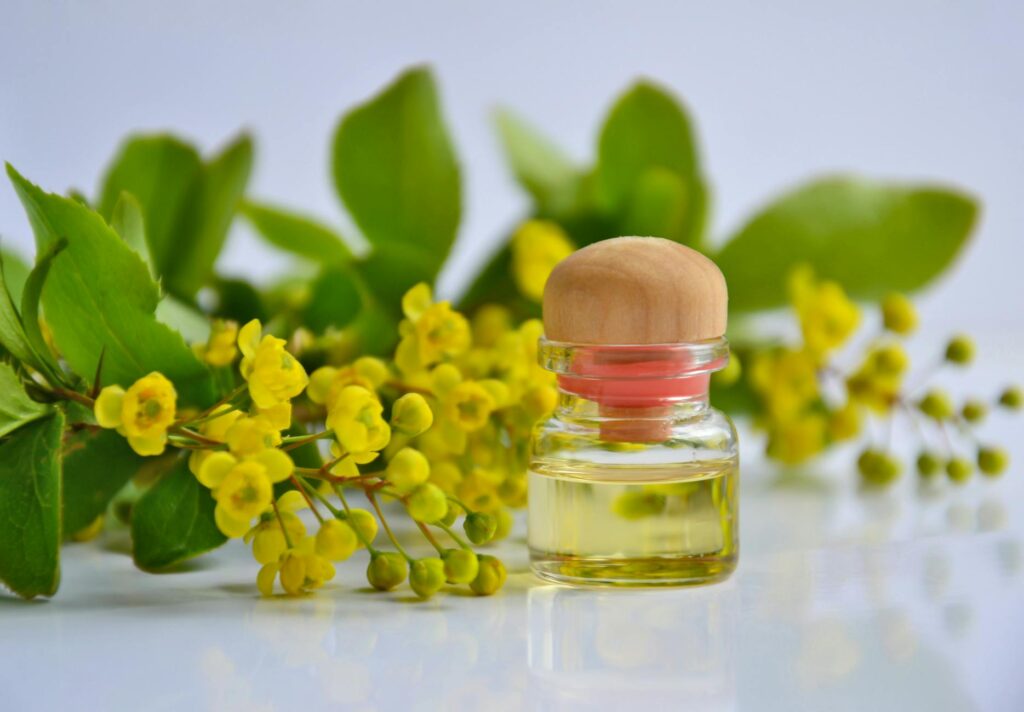
Echinacea extract is derived from the roots, leaves, and flowers of the Echinacea plant, commonly known as coneflower. There are several species of Echinacea, with Echinacea purpurea, Echinacea angustifolia, and Echinacea pallida being the most commonly used. The extract is typically prepared by steeping the plant material in alcohol or water, which helps to extract its active compounds.
These active compounds include alkamides, polysaccharides, and glycoproteins, which are believed to contribute to the plant’s therapeutic properties. Echinacea extract is available in various forms, including tinctures, capsules, and liquid extracts, making it accessible for different preferences and uses.
Key Benefits and Properties
Immune Support
One of the most celebrated benefits of echinacea extract is its potential to support the immune system. Research suggests that echinacea may enhance the body’s natural defenses by stimulating white blood cell production and increasing the activity of immune cells. This immune-boosting action is particularly sought after during cold and flu seasons.
Anti-Inflammatory Effects
Echinacea extract has been studied for its anti-inflammatory properties. Some compounds within the plant are thought to inhibit the production of pro-inflammatory cytokines, thereby potentially reducing inflammation in the body. This may contribute to its effectiveness in managing conditions characterized by inflammation.
Antioxidant Properties
Echinacea is rich in antioxidants, which help combat oxidative stress in the body. Antioxidants play a crucial role in neutralizing free radicals, potentially lowering the risk of chronic diseases and promoting overall health.
Skin Health
Echinacea extract is sometimes used topically for its potential benefits in skin health. Its anti-inflammatory and antimicrobial properties may aid in soothing skin irritations, acne, and other skin conditions. It is often included in skincare products for its purported ability to promote a clear and healthy complexion.
Common Uses
Dietary Supplement
Echinacea extract is commonly taken as a dietary supplement, particularly during the cold and flu season. It is available in various forms, including capsules, tablets, and liquid extracts. Many individuals use it as a preventive measure or to alleviate symptoms of respiratory infections.
Herbal Tea
Echinacea can also be consumed as a herbal tea. The dried flowers or leaves are steeped in hot water, providing a soothing beverage that may offer some of the plant’s potential benefits. Herbal teas are a popular way to incorporate echinacea into one’s diet without the need for supplements.
Topical Application
For those interested in skincare, echinacea extract can be found in ointments, creams, and serums. Its anti-inflammatory and antimicrobial properties make it a popular choice for promoting healthy skin and addressing minor irritations.
Aromatherapy Applications
While echinacea extract is not typically used in traditional aromatherapy, its potential benefits may be explored in various aromatic practices. Here are a few ways echinacea can be integrated into aromatherapy:
Diffusion
Though echinacea oil is not commonly used in diffusers, a blend incorporating echinacea extract with other essential oils known for their immune-supporting properties (such as tea tree or eucalyptus) may offer a synergistic effect. This can create a soothing and uplifting environment, particularly during cold and flu seasons.
Massage Oils
Echinacea extract can be added to carrier oils for use in massage blends. The anti-inflammatory properties may provide additional benefits during a massage, promoting relaxation and aiding in muscle recovery.
Bath Soaks
Incorporating echinacea extract into bath soaks can provide a calming experience. Pairing it with essential oils such as lavender or chamomile may enhance the soothing effects, making it a delightful addition to a self-care routine.
Safety Considerations
General Safety
Echinacea extract is generally considered safe for most individuals when used appropriately. However, as with any herbal supplement, there are some precautions to consider:
1. Allergies: Individuals with allergies to plants in the Asteraceae family (such as ragweed, marigolds, or daisies) may be more likely to experience allergic reactions to echinacea. Symptoms may include skin rashes, itching, or respiratory issues.
2. Pregnancy and Breastfeeding: Limited research exists regarding the safety of echinacea during pregnancy and breastfeeding. It is advisable for pregnant or nursing individuals to consult with a healthcare professional before using echinacea extract.
3. Autoimmune Disorders: Individuals with autoimmune conditions may want to exercise caution when using echinacea, as its immune-stimulating properties could potentially exacerbate symptoms.
4. Drug Interactions: Echinacea may interact with certain medications, including immunosuppressants and sedatives. Anyone taking prescription medications should consult a healthcare provider before starting echinacea extract.
Dosage
While echinacea is available in various forms, it is essential to follow the recommended dosages on product labels or as advised by a healthcare professional. Overuse of echinacea may lead to gastrointestinal upset or other side effects.
Storage and Shelf Life
To maintain the potency of echinacea extract, proper storage is crucial. It should be kept in a cool, dark place away from direct sunlight and moisture. Liquid extracts typically have a shelf life of one to two years when stored correctly. Capsules and tablets may have a longer shelf life, but it is essential to check the expiration date on the packaging.
Frequently Asked Questions
1. Can echinacea prevent colds?
While echinacea is often used to support the immune system, its effectiveness in preventing colds is still a topic of research. Some studies suggest it may reduce the duration and severity of symptoms, but results can vary.
2. How long does it take for echinacea to work?
The time it takes for echinacea to produce effects can vary among individuals. Some may notice improvements within a few days, while others may require consistent use over a longer period.
3. Are there any side effects of echinacea?
Echinacea is generally well-tolerated, but possible side effects can include gastrointestinal upset, dizziness, or allergic reactions. If any adverse effects occur, it is advisable to discontinue use and consult a healthcare professional.
4. Is echinacea safe for children?
While echinacea is sometimes used in children, it is essential to consult with a healthcare provider regarding appropriate dosages and potential risks, particularly for young children.
5. Can I use echinacea topically?
Yes, echinacea extract can be used topically in creams and ointments. It is often used to soothe minor skin irritations, but it is advisable to perform a patch test first to check for any allergic reactions.
Conclusion
Echinacea extract has a rich history of use in traditional medicine and offers a variety of potential benefits, particularly in supporting the immune system. While it is generally considered safe for most individuals, it is essential to be aware of potential allergies, interactions, and proper usage. As with any herbal supplement, consulting with a healthcare professional before starting echinacea extract is advisable, particularly for those with underlying health conditions or those taking medications. With proper care and consideration, echinacea extract can be a valuable addition to one’s wellness regimen.