
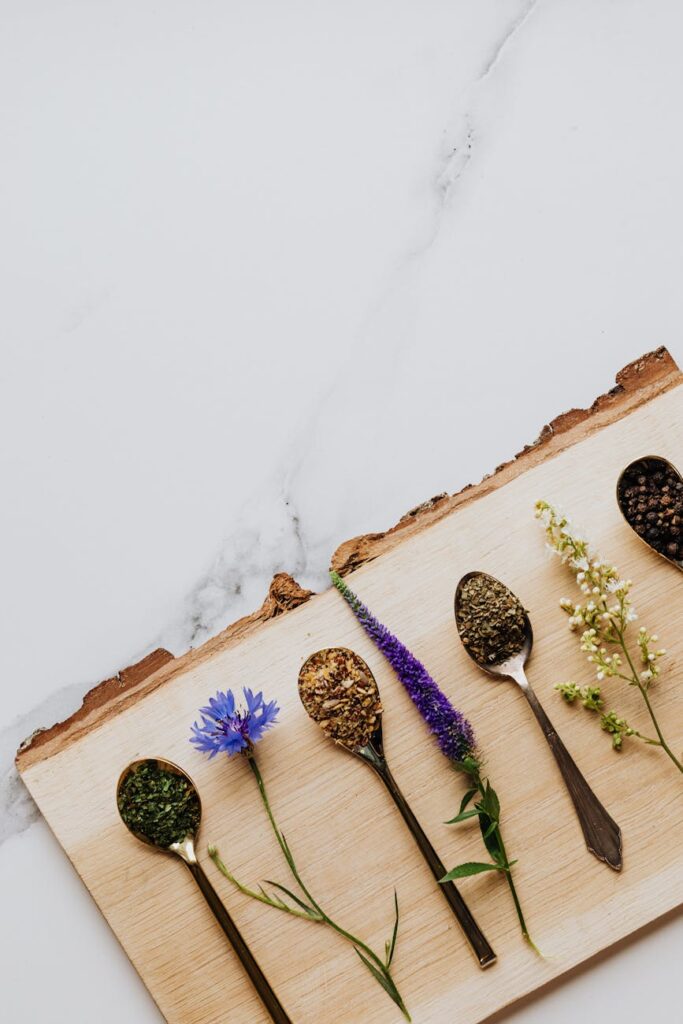
Is Edible Flowers Safe? Uses, Benefits and Precautions
Introduction
Edible flowers have been a part of culinary traditions around the world for centuries. Often celebrated for their vibrant colors and delicate flavors, these blooms are not only used to enhance the visual appeal of dishes but also to enrich them with unique tastes and aromas. However, as with any ingredient, it’s essential to understand their safety, uses, and benefits, along with any precautions to take when incorporating them into our diets or therapeutic practices. This article aims to explore the fascinating world of edible flowers, their applications, and what you need to know to safely enjoy them.
What Are Edible Flowers?
Edible flowers are blooms that can be safely consumed. They come from various plant families and can be used in a multitude of ways, ranging from garnishing dishes to being incorporated into salads, desserts, and beverages. Some popular varieties include nasturtiums, pansies, violets, marigolds, and lavender, among others. Many edible flowers are known for their distinct flavors, which can range from sweet to spicy, while some are more fragrant than flavorful.
When considering edible flowers, it’s important to differentiate between those that are safe for consumption and those that are not. While many flowers are safe and delicious, others can be toxic or cause allergic reactions.
Key Benefits and Properties
1. Nutritional Value: Edible flowers can offer a variety of nutrients essential for health, including vitamins, minerals, and antioxidants. For example, nasturtiums are rich in vitamin C, while dandelion flowers contain vitamin A.
2. Aesthetic Appeal: The vibrant colors and unique shapes of edible flowers can enhance the aesthetic quality of dishes, making meals more visually appealing. This can be particularly valuable in culinary presentations, where the visual aspect is as crucial as taste.
3. Flavor Enhancement: Many edible flowers have distinct flavors that can complement various dishes. For instance, the peppery taste of nasturtium can add an interesting twist to salads, while the sweetness of violets can enhance desserts.
4. Aromatherapy: Some edible flowers, such as lavender and chamomile, are also used in aromatherapy for their calming and soothing properties. They can be infused in oils or teas, contributing to relaxation and well-being.
Common Uses
Edible flowers can be utilized in various culinary applications:
- Salads: Flowers like nasturtiums and pansies can be used to add color and flavor to salads, providing a delightful contrast to leafy greens.
- Beverages: Many edible flowers can be infused into teas, cocktails, or even water for a refreshing and aromatic drink. Lavender-infused lemonade, for example, is both fragrant and flavorful.
- Desserts: Flowers such as violets and roses can be sugared and used to adorn cakes, pastries, and other sweet treats, adding both beauty and flavor.
- Garnishes: Edible flowers can serve as elegant garnishes for various dishes, enhancing the presentation of everything from soups to main courses.
- Herbal Remedies: While not a substitute for medical treatments, some edible flowers like calendula and chamomile are known for their traditional uses in herbal remedies and teas.
- Fresh Flowers: Store fresh edible flowers in a sealed container or wrapped in damp paper towels to maintain moisture. They can typically last for 3–7 days.
- Dried Flowers: If you have dried edible flowers, ensure they are kept in an airtight container in a cool, dark place. Dried flowers can last for several months to a year, depending on the type.
- Freezing: Some edible flowers can be frozen for longer storage. For example, pansies can be frozen in ice cubes, making them an attractive addition to beverages later on.
Aromatherapy Applications
In the realm of aromatherapy, certain edible flowers are valued for their essential oils and fragrances. Lavender, for instance, is renowned for its calming properties and is often used in diffusers, massage oils, and bath products. Other flowers, such as jasmine and rose, are also used for their soothing and uplifting scents.
When using edible flowers in aromatherapy, it’s important to ensure they are sourced from reputable suppliers to avoid any chemical residues. Always consult an expert in aromatherapy or a qualified practitioner before using floral extracts, especially if you have allergies or sensitivities.
Safety Considerations
While many edible flowers are safe to consume, there are several important safety considerations to keep in mind:
1. Identification: Properly identify the flower before consumption. Some flowers look similar to edible varieties but can be toxic. For example, the foxglove flower is beautiful but poisonous.
2. Source: Only consume flowers that are sourced from organic and pesticide-free environments. Many commercially available flowers are treated with chemicals that can be harmful if ingested.
3. Allergies: Be aware of any allergies you may have. Some individuals may have allergic reactions to specific flowers, which can result in symptoms ranging from mild irritation to severe reactions.
4. Moderation: As with any food, moderation is key. While edible flowers can be a wonderful addition to your diet, they should not be the main component of meals.
5. Consultation: If you are pregnant, nursing, or have existing health conditions, consult with a healthcare provider before consuming edible flowers.
Storage and Shelf Life
The shelf life of edible flowers varies depending on the type and storage conditions. Generally, they should be stored in a cool, dry place, preferably in the refrigerator. Here are some tips for proper storage:
Frequently Asked Questions
1. Are all flowers safe to eat?
No, not all flowers are safe to eat. It’s crucial to identify edible flowers and ensure they are sourced from reliable sources. Always research or ask an expert before consuming any flower.
2. Can edible flowers cause allergic reactions?
Yes, just like any food, edible flowers can cause allergic reactions in some individuals. If you have a history of allergies, especially to plants, it’s best to proceed with caution.
3. How can I incorporate edible flowers into my diet?
You can add edible flowers to salads, desserts, and beverages, or use them as garnishes for various dishes. Experimenting with different flowers can yield delightful results.
4. Where can I find edible flowers?
Edible flowers can often be found at farmers’ markets, specialty grocery stores, or grown in home gardens. Ensure they are grown organically and free from pesticides.
5. What are some popular edible flowers?
Common edible flowers include nasturtiums, pansies, violets, marigolds, and lavender. Each offers unique flavors and aesthetic qualities.
Conclusion
Edible flowers present a delightful way to enhance culinary experiences while offering potential health benefits. From adding visual appeal to enriching flavors, these blooms can transform everyday dishes into extraordinary creations. However, safety must always be a priority. By understanding which flowers are edible, sourcing them responsibly, and being mindful of any allergies, you can enjoy the beauty and flavor of edible flowers with confidence. As you explore this fascinating aspect of gastronomy and aromatherapy, remember to approach with curiosity and caution.