
Is Elderflower Syrup Extract Safe? Uses, Benefits, and Precautions
Introduction
Elderflower syrup extract, derived from the blossoms of the elderberry tree (Sambucus nigra), has gained popularity in recent years for its aromatic qualities and potential health benefits. Traditionally used in various cultures for its flavor and fragrance, elderflower syrup extract is now embraced in culinary applications, beverages, and aromatherapy practices. This article aims to explore the essence of elderflower syrup extract, its benefits, uses, and safety considerations to provide a comprehensive understanding of this beloved botanical.
What Is Elderflower Syrup Extract?
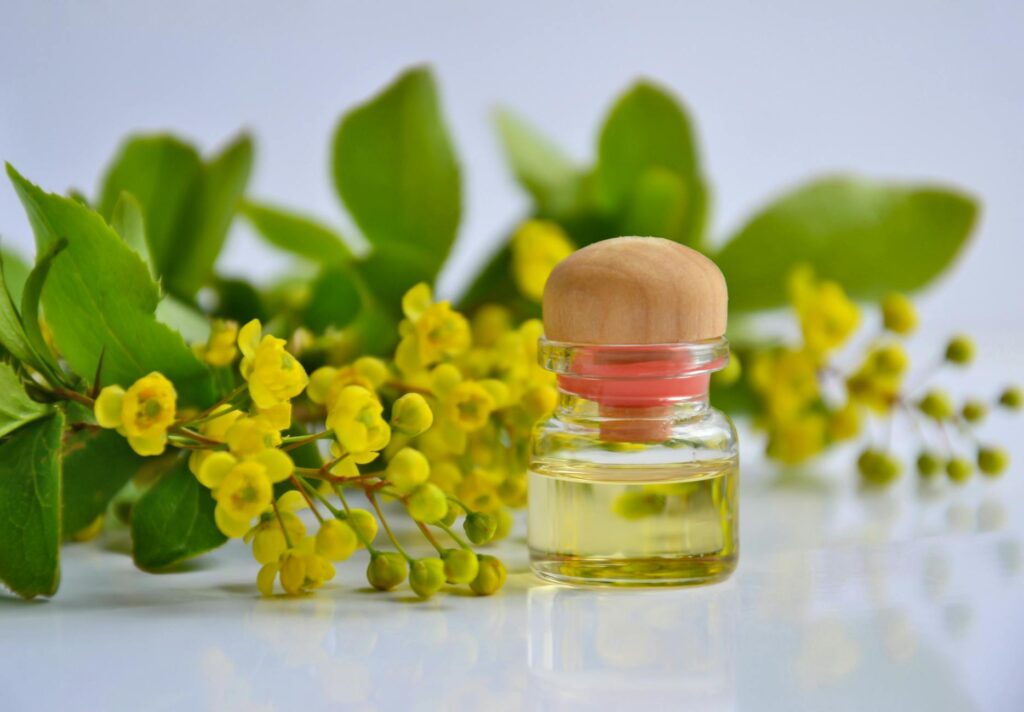
Elderflower syrup extract is a concentrated solution made from the delicate white flowers of the elderberry tree. The extraction process typically involves steeping fresh or dried elderflowers in water and sugar, resulting in a sweet, fragrant syrup. This syrup can be further processed to create an extract, which is a more concentrated form that retains the floral aroma and flavor while offering a range of beneficial properties.
Elderflower has been used in traditional medicine and culinary practices for centuries, particularly in Europe. The flowers bloom in late spring to early summer, and their subtle fragrance makes them a favorite in various recipes, from cocktails to desserts.
Key Benefits and Properties
Elderflower syrup extract is prized not only for its flavor but also for its potential benefits. While it is essential to note that scientific research on elderflower is ongoing, several properties have been associated with elderflower:
1. Antioxidant Properties: Elderflowers are rich in flavonoids, which are known for their antioxidant capabilities. Antioxidants help combat oxidative stress in the body, potentially reducing the risk of chronic diseases.
2. Anti-inflammatory Effects: Some studies suggest that elderflower may possess anti-inflammatory properties, which could help mitigate inflammation in the body.
3. Immune Support: Traditionally, elderflower has been used to support the immune system. Its potential antiviral and antibacterial properties may help the body fend off common illnesses.
4. Hydration: The syrup can be used to create refreshing beverages, potentially aiding in hydration, especially during warmer months.
5. Respiratory Health: Elderflower has been used in traditional remedies for respiratory issues, as it may help soothe throat irritation and promote respiratory wellness.
Common Uses
Elderflower syrup extract is versatile and can be used in a variety of applications, including:
1. Culinary Uses: Elderflower syrup is often used as a sweetener in desserts, cocktails, and beverages. It adds a floral note to drinks like sparkling water, lemonade, and cocktails. In cooking, it can be drizzled over pancakes, yogurt, or fruit salads.
2. Beverages: The syrup is a popular ingredient in cocktails, such as the classic elderflower gin and tonic. It can also be used to create non-alcoholic drinks, making it a favorite for summer parties and gatherings.
3. Infusions: Elderflower syrup extract can be used to infuse oils or vinegars, adding a unique flavor profile to dressings and marinades.
4. Cosmetic Applications: Due to its fragrance and potential skin benefits, elderflower extract is often found in cosmetic products, including lotions and creams.
Aromatherapy Applications
Elderflower syrup extract is increasingly utilized in aromatherapy for its pleasant scent and potential emotional benefits. In aromatherapy, essential oils and extracts are used to promote wellness and relaxation. While elderflower is not typically distilled into an essential oil, its extract can be blended with other oils to create calming and uplifting diffusions.
Common Aromatherapy Practices:
1. Diffusion: Elderflower syrup extract can be added to a diffuser with other essential oils to create a soothing atmosphere. Its floral notes can evoke feelings of tranquility and joy.
2. Bath Products: Incorporating elderflower extract into bath oils or salts can enhance relaxation and provide a sensory experience.
3. Massage Oils: Elderflower extract can be blended with carrier oils for use in massage, offering both a pleasant fragrance and potential skin benefits.
Safety Considerations
While elderflower syrup extract is generally considered safe for consumption and use in aromatherapy, certain precautions should be observed:
1. Allergies: Individuals with allergies to plants in the Sambucus family or those who are sensitive to pollen should exercise caution. A patch test is advisable when using in topical applications.
2. Pregnancy and Breastfeeding: Due to limited research, pregnant or breastfeeding individuals should consult a healthcare professional before using elderflower products.
3. Interactions with Medications: Elderflower may interact with certain medications, including diuretics and anti-diabetic drugs. Consultation with a healthcare professional is recommended for those on medication.
4. Quality of Product: Ensure that the elderflower syrup extract is sourced from reputable suppliers to avoid contamination or adulteration.
5. Dosage: While elderflower syrup can be enjoyed in moderation, excessive consumption may lead to digestive discomfort. It is best to follow recommended serving sizes.
Storage and Shelf Life
To maintain the quality and flavor of elderflower syrup extract, proper storage is essential:
1. Cool, Dark Place: Store the syrup in a cool, dark place away from direct sunlight to preserve its flavor and potency.
2. Refrigeration: Once opened, keeping the syrup refrigerated can extend its shelf life. Always check for signs of spoilage, such as changes in color, odor, or texture.
3. Expiration: Homemade elderflower syrup typically lasts for a few weeks to a few months, depending on the preservation method. Commercial products often have a longer shelf life, as they may contain preservatives.
Frequently Asked Questions
1. How do I make elderflower syrup extract at home?
To make elderflower syrup, you can steep fresh elderflowers in water with sugar and lemon juice. Allow the mixture to sit for 24 hours, strain out the solids, and store the syrup in a clean bottle.
2. Can I use dried elderflowers to make syrup?
Yes, dried elderflowers can be used to make syrup as well. The flavor may be slightly different, so be sure to adjust your steeping time accordingly.
3. Is elderflower syrup extract safe for children?
Elderflower syrup can be safe for children in moderation, but it is advisable to consult a healthcare professional before introducing new herbal products, especially for younger children.
4. How can I use elderflower syrup extract in cooking?
Elderflower syrup can be drizzled over desserts, used as a sweetener in beverages, or incorporated into salad dressings and marinades for a unique flavor boost.
5. Where can I purchase elderflower syrup extract?
Elderflower syrup extract can be found at health food stores, specialty shops, and online retailers. Always choose products from reputable brands to ensure quality.
Conclusion
Elderflower syrup extract is a delightful and versatile product with a rich history of culinary and aromatic use. Its potential benefits, combined with its pleasant flavor and fragrance, make it a popular choice among herbal enthusiasts and culinary creatives alike. While generally considered safe, it is essential to remain informed about proper usage and precautions. As with any herbal product, individuals should take care to source quality extracts and consult healthcare professionals when necessary.