
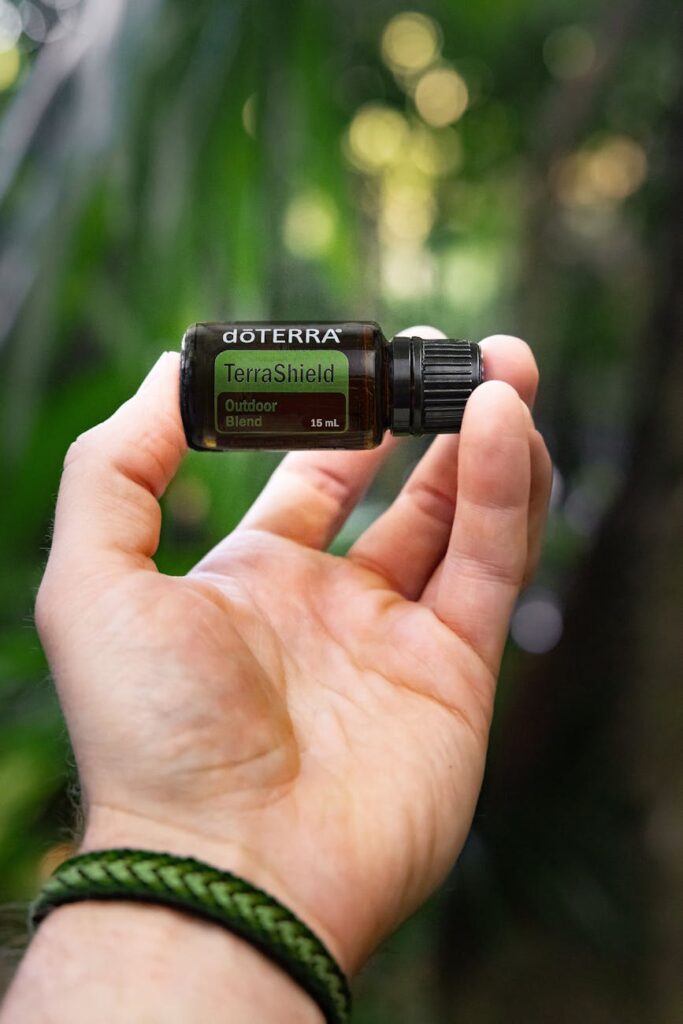
Is Essential Oil Blends for Detoxification and Purification Safe? Uses, Benefits and Precautions
Introduction
Essential oils have gained popularity as a natural remedy for various physical and emotional concerns. Among their many applications, blends designed for detoxification and purification are particularly sought after. These blends are crafted from various plant extracts, each contributing its unique properties to support the body’s natural cleansing processes. This article explores the nature of these essential oil blends, their benefits, common uses, and safety considerations.
What Is Essential Oil Blends for Detoxification and Purification?
Essential oil blends for detoxification and purification typically combine oils known for their cleansing and uplifting properties. These blends may include oils such as lemon, peppermint, eucalyptus, tea tree, and lavender, among others. Detoxification refers to the body’s natural process of eliminating toxins, while purification focuses on creating a clean and balanced environment, both physically and emotionally. The synergistic effect of the combined oils is believed to enhance their individual properties, promoting overall well-being.
Key Benefits and Properties
The benefits associated with essential oil blends for detoxification and purification are diverse and can be grouped into several key areas:
1. Cleansing Properties: Many essential oils, such as lemon and grapefruit, are known for their ability to support liver function and promote the elimination of toxins.
2. Antimicrobial Effects: Oils like tea tree and eucalyptus possess antimicrobial properties, making them useful for purifying air and surfaces.
3. Emotional Balance: Certain oils, including lavender and bergamot, are known for their calming effects, helping to alleviate stress and promote emotional clarity.
4. Respiratory Support: Oils such as peppermint and eucalyptus can help clear the airways, making breathing easier and promoting a sense of invigoration.
5. Mood Enhancement: Citrus oils, in particular, are often uplifting and can improve mood, making them a popular choice in aromatherapy.
Common Uses
Essential oil blends for detoxification and purification can be employed in various ways. Some of the common applications include:
- Diffusion: Adding a few drops of the blend to a diffuser can disperse the oil into the air, promoting a clean and rejuvenating atmosphere.
- Topical Application: Diluting essential oils with a carrier oil and applying them to pulse points or areas of concern can enhance their effects. This method is often used for both detoxifying the skin and providing localized support.
- Bathing: Incorporating essential oils into bath water can create a soothing experience while promoting relaxation and detoxification through the skin.
- Household Cleaning: Many essential oil blends can be used in homemade cleaning solutions, leveraging their antimicrobial properties to purify surfaces.
- Inhalation: Direct inhalation from the bottle or by placing drops on a tissue can provide immediate benefits, particularly for respiratory concerns.
- Relaxation and Stress Relief: Blends that include calming oils like lavender or chamomile can be used during meditation or yoga practices to enhance relaxation.
- Energy Boost: Citrus oils blended with peppermint can invigorate the senses and provide energy during times of fatigue.
- Seasonal Support: During allergy seasons or when colds are prevalent, respiratory-supporting blends can be diffused to create a more comfortable environment.
- Emotional Clarity: Blends that combine uplifting scents can help clear mental fog and promote focus, making them ideal for study or work environments.
- Cool, Dark Place: Store essential oils in a cool, dark place, away from direct sunlight and heat sources, which can degrade their quality over time.
- Tightly Sealed Containers: Always ensure that bottles are tightly sealed to prevent oxidation and evaporation.
- Check Expiration Dates: Essential oils do not expire in the traditional sense but can lose potency over time. Most oils have a shelf life of 1-3 years, depending on the oil type.
- Use Glass Bottles: Essential oils should be stored in dark glass bottles to protect them from light exposure.
Aromatherapy Applications
In aromatherapy, the use of essential oil blends for detoxification and purification is becoming increasingly popular. Here are some specific applications:
Safety Considerations
While essential oil blends can provide numerous benefits, it is crucial to approach their use with caution. Here are some important safety considerations:
1. Dilution: Essential oils are highly concentrated and should always be diluted before topical application. A general guideline is to use 1-2 drops of essential oil per teaspoon of carrier oil.
2. Skin Sensitivity: Conduct a patch test before applying a new blend to ensure there is no adverse reaction. Apply a small amount of diluted oil to a discreet area and wait 24 hours to observe any reactions.
3. Pregnancy and Nursing: Some essential oils are not recommended for use during pregnancy or while nursing. It is advisable to consult with a healthcare professional before using any essential oil blends in these circumstances.
4. Allergies and Sensitivities: Individuals with known allergies should exercise caution and consult ingredient lists meticulously. Certain oils may trigger allergic responses.
5. Children and Pets: Certain essential oils can be harmful to children and pets. Always research specific oils before use in homes with young children or animals.
6. Quality of Oils: The purity and quality of essential oils can vary significantly. It is important to select oils from reputable sources that provide testing information to ensure safety and efficacy.
Storage and Shelf Life
Proper storage of essential oils is crucial for maintaining their potency and effectiveness. Here are some tips:
Frequently Asked Questions
1. Can I use essential oil blends for detoxification every day?
Daily use can be beneficial; however, it is important to listen to your body and adjust based on individual needs. Consider rotating blends to prevent sensitization.
2. Are there any essential oils I should avoid?
Certain oils, like wintergreen and clove, should be used with caution, especially around children, pets, and during pregnancy. Always conduct thorough research or consult a professional.
3. How do I choose the right blend for detoxification?
Selecting a blend often depends on personal preference and specific needs. Consider your goals—whether you seek emotional balance, respiratory support, or cleansing properties—and choose a blend accordingly.
4. Are essential oils safe to ingest?
While some essential oils are considered safe for ingestion, many are not. Always consult with a healthcare professional before considering ingestion and ensure oils are labeled for dietary use.
5. Can essential oil blends replace medical treatments?
Essential oil blends can complement wellness practices but should not replace conventional medical treatments. It’s important to consult healthcare providers for any health concerns.
Conclusion
Essential oil blends for detoxification and purification offer a natural way to enhance well-being. With their diverse properties and applications, these blends can play a supportive role in creating a balanced and healthy lifestyle. However, safety considerations should always be a priority. By understanding how to use these oils properly, you can harness their benefits while minimizing potential risks.