
Is Essential Oil Blends for Invigorating and Refreshing Spaces Safe? Uses, Benefits and Precautions
Introduction
Essential oils have become increasingly popular as natural solutions for enhancing the ambiance of various spaces. This article aims to explore essential oil blends specifically designed for invigorating and refreshing environments. Through a detailed examination of their properties, uses, benefits, and safety considerations, readers will gain a comprehensive understanding of how to use these aromatic compounds effectively.
What Is Essential Oil Blends for Invigorating and Refreshing Spaces?
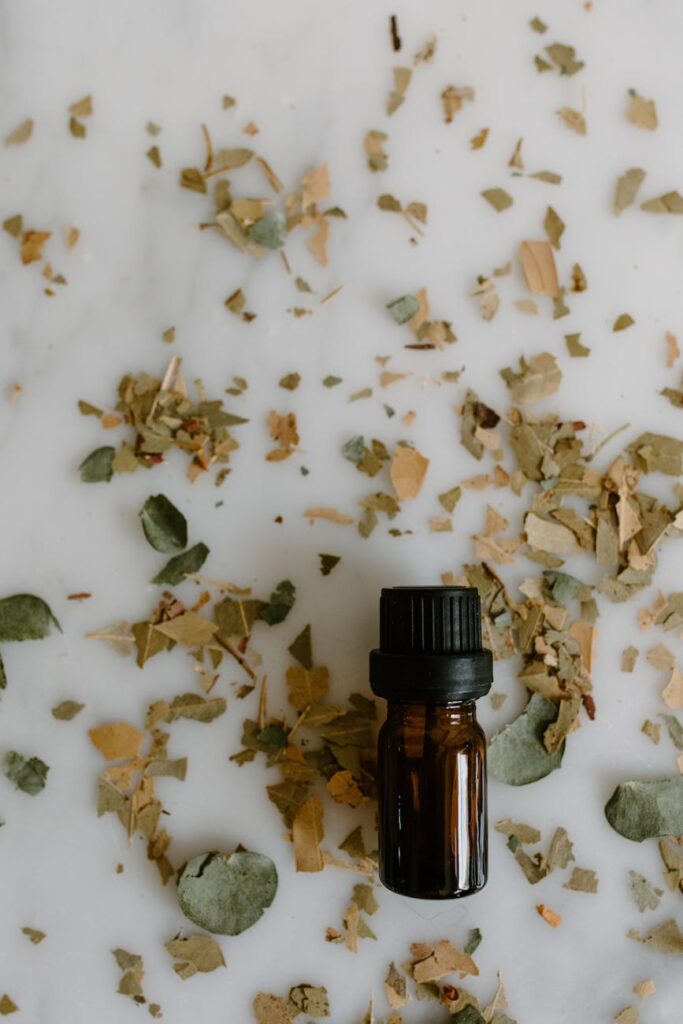
Essential oil blends are combinations of concentrated plant extracts that capture the aromatic essence of their source. When formulated for invigorating and refreshing spaces, these blends typically include oils known for their uplifting and energizing properties. Common ingredients might include citrus oils like lemon and orange, mint oils like peppermint, and herbal notes such as rosemary and eucalyptus.
These blends can be used in various forms, including diffusions, sprays, and topical applications, to transform the atmosphere of a room or area, creating a more vibrant and revitalizing environment.
Key Benefits and Properties
Invigoration and Energy
Many essential oils possess stimulating properties that can help increase energy levels and improve mood. Citrus oils, for example, are known for their refreshing scents that can uplift spirits and foster a sense of well-being.
Air Purification
Certain essential oils, such as eucalyptus and tea tree, have antibacterial and antiviral properties. When diffused, they can help purify the air, making spaces feel fresher and cleaner.
Stress Reduction
The aromatic compounds in essential oils like lavender and bergamot can help reduce feelings of stress and anxiety, contributing to a more serene atmosphere even in invigorating blends.
Enhanced Focus and Clarity
Essential oils such as rosemary and peppermint are often associated with improved concentration and mental clarity. Their invigorating scents can help enhance cognitive function and maintain alertness.
Common Uses
Home Environment
In residential settings, essential oil blends can be used in diffusers to create a refreshing atmosphere. They can also be added to homemade cleaning products, providing both a pleasant aroma and potential antimicrobial benefits.
Workspaces
In office environments, invigorating essential oil blends can help reduce fatigue and enhance productivity. Diffusing these blends during work hours may foster a more energized and focused atmosphere.
Yoga and Meditation
Essential oil blends can be used in yoga studios or during meditation practices to create a refreshing and uplifting environment. They can help participants feel more engaged and centered while promoting a sense of calm.
Spa and Wellness Centers
Many spas and wellness centers incorporate essential oil blends into their treatments. These oils can enhance the experience of massages and other therapies, contributing to relaxation and rejuvenation.
Aromatherapy Applications
Diffusion
One of the most common methods of using essential oil blends is through diffusion. A diffuser disperses essential oils into the air, allowing their aromatic properties to fill a space. This method is effective for both invigorating and refreshing environments, as it promotes even distribution.
Topical Application
When diluted with a carrier oil, essential oils can be applied topically. This method allows the oils to interact with the body’s natural systems, though caution is necessary to avoid skin irritation.
Inhalation
Direct inhalation from the bottle or from a cotton ball can provide immediate access to the invigorating properties of essential oils. This method is often used for quick bursts of energy or focus.
Room Sprays
Creating a room spray with essential oil blends can be an effective way to refresh a space. Mixing essential oils with water and a small amount of alcohol in a spray bottle allows for easy application whenever needed.
Safety Considerations
While essential oil blends can provide numerous benefits, it is essential to use them safely to avoid adverse reactions.
Skin Sensitivity
Some essential oils can cause irritation when applied topically, particularly when used undiluted. It is advisable to conduct a patch test before applying any new oil to the skin. Diluting essential oils with a carrier oil, such as jojoba or coconut oil, is recommended to minimize potential irritation.
Allergies and Respiratory Issues
Individuals with allergies or respiratory conditions should exercise caution when using essential oils. Some oils can trigger allergic reactions or exacerbate respiratory issues. It is advisable to consult with a healthcare professional if there are concerns about potential allergies.
Pets and Children
Certain essential oils can be toxic to pets. It is crucial to research which oils are safe for use around animals and to keep them out of reach of children. Always opt for child-safe blends and consult with a veterinarian regarding the use of essential oils in households with pets.
Quality of Essential Oils
The quality of essential oils can vary widely between brands. It is prudent to choose oils that are labeled as 100% pure and therapeutic grade. This ensures that they are free from synthetic additives, which can diminish their effectiveness and safety.
Storage and Shelf Life
Proper storage of essential oils is vital to maintain their potency and effectiveness. Essential oils should be kept in dark, glass containers to protect them from light and heat. They should be stored in a cool, dry place, away from direct sunlight or humidity.
The shelf life of essential oils varies depending on their type and quality. Generally, citrus oils have a shorter shelf life (1-2 years) compared to oils like patchouli or sandalwood, which can last for several years if stored correctly. It is advisable to check for any changes in scent or consistency as indicators of oil degradation.
Frequently Asked Questions
Are essential oil blends safe for everyone?
While many people can safely use essential oil blends, individual sensitivities and allergies may vary. It is advisable to conduct a patch test and consult with a healthcare professional if there are concerns.
Can essential oils be ingested?
Ingesting essential oils is not recommended unless under the guidance of a qualified healthcare professional. Many essential oils can be toxic when consumed.
How can I create my own invigorating essential oil blend?
Creating a blend can be simple. Start with a base of 15-20 drops of your chosen essential oils, combining oils known for their invigorating properties. Dilute with a carrier oil if applying to the skin or mix with water for a room spray.
How often should I use essential oil blends in my home?
The frequency of use can vary based on personal preference. Regular diffusion can help maintain a refreshing atmosphere, while topical applications may only be needed when seeking specific benefits.
Are there any essential oils I should avoid?
Certain oils, such as wintergreen and eucalyptus, may not be suitable for children or pets. It is essential to research the safety of each oil and consult reliable sources.
Conclusion
Essential oil blends designed for invigorating and refreshing spaces offer a natural and enjoyable way to enhance one’s environment. With a wide array of benefits, from improving mood to purifying the air, these aromatic compounds can play a significant role in creating vibrant and uplifting atmospheres. However, it is crucial to approach their use with caution, adhering to safety guidelines and considering individual sensitivities. By understanding the properties and applications of these blends, one can harness the full potential of essential oils to enrich their living and working spaces.