
Is Essential Oil Blends for Seasonal Affective Disorder (SAD) Safe? Uses, Benefits, and Precautions
Introduction
Seasonal Affective Disorder (SAD) is a type of depression that occurs at specific times of the year, often during the fall and winter months when daylight hours are shorter. Individuals affected by SAD may experience a range of symptoms, including fatigue, mood swings, difficulty concentrating, and changes in sleep patterns. While traditional interventions like light therapy and counseling are commonly recommended, many people are exploring complementary approaches such as essential oils and aromatherapy. This article delves into essential oil blends for SAD, examining their safety, uses, benefits, and precautions.
What Is Essential Oil Blends for Seasonal Affective Disorder (SAD)?
Essential oils are concentrated plant extracts that capture the aromatic and therapeutic properties of specific plants. When blended, these oils can enhance their individual benefits, creating a synergistic effect that may help alleviate symptoms associated with SAD. Common essential oils used in blends for SAD include:
- Lemon: Known for its uplifting and refreshing aroma.
- Lavender: Valued for its calming and relaxing properties.
- Bergamot: Often used to improve mood and alleviate anxiety.
- Frankincense: Believed to promote emotional balance and tranquility.
- Peppermint: Stimulating and invigorating, often used to enhance focus.
- Mood Enhancement: Many essential oils are known for their ability to uplift mood and reduce feelings of sadness or anxiety. Citrus oils, in particular, are often correlated with increased feelings of happiness.
- Stress Relief: Oils like lavender and chamomile are recognized for their calming effects, potentially helping to ease stress and anxiety associated with SAD.
- Improved Sleep Quality: Certain essential oils can promote relaxation and improve sleep quality, which is often disrupted in individuals experiencing SAD.
- Increased Energy: Essential oils such as peppermint and rosemary may help invigorate and energize, counteracting the lethargy commonly associated with this disorder.
- Enhanced Focus and Concentration: Some oils are thought to stimulate the mind, helping individuals remain attentive and focused during the darker months.
- Diffusion: One of the most popular methods, essential oils can be diffused in the air using a diffuser. This method allows the scent to fill a room, creating a calming atmosphere.
- Inhalation: Direct inhalation from the bottle or a personal inhaler is another effective way to experience the benefits of essential oils quickly.
- Topical Application: Essential oils can be diluted with a carrier oil (such as jojoba or coconut oil) and applied to pulse points, such as wrists, temples, and behind the ears, for continuous support.
- Bathing: Adding essential oils to a warm bath can create an indulgent self-care experience, promoting relaxation and stress relief.
- Massage: When blended with a carrier oil, essential oils can be used in massage to enhance the overall experience and benefits.
- Dilution: Essential oils are highly concentrated and should always be diluted with a carrier oil before topical application. A general guideline is to use a 2-3% dilution for adults (approximately 12-18 drops of essential oil per ounce of carrier oil).
- Allergic Reactions: Conduct a patch test before using a new essential oil blend on the skin. Apply a small amount to a discreet area and wait 24 hours to check for any adverse reactions.
- Pregnancy and Nursing: Pregnant or nursing individuals should consult with a qualified healthcare provider before using essential oils, as some oils may not be safe during these periods.
- Children and Pets: Some essential oils can be harmful to children and pets. It is essential to research and ensure that the chosen oils are safe for all household members.
- Medical Conditions: Individuals with pre-existing medical conditions or those taking medications should consult a healthcare professional before using essential oil blends.
- Cool, Dark Place: Store essential oils in a cool, dark environment, away from direct sunlight and heat sources. A cabinet or drawer is ideal.
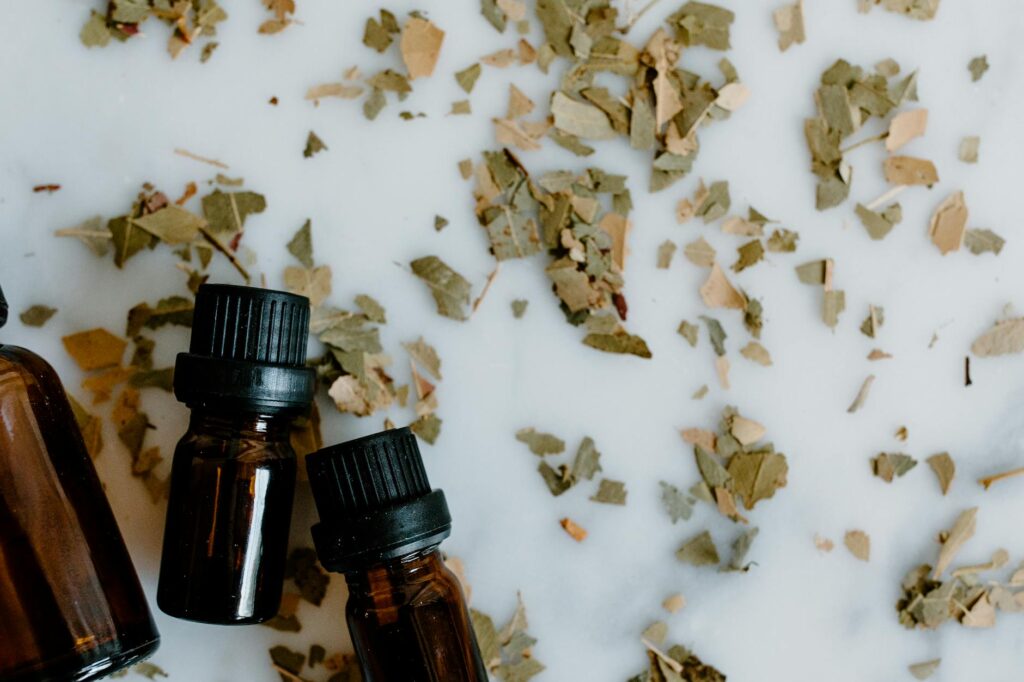
- Tight-Sealing Containers: Use dark glass containers (preferably amber or cobalt) with tight-sealing lids to prevent oxidation and degradation.
- Avoid Contamination: Always use clean utensils or droppers when handling essential oils. This practice helps prevent contamination and preserves the oil’s integrity.
These oils can be combined in various ratios to create personalized blends that cater to individual preferences and needs.
Key Benefits and Properties
Essential oil blends for SAD may offer a variety of benefits, including:
Common Uses
Essential oil blends for SAD can be used in various ways to incorporate their benefits into daily life:
Aromatherapy Applications
Aromatherapy is the practice of using essential oils to improve physical and emotional well-being. For individuals experiencing SAD, several aromatherapy applications may prove beneficial:
1. Morning Ritual: Starting the day with a citrus-based blend can help invigorate and uplift mood. Consider a blend of lemon, grapefruit, and bergamot in a diffuser to set a positive tone for the day.
2. Midday Recharge: A combination of peppermint and rosemary can provide an energy boost during the day. Diffusing or inhaling this blend may help combat afternoon fatigue.
3. Evening Relaxation: Blending lavender, chamomile, and frankincense can create a soothing environment for winding down. This blend can be diffused in the evening to promote relaxation and prepare for restful sleep.
4. Self-Care Rituals: Incorporating essential oils into self-care practices such as baths or massages can enhance relaxation and emotional well-being.
Safety Considerations
While essential oils can offer numerous benefits, it is essential to consider safety precautions:
Storage and Shelf Life
Proper storage of essential oils is crucial for maintaining their potency and efficacy. Here are some tips for storing essential oils:
The shelf life of essential oils can vary depending on the type. Citrus oils tend to have a shorter shelf life (about 1-2 years), while oils like sandalwood or patchouli can last for several years when stored correctly.
Frequently Asked Questions
1. Can essential oils cure Seasonal Affective Disorder?
Essential oils are not a cure for SAD but may serve as a complementary approach to improving mood and emotional well-being. They should not replace professional medical advice or treatment.
2. Are there essential oils that should be avoided for SAD?
While many essential oils can be beneficial, individuals should be cautious of oils that may cause irritation or allergic reactions. Oils like cinnamon and clove, for instance, can be irritating to the skin and should be used sparingly and with caution.
3. How often should I use essential oil blends for SAD?
The frequency of use can vary based on personal preference and individual responses. Many people benefit from daily use, while others may find occasional use sufficient. It’s essential to listen to your body and adjust accordingly.
4. Can I mix different essential oils together?
Yes, blending essential oils can create synergistic effects and tailored aromas. However, it’s advisable to research the properties of each oil to ensure compatibility and desired effects.
5. Where can I purchase essential oils?
Essential oils can be found in health food stores, specialty aromatherapy shops, and online retailers. It’s crucial to choose high-quality, pure essential oils from reputable sources to ensure safety and efficacy.
Conclusion
Essential oil blends for Seasonal Affective Disorder (SAD) offer an intriguing avenue for enhancing mood and emotional well-being during challenging seasons. While they may provide complementary support, it is essential to prioritize safety by diluting oils, conducting patch tests, and consulting with healthcare professionals when necessary. By integrating these natural remedies into a holistic approach to well-being, individuals may find new ways to navigate the emotional challenges of SAD, fostering a sense of balance and positivity even in the darkest months.