
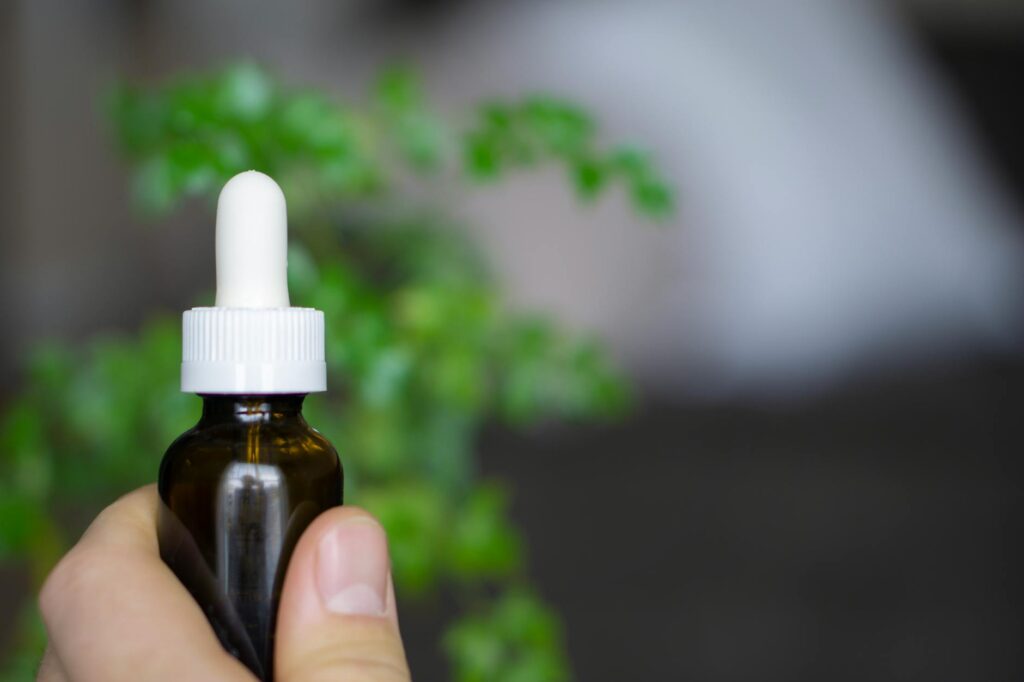
Is Essential Oil Blends for Seasonal Allergies and Respiratory Support Safe? Uses, Benefits and Precautions
Introduction
Seasonal allergies and respiratory issues are common complaints that affect millions of people worldwide. While there are various over-the-counter and prescription medications available, many individuals are seeking natural alternatives to alleviate their symptoms. Essential oils have gained popularity as potential remedies, particularly in the form of blends designed to support respiratory health and manage allergy symptoms. This article provides a comprehensive overview of essential oil blends for seasonal allergies and respiratory support, exploring their uses, benefits, precautions, and more.
What Is Essential Oil Blends for Seasonal Allergies and Respiratory Support?
Essential oil blends for seasonal allergies and respiratory support are formulations that combine various essential oils known for their therapeutic properties. These blends typically include oils that possess anti-inflammatory, antihistamine, and decongestant qualities. Common essential oils used in these blends include eucalyptus, peppermint, lavender, tea tree, and lemon. The synergy between different oils can enhance their effectiveness, making them a popular choice for those seeking relief from allergy symptoms and respiratory discomfort.
Key Benefits and Properties
The benefits of essential oil blends for seasonal allergies and respiratory support can be attributed to the unique properties of individual essential oils. Here are some key benefits and properties associated with commonly used oils:
1. Eucalyptus Oil: Known for its ability to clear nasal passages, eucalyptus oil contains eucalyptol, which may help reduce congestion and promote easier breathing.
2. Peppermint Oil: This oil has a cooling effect and is often used to relieve headaches and sinus pressure. Its menthol content can also provide a soothing sensation to inflamed tissues.
3. Lavender Oil: Renowned for its calming properties, lavender oil may help reduce stress and anxiety, which can exacerbate allergy symptoms. Its anti-inflammatory qualities can also support respiratory health.
4. Tea Tree Oil: With its antimicrobial properties, tea tree oil can assist in combating infections that may accompany respiratory issues, making it a valuable addition to allergy blends.
5. Lemon Oil: This oil is known for its uplifting aroma and potential immune-boosting properties. It may also help reduce mucus and promote clearer airways.
6. Frankincense Oil: Often used in traditional medicine, frankincense may help reduce inflammation and support overall respiratory function.
Common Uses
Essential oil blends for seasonal allergies and respiratory support can be utilized in various ways, depending on individual preferences and needs. Below are some common applications:
- Diffusion: Using a diffuser, essential oil blends can be dispersed into the air, providing an aromatic experience that promotes relaxation and respiratory ease.
- Inhalation: Adding a few drops of a blend to a bowl of hot water and inhaling the steam can help clear nasal passages and soothe respiratory discomfort.
- Topical Application: When diluted with a carrier oil, essential oil blends can be applied to areas such as the chest, neck, or wrists. This method allows for localized relief and can be particularly effective for congestion.
- Bath Soaks: Adding essential oil blends to bathwater can create a soothing environment that helps relax the body and mind while supporting respiratory health.
- Personal Inhalers: Portable inhalers filled with essential oil blends can be kept on hand for quick relief during allergy flare-ups.
- Massage: Incorporating essential oil blends into massage oils can provide both relaxation and respiratory support, particularly when applied to the chest and back.
- Steam Inhalation: As mentioned earlier, inhaling steam infused with essential oils can help alleviate nasal congestion and promote respiratory function.
- Room Sprays: Creating a room spray with essential oil blends can purify the air and create a soothing atmosphere, particularly in allergy-prone environments.
- Cool, Dark Place: Essential oils should be stored in a cool, dark place away from direct sunlight and heat, as light and warmth can degrade their quality over time.
- Sealed Containers: Always keep essential oils in tightly sealed glass or amber bottles to prevent oxidation and evaporation.
- Shelf Life: The shelf life of essential oils can vary; citrus oils may last around one to two years, while more stable oils like cedarwood or patchouli can last for several years if stored properly. Always check for changes in aroma or appearance, which may indicate spoilage.
Aromatherapy Applications
Aromatherapy is a holistic practice that utilizes essential oils to enhance physical and emotional well-being. When it comes to respiratory support and seasonal allergies, aromatherapy applications can include:
Safety Considerations
While essential oils are often considered natural, it is essential to approach their use with caution. Here are some safety considerations to keep in mind:
1. Dilution: Essential oils are highly concentrated and should always be diluted with a carrier oil before topical application to prevent skin irritation.
2. Allergies and Sensitivities: Individuals with known allergies or sensitivities to specific plants should exercise caution and conduct a patch test before using any essential oil blend.
3. Pregnancy and Nursing: Pregnant and nursing individuals should consult a qualified healthcare professional before using essential oils, as some oils may not be safe during these periods.
4. Children and Pets: Certain essential oils may not be suitable for children or pets. Researching safe options and consulting with a knowledgeable source is recommended.
5. Quality of Oils: The quality of essential oils can vary greatly. It is advisable to purchase oils from reputable sources that provide information on purity and testing.
6. Medical Conditions: Individuals with pre-existing medical conditions, particularly respiratory issues, should consult with a healthcare professional before using essential oils as part of their regimen.
Storage and Shelf Life
Proper storage of essential oils is crucial to maintain their potency and efficacy. Here are some guidelines:
Frequently Asked Questions
1. Can essential oils cure allergies?
Essential oils may help alleviate some symptoms associated with allergies, but they are not a cure. They can provide temporary relief and support respiratory health.
2. How do I choose the right blend for my symptoms?
Selecting an essential oil blend often depends on personal preferences and specific symptoms. Researching the properties of different oils and considering individual reactions can help in making an informed choice.
3. Can I use essential oils if I am taking medication for allergies?
While essential oils may complement traditional treatments, it is advisable to consult with a healthcare professional before combining them with medications to avoid potential interactions.
4. Are there any side effects of using essential oils for allergies?
Some individuals may experience skin irritation or allergic reactions to specific oils. Always conduct a patch test and consult a healthcare professional if you have concerns.
5. How often can I use essential oil blends for respiratory support?
Usage frequency can vary based on individual tolerance and method of application. Generally, it is best to follow guidelines provided by manufacturers or consult a qualified aromatherapist.
Conclusion
Essential oil blends for seasonal allergies and respiratory support offer a natural alternative for individuals seeking relief from symptoms. While they can provide various benefits and applications, it is essential to consider safety precautions and individual sensitivities. By understanding the properties and uses of these oils, individuals can make informed choices to support their respiratory health during allergy seasons. Always approach essential oil use with mindfulness and respect for the potent nature of these aromatic substances.