
Is Essential Oil Blends for Seasonal Transitions and Immune Support in Adults Safe? Uses, Benefits and Precautions
Introduction
Essential oils have gained popularity in recent years due to their aromatic properties and potential therapeutic benefits. As the seasons change, many individuals seek natural alternatives to support their well-being, particularly in the face of fluctuating climates and immune challenges. Essential oil blends designed for seasonal transitions and immune support are often sought after for their perceived benefits. However, understanding their properties, applications, and safety considerations is crucial for responsible use.
What Is Essential Oil Blends for Seasonal Transitions and Immune Support in Adults?
Essential oil blends for seasonal transitions typically consist of various concentrated plant extracts that aim to provide comfort and support during times of change in weather, temperature, and environmental conditions. These blends often include oils known for their uplifting, soothing, and immune-supporting properties. Commonly included oils are eucalyptus, tea tree, lavender, and citrus oils, among others.
The formulation of these blends varies, with each combination tailored to address specific needs, such as enhancing mood during gloomy seasons or bolstering the body’s defenses against seasonal ailments.
Key Benefits and Properties
Essential oil blends for seasonal transitions and immune support offer several potential benefits:
1. Immune Support
Certain essential oils are believed to possess antimicrobial and antiviral properties. For example, tea tree oil is often cited for its ability to combat bacteria and viruses, while eucalyptus is thought to help clear respiratory pathways.
2. Mood Enhancement
Aromatic compounds in essential oils can influence mood and emotional well-being. Citrus oils, such as lemon and orange, are renowned for their uplifting properties, which can be particularly beneficial during darker seasons.
3. Respiratory Relief
Many essential oils are used to support respiratory health. Eucalyptus and peppermint are common choices for their cooling and decongestant properties, which may aid in alleviating discomfort related to seasonal allergies or colds.
4. Stress Reduction
Seasonal changes can bring about stress and anxiety. Essential oils like lavender and chamomile are often used for their calming effects, promoting relaxation and emotional balance.
Common Uses
Essential oil blends can be utilized in various ways to enhance seasonal transitions and support immune health:
1. Diffusion
Using a diffuser to disperse essential oils into the air is one of the most popular methods. This allows for the inhalation of aromatic compounds, which can promote relaxation and uplift mood.
2. Topical Application
Diluting essential oils with a carrier oil (such as jojoba, coconut, or almond oil) allows for safe topical application. This method can be employed to target specific areas, such as the chest or neck, to support respiratory health.
3. Bath Soaks
Adding essential oils to a warm bath can create a soothing experience. The combination of heat and aroma can aid in relaxation and stress relief.
4. Inhalation
Inhaling essential oils directly from the bottle or via steam inhalation can help provide immediate respiratory or mood support.
Aromatherapy Applications
Aromatherapy is the practice of using essential oils for therapeutic benefits. Here are some ways to incorporate essential oil blends into your daily routine:
1. Creating a Seasonal Blend
Consider crafting your own blend tailored to your preferences and needs. Common combinations include:
- Uplifting Blend: Lemon, orange, and peppermint for mood enhancement.
- Respiratory Support: Eucalyptus, tea tree, and lavender for respiratory comfort.
- Calming Blend: Lavender, chamomile, and bergamot to promote relaxation.
2. Using in Personal Care Products
Incorporating essential oils into personal care products, such as lotions or shampoos, can enhance their benefits. Just ensure to dilute appropriately.
3. Seasonal Decor
Infusing essential oils into potpourri or using aroma beads can create a fragrant environment during seasonal transitions, enhancing mood and ambiance.
Safety Considerations
While essential oil blends can offer various benefits, safety should always be a priority. Here are some important considerations:
1. Skin Sensitivity
Essential oils are highly concentrated and may cause skin irritation if not diluted properly. Always perform a patch test before applying a new oil blend to the skin.
2. Allergies
Individuals with known allergies to specific plants should exercise caution. Always read labels and consult with knowledgeable sources about potential allergens.
3. Pregnant or Nursing Women
Certain essential oils are not recommended for use during pregnancy or nursing. It is advisable to consult a healthcare professional for guidance.
4. Children and Pets
Essential oils can be potent and may not be suitable for young children or pets. Always consult with a veterinarian or pediatrician before use.
5. Quality of Oils
The quality of essential oils can vary widely. Always choose high-quality, pure essential oils from reputable sources. Look for oils that are certified organic and free from additives or synthetic fragrances.
Storage and Shelf Life
Proper storage is essential to maintain the efficacy of essential oils. Here are some guidelines:
1. Keep Away from Light
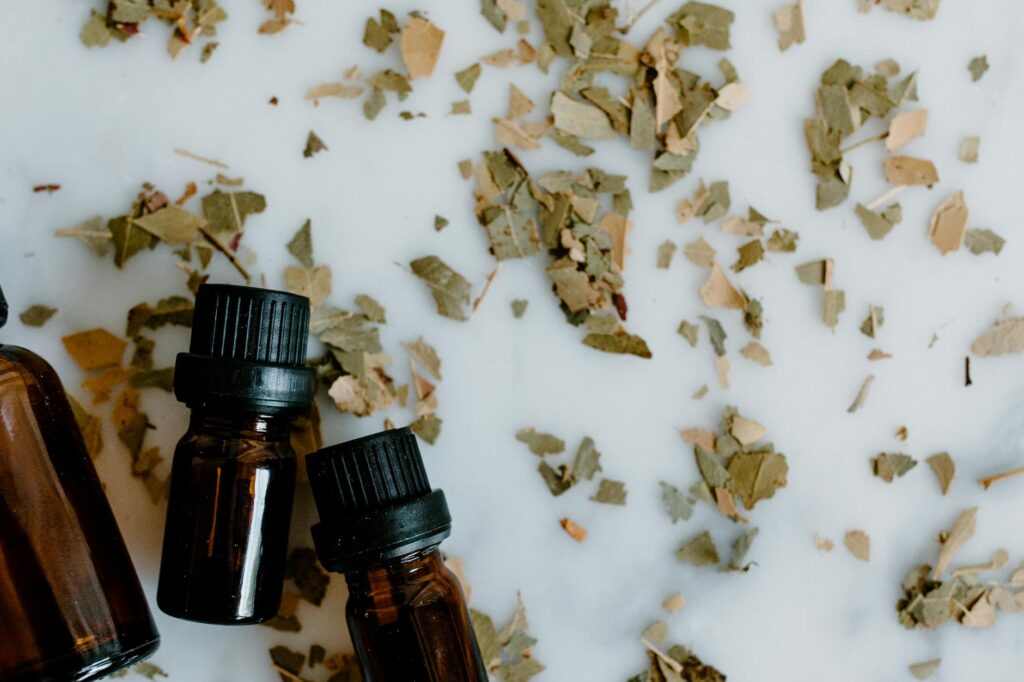
Essential oils should be stored in dark glass bottles to prevent degradation from light exposure.
2. Store in a Cool, Dry Place
Heat and humidity can affect the quality of essential oils. Store them in a cool, dry place, away from direct sunlight and heat sources.
3. Shelf Life
The shelf life of essential oils varies depending on the type. Generally, citrus oils may last about 1-2 years, while oils like sandalwood or patchouli can last longer. Always check for changes in scent or consistency.
Frequently Asked Questions
1. Can I mix different essential oils together?
Yes, blending essential oils can create unique combinations that enhance their therapeutic properties. However, it’s important to research the effects of the oils you wish to blend.
2. How often can I use essential oil blends?
Usage frequency can vary based on individual preferences and sensitivities. Start with small amounts and observe how your body responds.
3. Are essential oils safe to ingest?
Ingestion of essential oils is a controversial topic and should only be done under the guidance of a qualified healthcare professional. Many essential oils can be toxic if consumed improperly.
4. Can I use essential oils if I have a respiratory condition?
Individuals with respiratory conditions should consult a healthcare professional before using essential oils, as some oils may exacerbate symptoms.
5. Is it safe to use essential oils in a diffuser around pets?
Certain essential oils can be harmful to pets. Always research specific oils to determine their safety for use around animals, and consult with a veterinarian if unsure.
Conclusion
Essential oil blends for seasonal transitions and immune support in adults can offer a variety of potential benefits, from enhancing mood to supporting respiratory health. However, it is essential to approach their use with caution and awareness of individual sensitivities. Understanding proper application methods, safety considerations, and storage guidelines can help ensure a positive experience with these aromatic plant extracts. As always, if you have specific health concerns or conditions, it is advisable to consult with a qualified health professional before incorporating essential oils into your routine.