
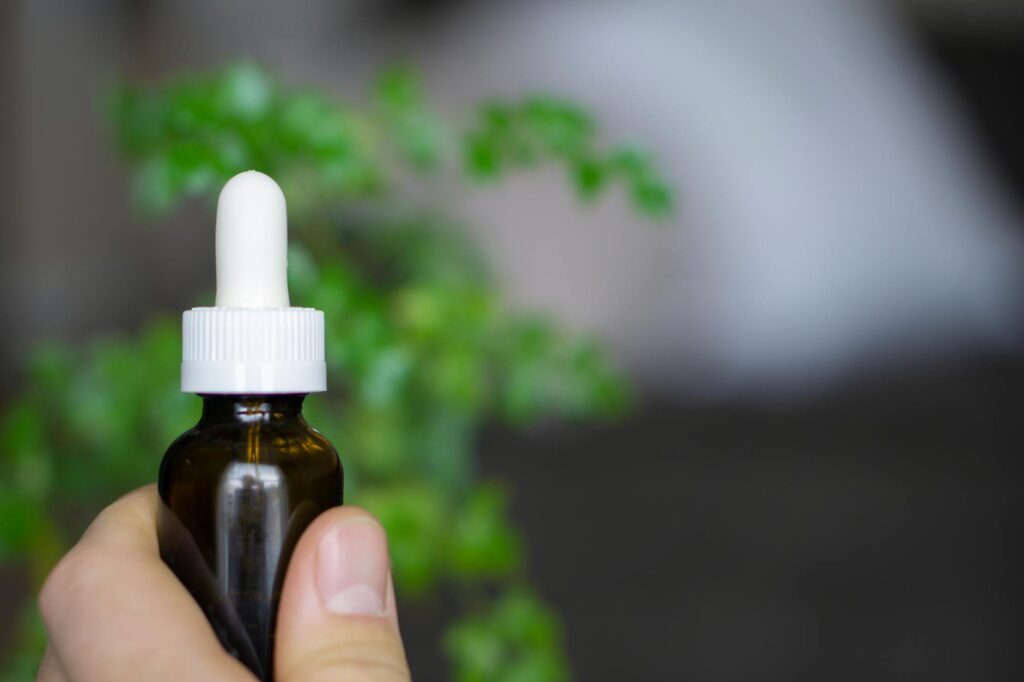
Is Essential Oil Blends for Seasonal Wellness and Emotional Resilience Safe? Uses, Benefits, and Precautions
Introduction
Essential oils have garnered significant attention in recent years for their potential benefits in promoting wellness, particularly during seasonal transitions. As the environment changes, many individuals seek ways to support their emotional and physical well-being. Essential oil blends specifically formulated for seasonal wellness and emotional resilience offer aromatic solutions that may help alleviate discomfort associated with seasonal changes. This article provides an in-depth look at these blends, exploring their uses, benefits, and necessary precautions.
What Is Essential Oil Blends for Seasonal Wellness and Emotional Resilience?
Essential oil blends for seasonal wellness and emotional resilience are combinations of various essential oils designed to support well-being during specific times of the year. These blends often incorporate oils known for their uplifting, calming, and balancing properties. The concept revolves around the idea that certain scents can influence mood, promote relaxation, or invigorate the spirit, making them particularly beneficial during transitions such as winter to spring or summer to fall.
Composition of Blends
Typically, these blends include a mix of essential oils with various therapeutic properties. For example, citrus oils like lemon and orange are often included for their uplifting qualities, while grounding oils such as sandalwood and vetiver may provide emotional support.
Key Benefits and Properties
The potential benefits of essential oil blends for seasonal wellness and emotional resilience stem from the properties of the individual oils used. Here are some commonly noted benefits:
1. Mood Enhancement
Many essential oils possess uplifting properties that can enhance mood and combat feelings of lethargy or sadness. Oils such as bergamot, sweet orange, and lavender are frequently cited for their ability to elevate mood and promote a sense of well-being.
2. Stress Reduction
Certain essential oils have calming effects that can help alleviate stress and anxiety. Oils like chamomile and frankincense are known for their soothing properties, making them popular choices in blends aimed at emotional resilience.
3. Immune Support
While essential oils are not a substitute for medical treatment, some oils like tea tree and eucalyptus are believed to have properties that may support immune function. Incorporating these oils into seasonal blends can help create an environment conducive to wellness.
4. Respiratory Relief
During seasonal changes, individuals often experience respiratory discomfort due to allergens or changes in weather. Eucalyptus and peppermint oils are commonly used for their potential to open airways and promote easier breathing.
Common Uses
Essential oil blends for seasonal wellness and emotional resilience can be used in various ways, depending on personal preference and intended outcomes. Here are some common applications:
1. Diffusion
Using a diffuser is one of the most popular methods for dispersing essential oils into the air. Blends can be added to a diffuser to create an aromatic environment that promotes relaxation or invigoration.
2. Topical Application
Essential oils can be diluted with carrier oils and applied to the skin, allowing for localized benefits. Common application areas include pulse points, the chest, or even the soles of the feet.
3. Bathing
Adding essential oil blends to bathwater can enhance the bathing experience, promoting relaxation while providing aromatherapy benefits. It is advisable to dilute the oils in a carrier oil or bath salt to avoid skin irritation.
4. Inhalation
Direct inhalation of essential oils from the bottle or using a personal inhaler can provide immediate aromatic benefits, making it a quick option for mood enhancement or stress relief.
Aromatherapy Applications
Aromatherapy employs the use of essential oils for therapeutic benefits, making it a natural fit for seasonal wellness and emotional resilience. Several techniques can enhance the experience:
1. Personal Inhalers
Personal inhalers are small, portable devices that allow individuals to carry their favorite essential oil blends. They provide a convenient way to access aromatherapy throughout the day.
2. Room Sprays
Creating a room spray with essential oil blends can help to freshen the air and create a pleasant atmosphere. This method is particularly useful during seasons when the indoor environment becomes stale or stuffy.
3. Massage
Combining essential oils with massage techniques can enhance relaxation and emotional well-being. By incorporating blends into massage therapy, individuals may experience both physical and emotional relief.
Safety Considerations
While essential oils can offer numerous benefits, safety is paramount. Here are essential considerations to keep in mind:
1. Skin Sensitivity
Certain essential oils can cause skin irritation or allergic reactions, particularly when applied undiluted. Performing a patch test prior to full application is recommended, especially for sensitive skin.
2. Pregnancy and Nursing
Pregnant or nursing individuals should exercise caution and consult with a qualified practitioner before using essential oils, as some oils may not be safe during these periods.
3. Children and Pets
Many essential oils are not recommended for use around young children or pets. It is essential to research which oils are safe and to use appropriate dilution ratios.
4. Quality of Oils
The quality of essential oils varies significantly among brands. Choosing high-quality, pure essential oils from reputable sources is vital to ensure safety and efficacy.
Storage and Shelf Life
Proper storage is essential for maintaining the quality and efficacy of essential oil blends. Here are some guidelines:
1. Storage Conditions
Essential oils should be stored in a cool, dark place, away from direct sunlight and heat sources. Dark glass bottles are preferable for storage, as they protect oils from light exposure.
2. Shelf Life
The shelf life of essential oils varies depending on the type. Citrus oils generally have a shorter shelf life (1-2 years), while oils like patchouli and cedarwood can last for several years if stored properly. Regularly checking oils for changes in scent or consistency is advisable.
Frequently Asked Questions
1. Can I create my own essential oil blend for seasonal wellness?
Yes, creating your own blends is a popular practice. Start by researching the properties of various essential oils, and experiment with different combinations to find what resonates with you.
2. How do I know which essential oils to use for emotional resilience?
Identifying essential oils that resonate with you personally can help guide your choices. Consider oils known for their calming or uplifting properties, and choose those that appeal to your sense of smell.
3. Can essential oils replace traditional medicine?
While essential oils can complement wellness practices, they should not replace conventional medical treatment. Always consult with a healthcare professional regarding health concerns.
4. How often can I use essential oil blends?
The frequency of use depends on individual preference and sensitivity. Many people use them daily, while others may prefer occasional use. Listen to your body and adjust accordingly.
5. Are essential oils safe for everyone?
Not all essential oils are suitable for everyone, particularly children, pregnant individuals, or those with specific health conditions. Always research and consult with a practitioner if unsure.
Conclusion
Essential oil blends for seasonal wellness and emotional resilience offer a fragrant approach to enhancing well-being during times of transition. With their potential benefits ranging from mood enhancement to respiratory support, these blends can serve as valuable tools in holistic wellness practices. However, safety considerations and informed use are paramount. By understanding the properties, applications, and precautions associated with essential oils, individuals can confidently explore the aromatic world of essential oil blends for seasonal wellness and emotional resilience.