
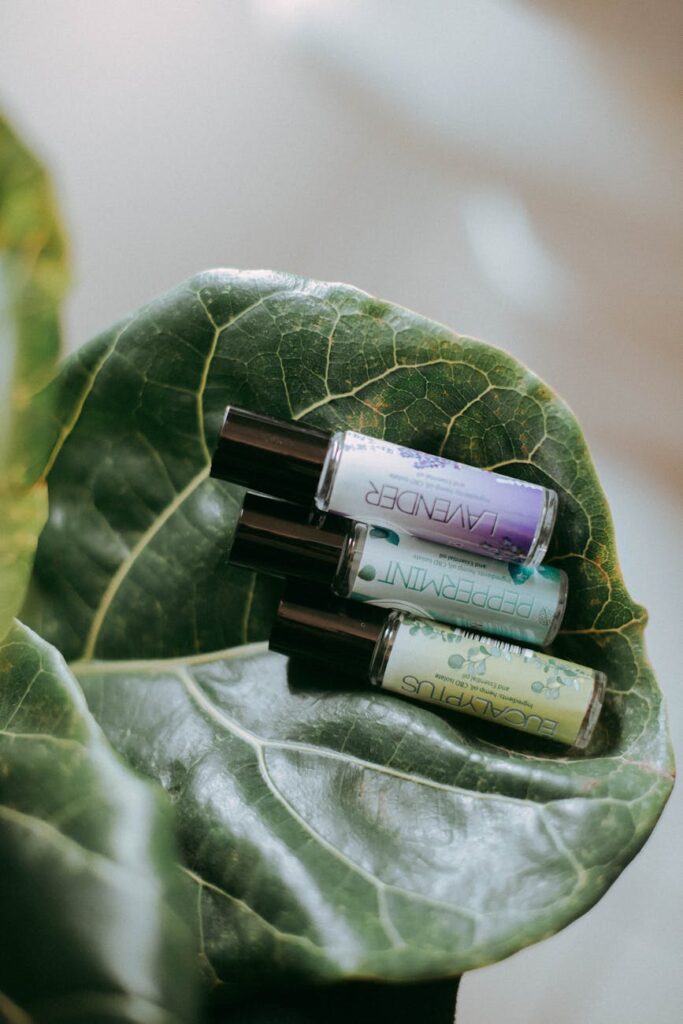
Is Essential Oil Blends for Seasonal Wellness and Mood Enhancement Safe? Uses, Benefits, and Precautions
Introduction
Essential oils have captivated human interest for centuries, valued for their aromatic properties and potential therapeutic benefits. With the changing seasons, many individuals seek natural methods to enhance their well-being and mood. Essential oil blends tailored for seasonal wellness can provide a sensory experience that may help ease seasonal transitions. This article examines the nature of these blends, their benefits, common applications, and important safety considerations.
What Is Essential Oil Blends for Seasonal Wellness and Mood Enhancement?
Essential oil blends for seasonal wellness and mood enhancement consist of carefully combined essential oils aimed at promoting emotional balance and physical comfort during specific times of the year. These blends often draw upon the unique characteristics of various essential oils, which can evoke particular moods or provide seasonal relief.
The formulation of these blends typically considers the emotional states associated with seasonal changes. For instance, blends may be designed to uplift the spirits during winter months or provide calming properties during the more frenetic springtime.
Key Benefits and Properties
The benefits of essential oil blends are often attributed to the unique properties of the individual oils within them. Some common benefits include:
1. Mood Regulation: Many essential oils, such as lavender and bergamot, have been linked to mood enhancement. They may help alleviate feelings of anxiety and depression, which can be pronounced during certain seasons.
2. Stress Reduction: Citrus oils like lemon and orange are known for their uplifting qualities, while others like chamomile and ylang-ylang may promote relaxation.
3. Respiratory Support: Essential oils such as eucalyptus and peppermint can support respiratory health, which can be especially beneficial during allergy season or winter months.
4. Immune Support: Some oils, like tea tree and oregano, possess antimicrobial properties that may support overall wellness.
5. Enhanced Focus and Clarity: Oils such as rosemary and peppermint can promote alertness and concentration, which can be advantageous during the busy back-to-school season.
Common Uses
Essential oil blends can be utilized in various ways, including:
- Diffusion: One of the most popular methods, diffusion involves dispersing essential oils into the air, allowing for inhalation and the creation of a pleasant atmosphere.
- Topical Application: Many individuals apply essential oil blends to their skin after dilution with a carrier oil. This method can enhance the aromatherapeutic benefits while providing localized effects.
- Bathing: Adding essential oils to bath water can create a relaxing environment. The warm water may help disperse the oils, allowing for inhalation and absorption through the skin.
- Inhalation: Directly inhaling essential oils from a bottle or a cotton ball can provide immediate effects, making it a quick way to enjoy their benefits.
- Ingredients: Orange, cinnamon, and clove essential oils.
- Use: Diffuse in the home to create a warm, cozy atmosphere that may uplift spirits during the colder months.
- Ingredients: Lemon, eucalyptus, and jasmine essential oils.
- Use: Use in a diffuser or inhale directly to invigorate the senses and promote feelings of renewal and energy.
- Ingredients: Lavender, peppermint, and chamomile essential oils.
- Use: Create a calming environment during the hot summer months, aiding in relaxation and sleep.
- Ingredients: Frankincense, cedarwood, and nutmeg essential oils.
- Use: Diffuse or apply topically to foster a sense of grounding and comfort as the seasons change.
- Dark Glass Containers: Essential oils should be stored in dark glass bottles to protect them from light, which can degrade their quality.
- Cool, Dry Place: Keeping oils in a cool, dry environment away from direct sunlight and heat sources will prolong their shelf life.
- Shelf Life: While many essential oils can last for several years, some oils may have shorter shelf lives. Citrus oils, for example, generally have a shelf life of 1-2 years, while oils like sandalwood and patchouli can last for many years when stored correctly.
Aromatherapy Applications
Aromatherapy, the practice of using essential oils for therapeutic benefits, often incorporates seasonal blends. Here are some applications:
Winter Blues Blend
Spring Renewal Blend
Summer Serenity Blend
Autumn Comfort Blend
Safety Considerations
While essential oil blends can provide numerous benefits, safety is paramount. Here are some key precautions to keep in mind:
1. Dilution: Essential oils are highly concentrated and should be diluted with a carrier oil before topical application to avoid skin irritation.
2. Patch Testing: Always conduct a patch test before applying a new blend to a larger area of skin. Apply a small amount diluted oil to a discreet area and wait 24 hours to check for any adverse reactions.
3. Pregnancy and Nursing: Pregnant or nursing individuals should consult with a healthcare professional before using essential oils, as some oils may not be safe during these times.
4. Children and Pets: Certain essential oils can be harmful to children and pets. Always research the safety of specific oils and consider using child-safe or pet-safe blends.
5. Medical Conditions: Individuals with medical conditions, particularly respiratory issues or allergies, should consult a healthcare professional before using essential oils.
6. Avoid Ingestion: Essential oils should not be ingested unless under the guidance of a qualified professional, as many oils can be toxic if consumed.
Storage and Shelf Life
Proper storage of essential oils is crucial to maintaining their potency and effectiveness. Here are some guidelines:
Frequently Asked Questions
Are essential oil blends safe for everyone?
While many people can safely use essential oils, individuals with specific health conditions, pregnant or nursing women, and young children should exercise caution and consult a qualified professional before use.
How can I tell if an essential oil blend is of good quality?
High-quality essential oils should be pure, undiluted, and preferably sourced from reputable suppliers. Look for oils that provide information about their botanical name, extraction method, and country of origin.
Can I make my own essential oil blends?
Yes, creating your own blends can be a rewarding experience. Research the properties and safety of each oil, and start with small quantities to test the aroma and effects.
How often should I use essential oil blends?
The frequency of use will depend on individual preferences and responses. It is generally advisable to start slowly and monitor how your body reacts to the oils.
Can essential oils replace traditional medicine?
Essential oils can complement wellness routines but should not replace conventional medical treatments. Always consult with healthcare providers for any health concerns.
Conclusion
Essential oil blends for seasonal wellness and mood enhancement offer a natural means of promoting emotional and physical well-being. With their diverse applications and potential benefits, these blends can enrich one’s sensory experience throughout the changing seasons. However, safety considerations and proper usage are essential to ensure effective and enjoyable experiences with essential oils. Always approach their use with mindfulness and respect for individual health needs.