
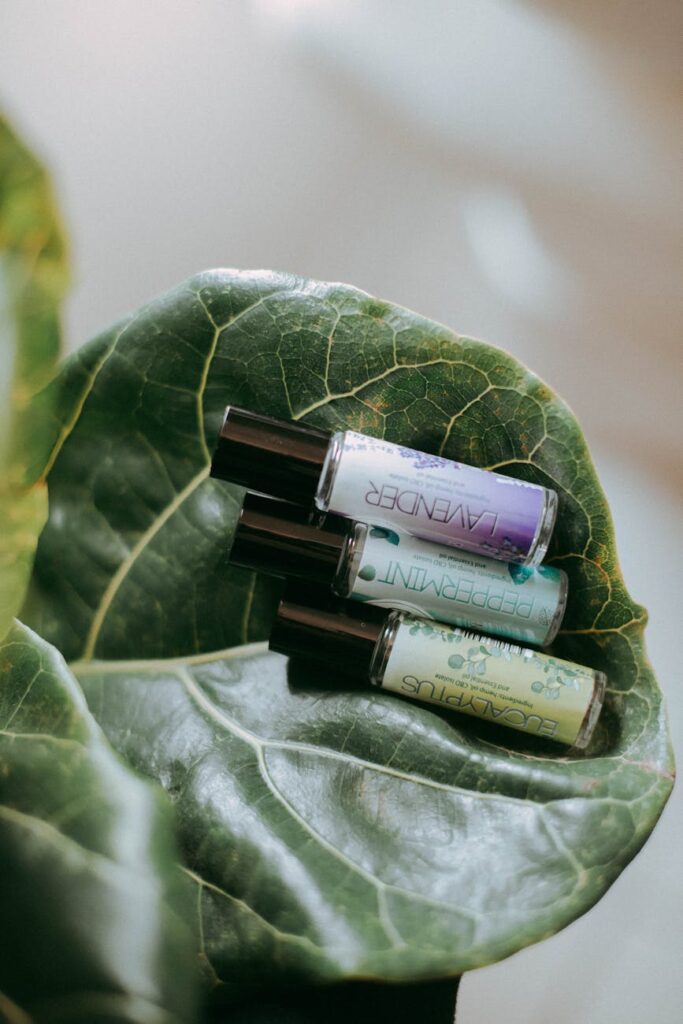
Is Essential Oil Blends for Sleep Quality Improvement and Relaxation Safe? Uses, Benefits and Precautions
Introduction
In our fast-paced world, finding effective methods to enhance sleep quality and promote relaxation has become increasingly important. One natural remedy gaining popularity is the use of essential oil blends. These concentrated plant extracts are celebrated for their aromatic properties and therapeutic benefits. This article explores the essence of essential oil blends aimed at improving sleep quality and relaxation, outlining their uses, benefits, safety considerations, and much more.
What Is Essential Oil Blends for Sleep Quality Improvement and Relaxation?
Essential oil blends are combinations of various essential oils formulated to target specific needs. For sleep quality improvement and relaxation, these blends often include oils known for their calming properties, such as lavender, chamomile, and bergamot. The synergy created by blending different oils can enhance their overall effectiveness, making them a popular choice for those seeking natural solutions for sleep disturbances and stress relief.
Key Benefits and Properties
The benefits of essential oil blends for sleep and relaxation are numerous, stemming from the unique properties of the individual oils used. Here are some key benefits:
1. Promotes Relaxation
Many essential oils are known for their calming effects. For instance, lavender (Lavandula angustifolia) is widely recognized for its ability to reduce anxiety and promote a sense of peace. Its soothing aroma can help create a tranquil environment conducive to sleep.
2. Reduces Stress and Anxiety
Essential oils such as chamomile (Matricaria chamomilla) and bergamot (Citrus bergamia) have been found to alleviate feelings of stress and anxiety. The inhalation of these oils can stimulate the limbic system, which plays a role in regulating emotions.
3. Enhances Sleep Quality
Certain oils, including cedarwood (Cedrus atlantica) and vetiver (Vetiveria zizanoides), are believed to improve sleep quality. Their earthy scents can create a grounding atmosphere that encourages deeper, more restful sleep.
4. Aids in Relaxation Rituals
Incorporating essential oil blends into relaxation rituals—such as bathing, meditation, or yoga—can amplify the calming effects of these practices. The pleasant aromas can enhance the overall experience, making it more enjoyable and effective.
Common Uses
Essential oil blends can be used in various ways to promote sleep and relaxation:
1. Diffusion
One of the most popular methods is using an essential oil diffuser. This device disperses the aromatic molecules into the air, allowing for inhalation that can create a calming atmosphere in any room.
2. Topical Application
When diluted properly with a carrier oil (such as jojoba or coconut oil), essential oil blends can be applied to pulse points, such as wrists or temples. This method allows for direct absorption through the skin, enhancing relaxation.
3. Bathing
Adding essential oil blends to a warm bath can create a spa-like experience. The warm water combined with the soothing aromas can help unwind both the body and mind.
4. Pillow Sprays
Creating a pillow spray by mixing essential oils with water can provide a calming scent throughout the night. Spraying this blend on pillows and bedding can encourage relaxation and improve sleep quality.
Aromatherapy Applications
Aromatherapy is the practice of using essential oils for therapeutic benefits. When it comes to sleep quality improvement and relaxation, various methods can be employed:
1. Inhalation
Simply inhaling essential oils directly from the bottle or from a cotton ball can provide immediate relief from stress and anxiety. This method is ideal for quick, on-the-go relaxation.
2. Massage
Incorporating essential oil blends into massage therapy can enhance relaxation. The combination of gentle pressure and soothing aromas can help relieve tension in the muscles and calm the mind.
3. Meditation
During meditation, using essential oil blends can deepen the practice. The calming scents can help to center the mind, making it easier to focus and achieve a state of relaxation.
Safety Considerations
While essential oil blends can be beneficial, it is essential to use them safely. Here are some precautions to keep in mind:
1. Dilution
Essential oils are highly concentrated and should always be diluted with a carrier oil before topical application. A general guideline is to use a 2-3% dilution, which equates to about 12-18 drops of essential oil per ounce of carrier oil.
2. Patch Testing
Before using a new essential oil blend, it is advisable to conduct a patch test. Apply a small amount of the diluted oil to an inconspicuous area of skin to check for any adverse reactions.
3. Pregnancy and Nursing
Pregnant or nursing individuals should consult with a qualified healthcare professional before using essential oils, as some oils may not be safe during this time.
4. Medical Conditions and Medications
Individuals with certain medical conditions or those taking specific medications should seek advice from a qualified healthcare provider. Some essential oils can interact with medications or exacerbate certain health issues.
5. Children and Pets
When using essential oils around children and pets, it is crucial to ensure that the oils are safe for their age and species. Some essential oils can be toxic to pets, and extra caution should be taken.
Storage and Shelf Life
Proper storage of essential oil blends is essential for maintaining their effectiveness. Here are some guidelines:
1. Store in Dark Glass Containers
Essential oils should be stored in dark glass bottles to protect them from light, which can degrade their quality over time.
2. Keep in a Cool, Dry Place
Storing essential oils in a cool, dry place away from direct sunlight and heat sources can extend their shelf life.
3. Check Expiry Dates
While essential oils do not have a definitive expiration date, they may lose potency over time. It is advisable to check for any changes in scent or consistency and replace them as needed.
Frequently Asked Questions
1. Can essential oil blends replace sleep medications?
While essential oil blends can promote relaxation and improve sleep quality, they should not be viewed as a replacement for prescribed sleep medications. Consult a healthcare professional for personalized advice.
2. How do I choose the right essential oil blend for sleep?
Selecting an essential oil blend for sleep depends on personal preferences. Experimenting with different oils can help identify which scents resonate best and provide the desired calming effects.
3. How long does it take for essential oils to work?
The effects of essential oils can vary by individual and method of use. Inhalation typically provides immediate effects, while topical application may take longer to feel the benefits.
4. Are there any side effects of essential oils?
Some individuals may experience allergic reactions or skin sensitivities to specific oils. It is essential to perform a patch test and consult a healthcare professional if any adverse effects occur.
5. Can I use essential oils in a humidifier?
Using essential oils in a humidifier is not always recommended, as the heat may alter the oils’ properties. It is better to use a diffuser specifically designed for essential oils.
Conclusion
Essential oil blends for sleep quality improvement and relaxation offer a natural and holistic approach to enhancing well-being. With their myriad benefits and applications, these blends can be easily incorporated into daily routines. However, it is crucial to approach their use with caution, considering safety precautions and personal circumstances. By understanding the properties and potential uses of essential oil blends, individuals can make informed decisions in their pursuit of better sleep and relaxation.