
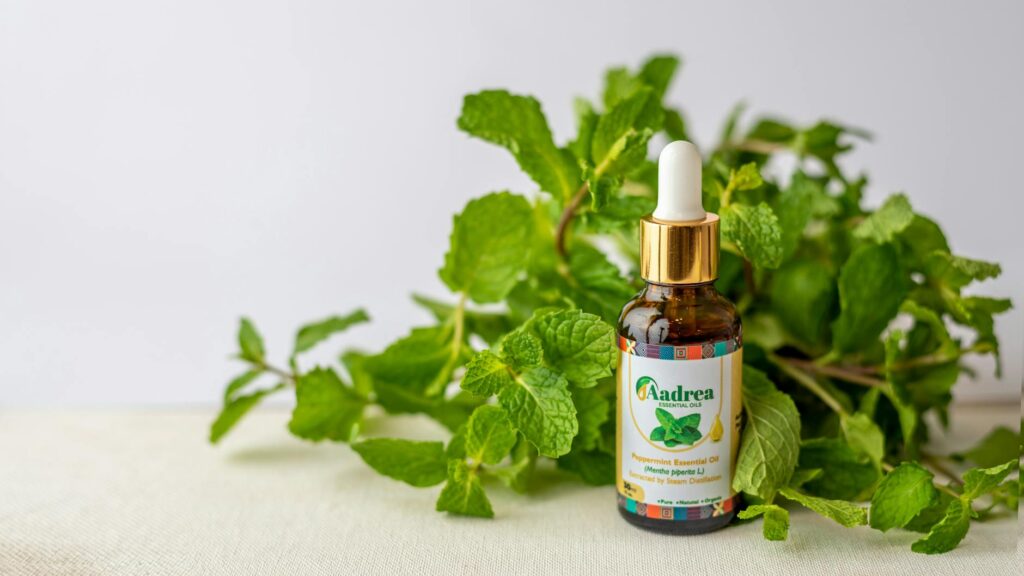
Is Essential Oils Safe? Uses, Benefits and Precautions
Introduction
Essential oils have gained significant popularity in recent years, often touted for their therapeutic properties and aromatic qualities. Derived from various plants, these concentrated extracts are used in a myriad of applications, from aromatherapy to personal care products. However, the safety and efficacy of essential oils can vary widely, leading to questions regarding their proper use. This article explores what essential oils are, their benefits, common uses, applications in aromatherapy, safety considerations, and storage practices, providing a comprehensive overview for those interested in incorporating essential oils into their lives.
What Are Essential Oils?
Essential oils are highly concentrated plant extracts obtained through various methods, including steam distillation, cold pressing, or solvent extraction. These oils capture the distinctive fragrance and chemical properties of the source plant, which may include flowers, leaves, bark, roots, or seeds. Each essential oil has its unique composition and can contain hundreds of different chemical compounds, contributing to its aromatic profile and potential benefits.
The chemical constituents of essential oils can be classified into several categories, including terpenes, phenols, alcohols, esters, and aldehydes. Each category has different properties, influencing how the oil interacts with the body and its environment.
Key Benefits and Properties
While scientific research on essential oils is still evolving, many users report a variety of benefits associated with their use. Some of the commonly recognized properties of essential oils include:
1. Antimicrobial: Certain essential oils, such as tea tree and lavender, have shown antimicrobial properties, making them popular choices for natural cleaning products and skin care.
2. Anti-inflammatory: Oils like chamomile and eucalyptus are often cited for their anti-inflammatory properties, which may help in soothing sore muscles or irritated skin.
3. Relaxation and Stress Relief: Many essential oils, including bergamot and lavender, are believed to promote relaxation and reduce stress, making them popular in aromatherapy practices.
4. Mood Enhancement: Essential oils can have uplifting effects on mood. Citrus oils like lemon and orange are often used to create a cheerful atmosphere.
5. Support for Healthy Skin: Oils such as rosehip and frankincense are frequently used in skincare products for their potential benefits to skin health.
Common Uses
Essential oils are versatile and can be used in various forms and applications, including:
- Diffusion: Adding a few drops of essential oil to a diffuser allows the oil to disperse into the air, creating an aromatic atmosphere. This is a popular method for enhancing mood or creating a calming environment.
- Topical Application: Essential oils can be diluted with carrier oils (such as coconut or jojoba oil) and applied directly to the skin for localized benefits. This method is common in skincare and massage practices.
- Bathing: Adding essential oils to bath water can create a luxurious and relaxing experience. However, it is essential to mix the oil with a carrier or dispersant to prevent skin irritation.
- Household Cleaning: Many essential oils possess antimicrobial properties, making them suitable for natural cleaning solutions. Oils like tea tree, lemon, and lavender are often included in DIY cleaning recipes.
- Stress Relief: Essential oils like lavender, chamomile, and frankincense are frequently used in aromatherapy to promote relaxation and reduce anxiety.
- Sleep Enhancement: Oils such as cedarwood and bergamot are often incorporated into nighttime rituals to improve sleep quality.
- Focus and Concentration: Oils like peppermint and rosemary can be helpful in stimulating mental clarity and focus, making them suitable for study or work environments.
- Mood Regulation: Citrus oils are commonly used to uplift mood and combat feelings of sadness or fatigue.
- Containers: Store essential oils in dark glass bottles to protect them from light exposure. Amber or cobalt blue bottles are ideal choices.
- Temperature: Keep essential oils in a cool, dry place, ideally between 60°F and 70°F (15°C and 21°C). Avoid storing them in areas with fluctuating temperatures, such as bathrooms or near ovens.
- Shelf Life: The shelf life of essential oils varies by type. Generally, citrus oils have a shorter shelf life (1-2 years), while oils like patchouli and sandalwood can last up to 10 years or more when stored properly. Always check for changes in color, viscosity, or scent before use.
Aromatherapy Applications
Aromatherapy is a holistic practice that utilizes essential oils to promote physical and emotional well-being. Here are some common applications in this field:
Safety Considerations
Although essential oils have many potential benefits, safety is a critical concern. Here are some essential safety tips to keep in mind:
1. Dilution: Essential oils are highly concentrated and should always be diluted with a carrier oil before topical application to minimize the risk of skin irritation.
2. Patch Testing: Before using a new essential oil, conduct a patch test by applying a diluted drop to a small area of skin to check for allergic reactions.
3. Avoiding Certain Oils: Some essential oils are not recommended for use during pregnancy, for young children, or for individuals with specific health conditions. Always research individual oils for safety guidelines.
4. Ingestion: Ingesting essential oils is not advisable unless under the guidance of a qualified professional. Many oils can be toxic when consumed in large quantities.
5. Sun Sensitivity: Certain oils, particularly citrus oils, can increase sensitivity to sunlight. Avoid sun exposure after applying these oils to the skin.
6. Storage: Essential oils should be stored in dark glass bottles away from heat and light to preserve their quality.
Storage and Shelf Life
Proper storage of essential oils is essential for maintaining their potency and effectiveness. Here are some guidelines:
Frequently Asked Questions
1. Are essential oils safe for children?
While many essential oils can be used safely around children, it is crucial to dilute them properly and choose oils that are known to be safe for pediatric use. Always consult reliable sources or professionals for guidance.
2. Can essential oils be used during pregnancy?
Some essential oils are considered safe during pregnancy, while others should be avoided. Pregnant individuals should consult a healthcare provider for recommendations tailored to their specific situation.
3. How do I choose a quality essential oil?
Opt for oils labeled as 100% pure essential oil, free from additives or synthetic fragrances. Look for reputable brands that provide information on sourcing and testing.
4. What is the difference between essential oils and fragrance oils?
Essential oils are derived from natural plant sources and contain the plant’s aromatic compounds, while fragrance oils are synthetic and may contain artificial ingredients. For therapeutic purposes, essential oils are generally preferred.
5. Can essential oils interact with medications?
Certain essential oils may interact with medications, affecting their efficacy or leading to adverse reactions. It is advisable to consult a healthcare professional if you are taking medications and considering essential oil use.
Conclusion
Essential oils offer a range of potential benefits and applications, from enhancing mood to promoting relaxation. However, it is essential to understand their properties, uses, and safety considerations before incorporating them into your routine. By following recommended guidelines for usage and storage, individuals can enjoy the aromatic and therapeutic qualities of essential oils while minimizing risks. As research continues to evolve, essential oils remain a fascinating and valuable aspect of natural wellness.