
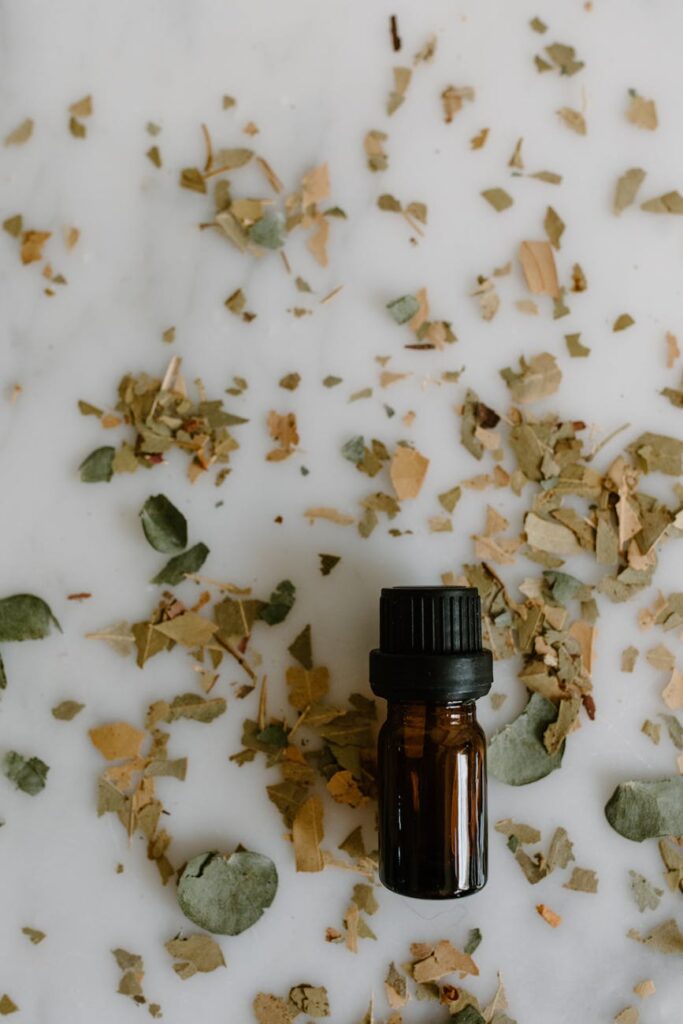
Is Eucalyptus Oil Safe? Uses, Benefits and Precautions
Introduction
Eucalyptus oil, derived from the leaves of the eucalyptus tree (Eucalyptus globulus), has been employed for centuries in various cultures for its aromatic and therapeutic properties. Known for its refreshing scent and potential health benefits, eucalyptus oil has gained popularity in the realms of aromatherapy and natural wellness. This article explores the characteristics of eucalyptus oil, its uses and benefits, and essential safety precautions to consider.
What Is Eucalyptus Oil?
Eucalyptus oil is a colorless or pale yellow essential oil obtained through steam distillation of the leaves and twigs of the eucalyptus tree. With over 700 species, the most commonly used for oil extraction are Eucalyptus globulus and Eucalyptus radiata. The oil is characterized by its strong, fresh, and somewhat medicinal aroma, attributed to its high concentration of compounds such as eucalyptol (1,8-cineole), which accounts for a significant portion of its chemical composition.
Key Benefits and Properties
Eucalyptus oil is renowned for its various beneficial properties, including:
1. Anti-Inflammatory
Eucalyptus oil has been recognized for its anti-inflammatory properties, which may help reduce swelling and discomfort in certain conditions.
2. Antimicrobial
Research indicates that eucalyptus oil possesses antimicrobial properties, making it effective against a variety of bacteria and fungi. This quality makes it a popular choice for natural cleaning agents.
3. Respiratory Support
The oil is often used to alleviate respiratory issues due to its ability to promote clearer airways. Its inhalation can provide relief from symptoms associated with colds, allergies, and sinusitis.
4. Pain Relief
Eucalyptus oil is sometimes utilized in topical applications for its analgesic properties, potentially aiding in the relief of muscle and joint pain.
5. Insect Repellent
The oil has been employed as a natural insect repellent, effectively deterring mosquitoes and other pests.
Common Uses
Eucalyptus oil can be incorporated into daily routines in various ways:
1. Aromatherapy
Inhaling eucalyptus oil through diffusers or steam inhalation can help create a calming atmosphere and may offer relief from respiratory discomfort.
2. Topical Applications
When diluted with a carrier oil, eucalyptus oil can be used in massages or applied to sore muscles and joints.
3. Household Cleaning
Its antimicrobial properties make eucalyptus oil a valuable ingredient in homemade cleaning solutions.
4. Hair Care
Eucalyptus oil is sometimes added to shampoos and conditioners for its potential to promote scalp health.
5. Insect Repellent
Homemade sprays containing eucalyptus oil can be effective in keeping insects at bay.
Aromatherapy Applications
In aromatherapy, eucalyptus oil is often used to promote well-being and relaxation. Here are some common ways it is applied:
1. Diffusion
Eucalyptus oil can be added to an essential oil diffuser to disperse its invigorating scent throughout a room. This practice may enhance mood and improve air quality.
2. Inhalation
Adding a few drops of eucalyptus oil to a bowl of hot water and inhaling the steam can provide respiratory benefits, helping to clear nasal passages.
3. Bathing
Adding eucalyptus oil to bathwater can create a soothing and rejuvenating experience. The steam and aroma can help relax the mind and body.
Safety Considerations
While eucalyptus oil is generally regarded as safe when used correctly, certain precautions should be taken:
1. Skin Sensitivity
Eucalyptus oil can cause skin irritation or allergic reactions in some individuals. It is advisable to perform a patch test before applying it topically. Diluting the oil with a carrier oil (such as coconut or jojoba oil) is recommended to minimize the risk of irritation.
2. Ingestion
Eucalyptus oil is not safe for ingestion and should not be consumed. Ingesting even small amounts can lead to toxicity and serious health issues.
3. Pregnant or Nursing Women
Pregnant or nursing women should consult their healthcare provider before using eucalyptus oil, as its effects have not been thoroughly studied in these populations.
4. Children
Eucalyptus oil is not recommended for use on infants or young children due to the risk of respiratory distress and other adverse effects.
5. Pre-existing Conditions
Individuals with pre-existing medical conditions, particularly those related to the respiratory system, should consult a healthcare professional before using eucalyptus oil.
6. Interactions with Medications
As eucalyptus oil may interact with certain medications, it is important to consult a healthcare provider if you are taking any medications.
Storage and Shelf Life
To maintain the quality of eucalyptus oil, proper storage is essential. Here are some guidelines:
1. Storage Conditions
Eucalyptus oil should be stored in a cool, dark place, away from direct sunlight and heat sources. A tightly sealed dark glass bottle is ideal for preserving the oil’s integrity.
2. Shelf Life
When stored properly, eucalyptus oil can last between 1 to 3 years. However, its aroma and potency may diminish over time. Always check for changes in smell, color, or viscosity before use.
Frequently Asked Questions
1. Can eucalyptus oil be used in a diffuser?
Yes, eucalyptus oil can be used in a diffuser. It is often combined with other essential oils for an enhanced aromatic experience.
2. Is eucalyptus oil safe for pets?
Eucalyptus oil can be toxic to pets, particularly cats and dogs. It is advisable to keep eucalyptus oil and products containing it out of reach of pets.
3. Can eucalyptus oil help with headaches?
While eucalyptus oil is known for its invigorating scent, its effectiveness in treating headaches varies from person to person. Some individuals may find relief through inhalation or topical application when diluted.
4. Is eucalyptus oil safe for sensitive skin?
Eucalyptus oil may cause irritation for some individuals, particularly those with sensitive skin. It is essential to dilute it with a carrier oil and perform a patch test before use.
5. What should I do if I experience an adverse reaction?
If you experience any adverse reaction, such as skin irritation or breathing difficulties, discontinue use immediately and consult a healthcare professional.
Conclusion
Eucalyptus oil is a versatile essential oil with a rich history of use in aromatherapy and natural wellness. While it offers various benefits, including respiratory support and antimicrobial properties, it is essential to use it safely and responsibly. By following proper precautions and storage guidelines, individuals can enjoy the aromatic and potential therapeutic qualities of eucalyptus oil while minimizing risks. Always consult with a healthcare professional for personalized advice, especially if you have underlying health conditions or are pregnant.