
Is Eucalyptus Oil Safe? Uses, Benefits, and Precautions
Introduction
Eucalyptus oil, derived from the leaves of the eucalyptus tree, is a popular essential oil known for its invigorating scent and various therapeutic properties. Indigenous to Australia, eucalyptus has been utilized for centuries by Aboriginal peoples for its healing qualities. In recent years, the global interest in aromatherapy and natural remedies has brought eucalyptus oil to the forefront as a versatile essential oil. However, as with any essential oil, understanding its safety, uses, benefits, and precautions is crucial for anyone looking to incorporate it into their wellness routine.
What Is Eucalyptus Oil Safety?
Eucalyptus oil is extracted from the leaves of various eucalyptus species, primarily Eucalyptus globulus. The oil is often used in aromatherapy, personal care products, and household cleaning agents due to its antimicrobial properties and refreshing scent. While eucalyptus oil can be beneficial, it is essential to consider its safety, especially when used in concentrated forms.
Eucalyptus oil contains several active compounds, including eucalyptol (1,8-cineole), which is known for its potential therapeutic effects. However, the concentration of these compounds can vary between species and even batches of oil, making it essential to source high-quality, reputable products.
Key Benefits and Properties
Eucalyptus oil is celebrated for various properties, including:
1. Antimicrobial: Eucalyptus oil has demonstrated antimicrobial activity, making it useful in formulations aimed at reducing pathogens on surfaces or in personal care products.
2. Anti-inflammatory: The oil may help alleviate inflammation, which can be beneficial for conditions like muscle soreness or joint pain.
3. Respiratory Support: Eucalyptus oil is often associated with respiratory health, as its scent may help clear nasal congestion and promote easier breathing.
4. Pain Relief: The oil’s analgesic properties make it a popular choice for massage oils aimed at relieving aches and pains.
5. Insect Repellent: Eucalyptus oil is known for its ability to repel insects, providing a natural alternative to synthetic repellents.
Common Uses
Eucalyptus oil can be used in various ways, depending on individual preferences and needs. Some common applications include:
- Diffusion: Adding a few drops of eucalyptus oil to a diffuser can create a refreshing and uplifting environment. The aroma may help improve focus and alertness.
- Topical Application: Eucalyptus oil can be diluted with a carrier oil (such as coconut or jojoba oil) for topical applications, especially for muscle relief or skin irritations.
- Inhalation: Inhaling eucalyptus oil can be beneficial for supporting respiratory health. A few drops can be added to a bowl of hot water for steam inhalation.
- Household Cleaning: Due to its antimicrobial properties, eucalyptus oil can be incorporated into homemade cleaning solutions for an added disinfecting effect.
- Lavender: Known for its calming properties, lavender can complement eucalyptus oil, creating a balanced and soothing blend.
- Peppermint: The cooling effect of peppermint, combined with eucalyptus’s refreshing scent, can create an energizing blend that promotes alertness.
- Tea Tree: Both oils share antimicrobial properties, making them effective in formulations aimed at purification and cleansing.
- Keep in a Cool, Dark Place: Store eucalyptus oil in a cool, dark area away from direct sunlight, which can degrade its quality over time.
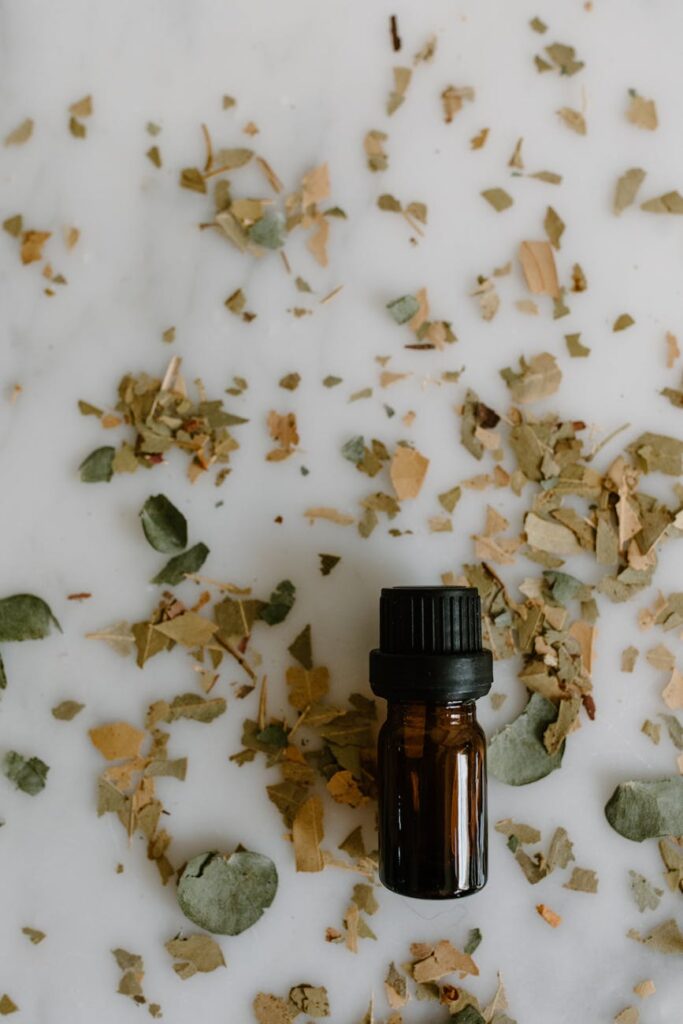
- Use Dark Glass Bottles: Essential oils should ideally be stored in dark glass containers to protect them from light exposure.
- Seal Tightly: Ensure the bottle is sealed tightly after use to prevent oxidation.
Aromatherapy Applications
In the realm of aromatherapy, eucalyptus oil is often associated with clarity and mental focus. It is believed to help alleviate feelings of stress and anxiety while promoting a sense of calmness. The invigorating aroma can also aid in clearing the mind, making it a popular choice for those seeking to enhance their productivity.
Blending Eucalyptus Oil
Eucalyptus oil blends well with other essential oils, allowing for a more customized aromatic experience. Some compatible oils include:
Safety Considerations
While eucalyptus oil offers many benefits, it is essential to use it safely. Here are some key precautions to keep in mind:
1. Dilution: Eucalyptus oil should always be diluted in a carrier oil before topical application to avoid skin irritation. A common dilution ratio is 2-3 drops of essential oil per teaspoon of carrier oil.
2. Allergic Reactions: Individuals with sensitive skin or allergies should conduct a patch test before using eucalyptus oil topically. Apply a small amount of diluted oil to a discreet area and wait 24 hours to check for adverse reactions.
3. Pregnancy and Breastfeeding: Pregnant or breastfeeding women should consult healthcare professionals before using eucalyptus oil, as its effects during these stages are not thoroughly studied.
4. Children: Eucalyptus oil is generally not recommended for children under the age of two. For older children, it should be used with caution and diluted appropriately.
5. Ingestion: Ingesting eucalyptus oil is not advised, as it can lead to toxicity. Always consult with a healthcare provider before considering internal use.
6. Pre-existing Conditions: Individuals with asthma or other respiratory conditions should use eucalyptus oil cautiously, as inhalation may potentially exacerbate symptoms.
Storage and Shelf Life
To maintain the quality and efficacy of eucalyptus oil, proper storage is essential. Here are some tips:
Typically, eucalyptus oil has a shelf life of 1 to 3 years when stored properly. However, it’s advisable to check for any changes in aroma or consistency before use, as these can indicate that the oil has gone bad.
Frequently Asked Questions
1. Can eucalyptus oil help with cold symptoms?
Eucalyptus oil is often used in aromatherapy to support respiratory health, but it should not be considered a cure for colds. Its invigorating scent may provide temporary relief from congestion.
2. Is eucalyptus oil safe for pets?
Eucalyptus oil can be toxic to pets, especially cats and dogs. It is advisable to keep eucalyptus oil and products containing it out of reach of pets.
3. Can I use eucalyptus oil in a bath?
Yes, eucalyptus oil can be added to a warm bath for relaxation and respiratory support. However, it should be diluted with a carrier oil or an emulsifier to avoid skin irritation.
4. How do I choose a quality eucalyptus oil?
Look for 100% pure essential oil from reputable brands. Check for certifications, such as organic or therapeutic-grade, and ensure that the oil is packaged in dark glass bottles.
5. What should I do if I experience irritation?
If you experience irritation or an allergic reaction after using eucalyptus oil, discontinue use immediately and consult a healthcare professional if necessary.
Conclusion
Eucalyptus oil is a versatile and beneficial essential oil with a variety of applications in aromatherapy, personal care, and household cleaning. While it offers several advantages, understanding its safety and proper usage is crucial to ensure a positive experience. By following the recommended precautions and storage tips, individuals can safely explore the potential benefits of eucalyptus oil in their daily lives. As with any essential oil, knowledge and caution are key to enjoying its properties responsibly.